
The calendar says Autumn, but your thermometer tells a different story. Welcome to 秋老虎 (qiū lǎo hǔ) - literally "Autumn Tiger" - one of China's most fascinating weather phenomena that catches both locals and expats off guard every year. Here is your ultimate Beat the Autumn Tiger: Your Complete Guide to China's Post-Summer Heat Wave. Unlike the predictable heat of summer, this meteorological beast strikes when you least expect it, turning what should be crisp autumn days into sweltering reminders that Mother Nature doesn't follow our calendar expectations.

Jump to:
- > In This Post: Everything You Need for the Hottest Stretch After Summer
- The End of Heat Connection: When Summer Heat Meets Autumn Dryness
- San Fu 2026 to Chushu 2026: The Exact Handoff
- ChuShu 2026 Date
- ChuShu Dates in 2025 to 2029
- Is Autumn Tiger the same as Indian Summer?
- Is There an Autumn Tiger in Vancouver (Canada)?
- Understanding Autumn Tiger's Unique Challenges
- The Traditional Chinese Medicine Approach
- One Week of Chushu Eating, Sunday to Saturday
- 6 Powerhouse Foods to Combat Autumn Heat and Dryness
- Stocking the Chushu Pantry in North America
- TCM Acupressure Points: Your Natural Air Conditioning System
- Beyond Food: Lifestyle Adjustments for Autumn Tiger Survival
- When to Expect Relief
- The Bigger Picture: Connecting Seasonal Eating
- Your Action Plan
- Master Your Autumn Tiger Toolkit
- Frequently Asked Questions (FAQs)
- San Fu Recipes That Carry You Into Chushu
> In This Post: Everything You Need for the Hottest Stretch After Summer
As the Chinese solar term calendar transitions from the Beginning of Autumn (立秋, Lìqiū) to the End of Heat (處暑, Chùshǔ), you can expect crisp mornings and cooler evenings. Yet many regions across China and East Asia still grapple with what locals call 秋老虎 (Qiū Lǎohǔ) - the "Autumn Tiger."
Understanding the Autumn Tiger connects you to thousands of years of Chinese wisdom on the seasons. Just as our complete guide to the San Fu period helps you navigate summer's peak heat, mastering autumn's unique challenges creates year-round wellness.
This phrase originally meant that if no rain fell on Li Qiu, the following 24 days would still swelter. Today, it describes the stubborn late-summer heat that lingers even as Autumn officially begins. Modern meteorologists have expanded this definition to encompass any prolonged hot spell that occurs during autumn months.
And it is no small matter. Think of it as summer's final tantrum - a last-ditch effort to maintain its grip before winter's inevitable arrival. This phenomenon typically strikes between late August and early October, with temperatures often soaring above 35°C (95°F) when people have already packed away their summer gear.
Traditional Chinese Medicine (TCM) often warns: "Autumn Tiger, as fierce as a tiger."
During Chu Shu, the weather remains hot and humid by day, but with wider temperature swings between morning and night. This seasonal shift carries one major health challenge: dryness (秋燥, Qiū zào). Think dry eyes, itchy skin, scratchy throats, or restless sleep.
Why does this happen? The Autumn Tiger phenomenon occurs when high-pressure systems stall over a region, creating clear skies and intense solar heating. Combined with the still-warm earth from months of summer heat, these conditions create a perfect storm of unexpected sweltering weather.
Combat Autumn Tiger dryness with moistening desserts like peach gum dessert soup, which combines tree resin, snow fungus, and lily bulbs to nourish yin and replenish internal fluids during this transitional period. Peach gum needs 8 hours of soaking. Start it Saturday night or you're eating Sunday's dessert on Monday.

The End of Heat Connection: When Summer Heat Meets Autumn Dryness
Chù Shǔ marks the 14th solar term in the traditional Chinese calendar. It
literally means "End of Heat." Ironically, this is often when the Autumn Tiger shows its fiercest claws.
Despite Chu Shu 處暑 signalling summer's official end, the period brings unique challenges. The character 'chù' means to terminate, but the body must adapt to not just lingering heat, but also increasing dryness. This combination creates what we call "Dryness" (燥, Zào) - a quality that affects everything from our skin to our digestive system.
The traditional saying "秋老虎,毒如虎" (The Autumn Tiger is as poisonous as a real tiger) captures this perfectly. This seemingly innocent weather pattern can be more challenging than San Fu Dog Days of Summer itself.
San Fu 2026 to Chushu 2026: The Exact Handoff
San Fu 2026 ran from July 15 to August 23, a 40-day stretch across First Fu, Middle Fu and Last Fu. Two folk markers apply this year. Entry fell on an even lunar date, making it 母伏, which tradition reads as a wetter, muggier season, and Liqiu on August 7 arrived before Last Fu began on August 14, giving you 秋包伏, autumn wrapping the final stretch.
Chushu begins on August 23 as well, the same day San Fu closes, and runs to September 6 when White Dew (白露, Báilù) takes over. There's no gap between them this year. Damp heat and dryness swap places inside a single morning.
That single day between them changes the whole strategy. On August 22 you're still clearing damp heat with mung bean and winter melon. On August 23 you're clearing heat and replacing fluids, because the humidity starts dropping while the thermometer refuses to.
Most people keep eating summer food for another three weeks and wonder why their throat hurts.
ChuShu 2026 Date
In 2026, Chǔshǔ falls on August 23, 2026 (Saturday).
- Start: August 23, 2026
- End: September 6, 2026
It comes right after the Beginning of Autumn and signals that while "Autumn Tigers" may still bring late heatwaves, the seasonal shift toward cooler days is underway.
Chǔshǔ almost always falls on August 23 each year, lasting until September 7, when the next solar term White Dew (白露, Báilù) begins.
ChuShu Dates in 2025 to 2029
| Year | Chushu Begins | Day | Chushu Ends | White Dew (白露) Begins | San Fu Ends |
|---|---|---|---|---|---|
| 2025 | August 23, 2025 | Saturday | September 6, 2025 | September 7, 2025 | August 18, 2025 |
| 2026 | August 23, 2026 | Sunday | September 6, 2026 | September 7, 2026 | August 23, 2026 (same day) |
| 2027 | August 23, 2027 | Monday | September 7, 2027 | September 8, 2027 | August 18, 2027 |
| 2028 | August 22, 2028 | Tuesday | September 6, 2028 | September 7, 2028 | August 22, 2028 (same day) |
| 2029 | August 23, 2029 | Thursday | September 6, 2029 | September 7, 2029 | August 17, 2029 |
Solar terms are calculated to Beijing time (UTC+8). Dates can shift by one day in North American time zones, which matters most in 2027, when White Dew falls just after midnight in Beijing. Chushu ends the day before White Dew begins.
2028 is the odd one out. Leap years pull the solar term back to August 22, same as 2020 and 2024 did. Everything else in this window lands on August 23. Chushu happens when the sun reaches 150° of ecliptic longitude, so the date drifts by a few hours each year and resets after each leap day.

Is Autumn Tiger the same as Indian Summer?
When the calendar tips past Li Qiu the Beginning of Autumn in East Asia, many expect a cool breeze. Instead, they often meet the Autumn Tiger. This term describes the oppressive wave of heat and humidity that claws back in August and September. It is not romanticized; it is endured.
In traditional Chinese culture, the Autumn Tiger is associated with wellness tips: eating cooling foods, balancing yin and yang, and protecting your health as summer refuses to let go.
Contrast this with the Western notion of Second Summer (Indian Summer). Found across North America and Europe, it appears much later in the season: from October to November, after the first frost. The weather is not heavy or suffocating but instead clear, dry, and golden. It is welcomed as a gentle reprieve, a last warm invitation before winter truly sets in.
The Difference Between Autumn Tiger vs Late-Season Warm Spell:
- Autumn Tiger - stifling, humid, survival-oriented heat in late summer/early Autumn.
- Second Summer - mild, sun-washed warmth in late Autumn, embraced with gratitude.
Those who follow Chinese seasonal food traditions see the Autumn Tiger as a call to action: it's the season for cooling soups, restorative teas, and nourishing recipes that help the body withstand lingering heat.
For those experiencing persistent internal heat during Autumn Tiger weather, our traditional bitter melon soup recipe provides powerful cooling relief while nourishing your body's transition into fall.
In contrast, Second Summer evokes a different mood entirely - one of outdoor feasts, harvest-inspired cooking, and nostalgic menus that revel in abundance.
Both terms describe nature's surprise return of warmth, yet their cultural tones diverge: Autumn Tiger urges caution and mindful eating, while Late-Season Warm Spell invites leisure, gratitude, and celebration.
秋老虎 (Autumn Tiger) vs Indian Summer - Quick Comparison
| Aspect | 秋老虎 (Qiū Lǎohǔ / Autumn Tiger) | Indian Summer |
|---|---|---|
| Origin | Chinese term used across East Asia (China, Taiwan, Hong Kong, Korea). | English term used in North America and parts of Europe. |
| Timing | Right after 立秋 (Beginning of Autumn) - usually Aug-Sept in the Gregorian calendar. | Later in autumn - typically after the first frost (Oct-Nov). |
| Weather | Hot and humid - a return of oppressive summer heat after a short cool-down. | Warm, dry, and sunny - an unseasonable reprieve after colder weather has begun. |
| Duration | Often 1-2 weeks; can be shorter or recur as brief heat waves. | Can last several days to a few weeks, but generally shorter lived. |
| Temperature Feel | Muggy, oppressive - generally uncomfortable rather than pleasant. | Mild and pleasant - often enjoyed as a bonus warm spell. |
| Cultural Meaning | Viewed as something harsh to endure; associated with health advice (cooling foods, rest). | Generally positive and nostalgic - often used in literature and lifestyle contexts. |
| Regions Mentioned | China, Taiwan, Hong Kong, Korea, some parts of Japan and nearby regions. | United States, Canada, UK, and other temperate parts of Europe. |
| Tone | Survival/endurance - people take dietary or wellness precautions (TCM suggestions). | Leisure/romantic - encourages outdoor enjoyment and nostalgic reflections. |

Is There an Autumn Tiger in Vancouver (Canada)?
While Vancouver doesn't experience the intense Autumn Tiger heat of China, we do get our own version of unexpected autumn heat waves - those gorgeous September days that hit 25°C+ when you've already packed away your summer clothes. The same traditional Chinese cooling foods and techniques work beautifully for our 'Indian Summer' weather too.
Vancouverites call this "Indian Summer" or "extended summer weather" rather than Autumn Tiger.
So how do you care for your body and appetite during this in-between season? Nutritionists and TCM experts recommend two approaches:
- Soften the "tiger's bite" with cooling, hydrating foods.
- Soothe the body's transitions with gentle acupressure rituals.
Understanding Autumn Tiger's Unique Challenges
The Heat-Dryness Combo
Unlike summer's humid heat, Autumn Tiger weather combines high temperatures with low humidity. This creates a deceptive environment where you feel hot but don't sweat as much, leading to faster dehydration and overheating.
Weakened Immunity
Your body has been adapting to cooler autumn weather, making the sudden temperature spike more taxing on your system. This thermal shock can lower immunity and increase susceptibility to illness.
Skin and Respiratory Issues
The dry heat particularly affects exposed skin and respiratory passages, causing symptoms like:
- Dry, itchy skin
- Chapped lips
- Dry eyes and throat
- Increased allergy sensitivity
The Traditional Chinese Medicine Approach
Cooling vs. Cold Foods
TCM distinguishes between "cooling" foods (which lower internal body heat) and "cold" foods (which can damage digestive fire). During Autumn Tiger, you need cooling foods that won't compromise digestion.
The Principle of Nourish Yin, Moisten Dryness 滋陰潤燥
This fundamental TCM concept guides Autumn eating. Foods should:
- Nourish Yin: Restore internal fluids and cooling energy
- Moisten Dryness: Combat the season's dry characteristics
- Support Metal Element: Strengthen lungs and large intestine (Autumn's associated organs)
- Chinese Papaya Dessert with Snow Fungus 木瓜雪耳糖水
- Double-Steamed Snow Pear with Fritillaria Bulb 川貝燉雪梨
- Chinese Apple Snow Pear Soup 蘋果雪梨無花果瘦肉湯
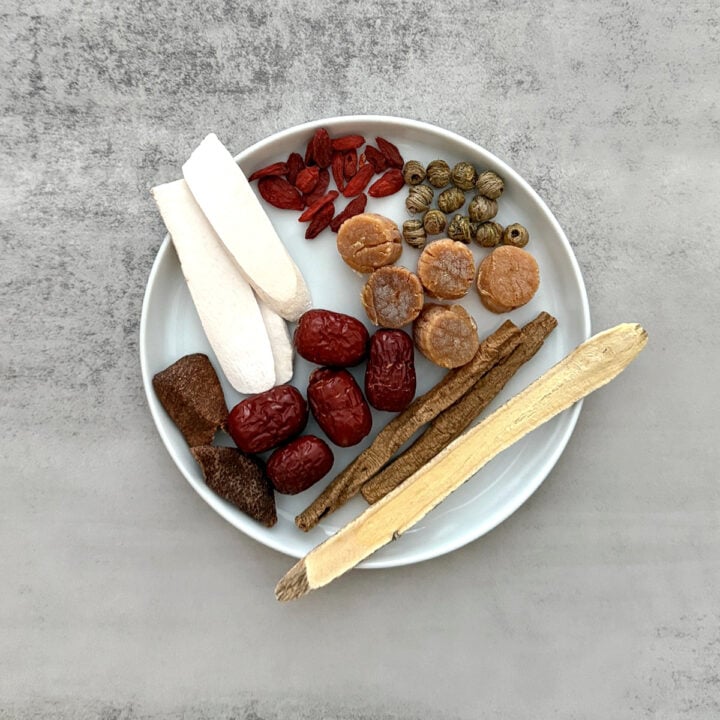
- Snow Nest Dessert Soup with Coconut Milk and Peach Gum (椰汁雪燕桃胶糖水)

One Week of Chushu Eating, Sunday to Saturday
Sunday is the pot day. Simmer bitter melon soup for 2.5 hours while the peach gum and snow nest soak, and you've handled both heat and dryness before the week starts.
Monday through Wednesday, reheat one bowl of soup at lunch and drink chilled dessert soup after dinner. Swap the chilled dessert for peach and snow fungus tong sui through late August while Okanagan peaches are still cheap. Thursday, switch to steamed Asian pear with rock sugar if your throat feels scratchy. Friday belongs to duck and winter melon, slow-cooked with three slices of ginger.
Saturday, eat light. Blanched okra with sesame oil, quick-fried bok choy, steamed young corn. Sunday, start again.
Two cooking sessions. Seven days covered.
6 Powerhouse Foods to Combat Autumn Heat and Dryness
Smart eating becomes your first line of defence against the Autumn Tiger. The following six ingredients work specifically with your body's needs during this transitional period:
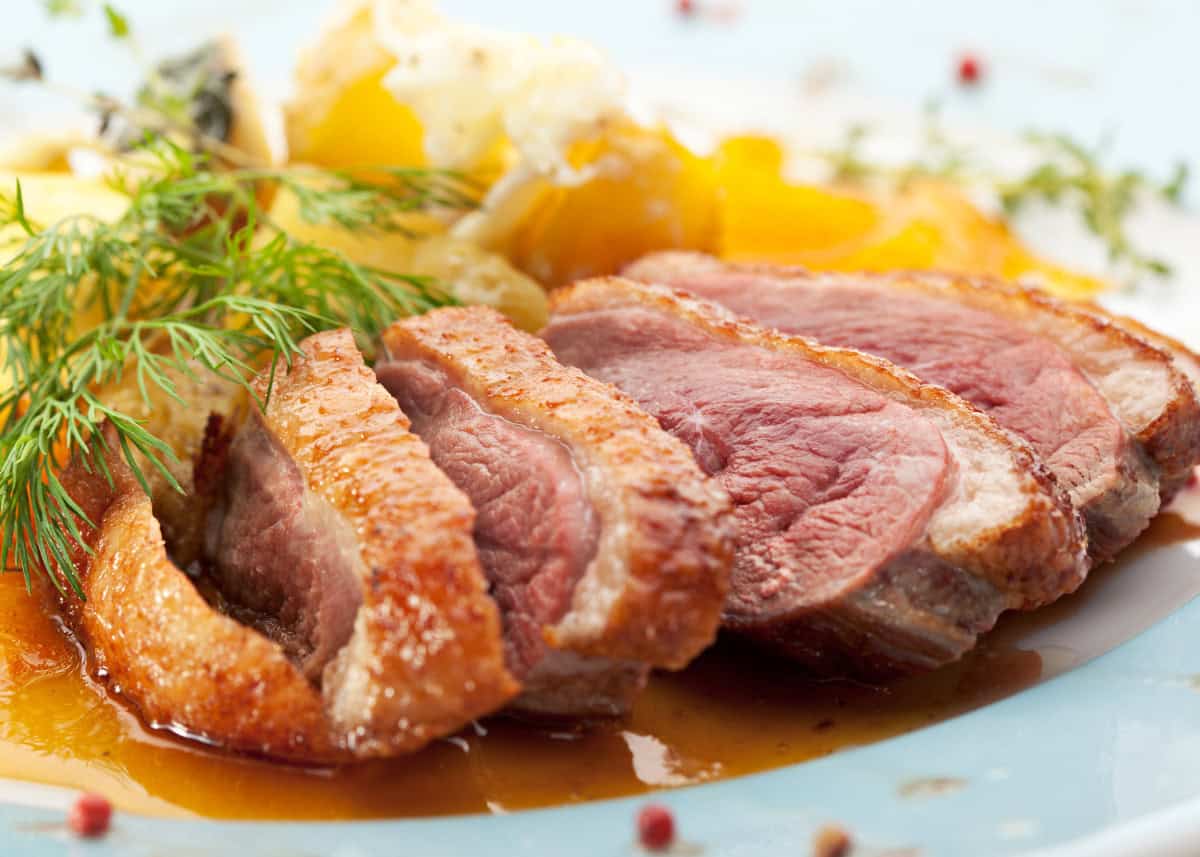
1. Duck Meat (鴨肉) - The Cool Protein
Duck's naturally cooling properties make it ideal for clearing internal heat while providing substantial nutrition. Unlike chicken or beef, duck helps regulate body temperature from within.
Try this: Slow-cook duck with winter melon and ginger for a perfect End of Heat meal that balances cooling and warming elements. For more cooling protein inspiration, explore our Chinese Apple Snow Pear Soup which combines cooling ingredients with nourishing protein.

2. Okra (秋葵) - The Endurance Booster
This mucilaginous vegetable strengthens kidney function and builds stamina while keeping calories low. Its slimy texture might seem off-putting, but it's exactly what your body needs to maintain moisture during dry autumn days.
Pro tip: Lightly blanch okra and toss with sesame oil and soy sauce for maximum nutrient retention. Create a complete healthy meal by serving with Stir Fry Okra Black Fungus for added fiber and nutrients.

3. Lotus Seeds (蓮子) - The Mind Calmer
Nearly every traditional "clear heat and calm spirit" recipe includes lotus seeds. They work synergistically with white fungus and lily bulbs to create what Chinese medicine refers to as "three treasures" for autumn wellness. For the ultimate Autumn Dryness Relief TCM Lotus Snow Fungus Dessert, this perfect combination of lotus seeds, snow fungus, and lily bulbs creates a seasonal wellness dessert that specifically targets autumn tiger's heat-dryness combination with gentle spirit-calming properties
A perfect combination: Simmer lotus seeds with tremella mushrooms and rock sugar for a dessert that doubles as medicine. See our Sweet Mung Bean Soup for another heart-calming seed recipe that incorporates lotus seeds for maximum cooling benefits

4. Asian Pears (水梨) - The Lung Moisturizer
The classic "rock sugar stewed pears" remedy exists for good reason - pears specifically target lung dryness that peaks during autumn tiger periods. Their natural moisture content and cooling properties make them Autumn's perfect fruit.
Upgrade idea: Add chrysanthemum flowers and goji berries to your pear soup for enhanced cooling effects. End your meal by serving with Chinese Apple Snow Pear Soup for added moisture and nutrients.
When peaches are still in season, stewed peach with snow fungus and red dates does the same lung-moistening work with warmer fruit, which suits anyone whose digestion finds pear too cooling.
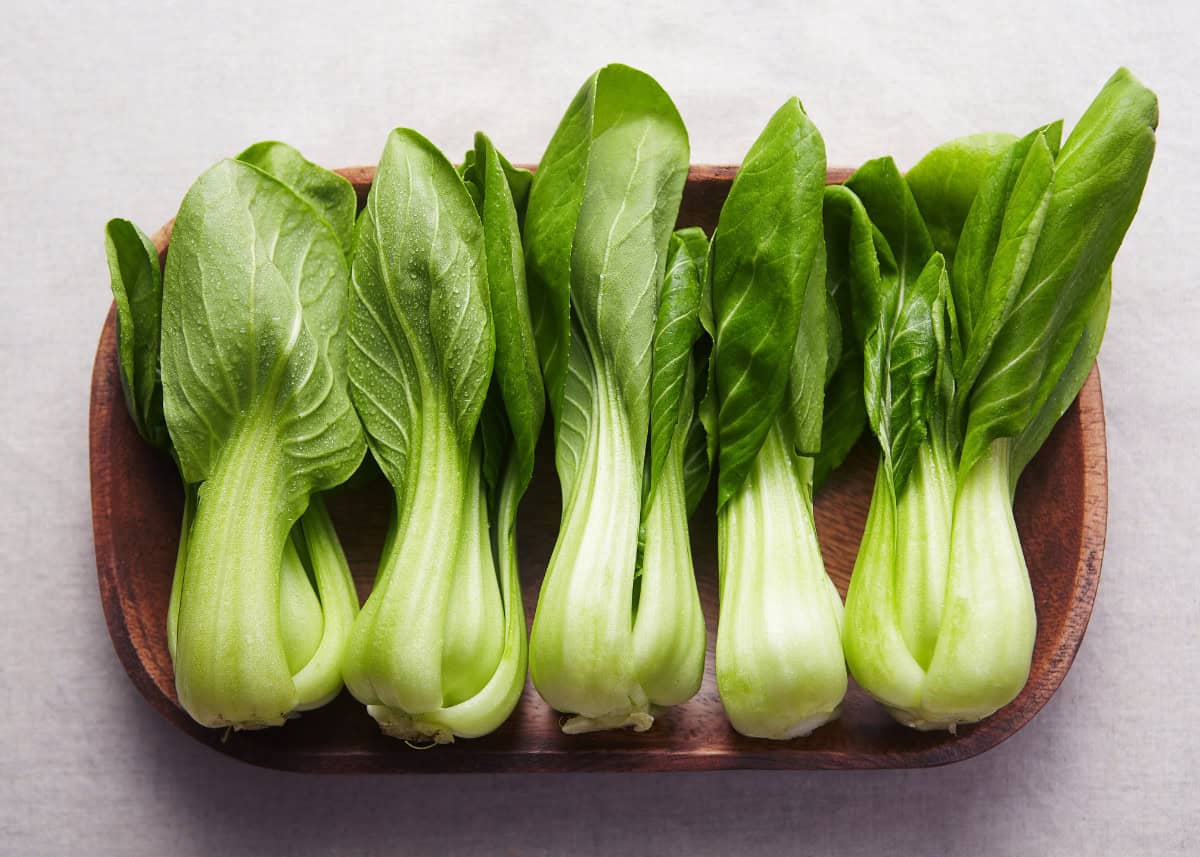
5. Baby Bok Choy (小白菜) - The Digestive Helper
Its slightly bitter, cooling nature helps regulate digestion while providing essential vitamins C, calcium, and iron. The slight bitterness actually signals your body to produce more digestive enzymes.
Cooking tip: Quick stir-fry with garlic preserves maximum nutrients while making it more digestible. Try this easy and delicious protein-rich Air Fryer Bean Curd Sheets with Baby Bok Choy Stir Fry.

6. Young Corn (嫩玉米) - The Fiber Champion
Fresh corn's high fibre content promotes healthy digestion, while its magnesium and calcium content help regulate blood pressure during temperature fluctuations. The natural sweetness satisfies cravings without adding refined sugars. Best preparation: Steam the whole ears and serve with a sprinkle of sea salt and a squeeze of lime juice.
Stocking the Chushu Pantry in North America
You don't need a herbalist. You need one Costco run and one Asian grocery run, and you're set for the whole Chushu stretch.
Costco for the bulk basics. Duck is seasonal, so check the freezer case in late August. I buy frozen whole ducks and the big bags of frozen okra there because the quality and price are consistent, and one duck stretches across two soups for a family of four. Their Asian pears come in flats, which sounds excessive until you're stewing two a day for dry throats.
T&T Supermarket for the TCM aisle. Dried lotus seeds, snow fungus, lily bulbs, rock sugar, peach gum and snow nest all live in the dried goods section. Suancai sits in the refrigerated pickles. Bitter melon is in produce from June through September, cheapest in August.
Skip the Amazon markup on wet ingredients. Fresh bitter melon, bok choy and corn cost a fraction in person. Dried resins and herbs are the only things worth ordering online, and only when your store runs out.
The bulk-cooking math. One 3-hour pot of bitter melon soup feeds four, then reheats for four weekday lunches. Roughly $18 in ingredients works out to about $2.25 a serving, which beats the sad grocery-store salad bar by a wide margin. Freeze dessert soup base in 1-cup portions and you've got a week of chilled tonics for under $3 a bowl.
Cook Sunday. Coast until Thursday.
Complete Your Autumn Tiger Defense
While these six powerhouse foods provide excellent daily nutrition, consider creating a dedicated Autumn Dryness Relief TCM Lotus Snow Fungus Dessert that combines lotus seeds, lily bulbs, and snow fungus into one therapeutic Autumn dryness relief dessert. This TCM lotus snow fungus dessert serves as both dessert and medicine, perfectly embodying the "nourish Yin, moisten dryness" principle essential during autumn tiger periods.

TCM Acupressure Points: Your Natural Air Conditioning System
Beyond diet, TCM practitioners recommend small self-care habits to guard against Autumn dryness, such as using specific techniques for managing Autumn Tiger symptoms through acupressure.
The Da Zhui Point Technique
Located at the base of your neck where it meets your shoulders, this point acts like a natural thermostat. Tap or massage the Dazhui (大椎, Dàzhuī) acupoint 50-100 times daily. This stimulates circulation and helps regulate body temperature, while relieving symptoms such as dry eyes and itchy skin irritation.
Additional Pressure Points for Autumn Relief:
- Yintang (印堂, Yìntáng) - Located between eyebrows: Press gently for 30 seconds to relieve heat-related headaches
- Hegu (合谷, HéGŭ) - Located web between thumb and index finger: Massage in circles to boost overall immunity
- Sanyinjiao (三阴交, Sānyīnjiāo) - Located in the inner ankle: Apply steady pressure to balance hormones affected by temperature changes
Beyond Food: Lifestyle Adjustments for Autumn Tiger Survival
Timing Is Everything
- Exercise early: Before 7 AM or after 7 PM when temperatures drop
- Hydrate strategically: Room temperature water with a pinch of sea salt. Avoid ice-cold drinks. Warm teas with chrysanthemum, goji berries, or pear skin are both refreshing and lung-moistening.
- Sleep optimization: As days shorten, prioritize regular sleep to reset the body's natural rhythm. Use breathable cotton sheets and keep the bedroom temperature around 22°C.
Skin and Eye Care
The dryness component of Autumn Tiger weather wreaks havoc on exposed skin and eyes. Combat this with:
- Natural moisturizing: Apply sesame oil to slightly damp skin
- Eye relief: Cold cucumber slices or chilled green tea bags
- Indoor humidity: Keep levels between 40-60% using a humidifier
When to Expect Relief
Historically, Autumn Tiger periods last 15-30 days, typically ending when the first significant cold front arrives. Weather patterns suggest this year's Autumn Tiger may persist through mid-September, making preparation crucial.
Signs the Tiger is retreating:
- Morning temperatures drop below 20°C consistently
- Humidity levels increase noticeably
- Wind patterns shift from hot, dry air to cooler breezes
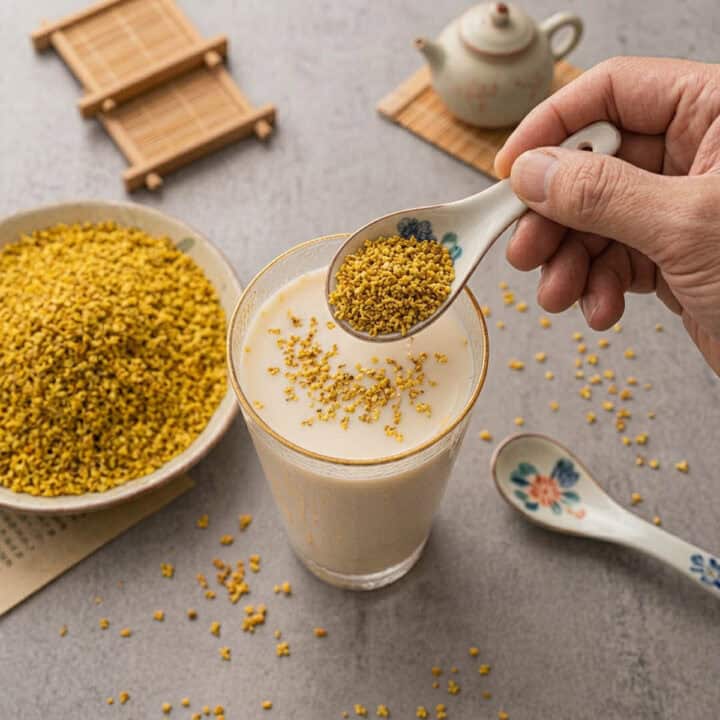
When those signs show up, your drinks should change with them. Cooling teas give way to warming, moistening cups like osmanthus honey milk, which suits the cold nights after White Dew.

The Bigger Picture: Connecting Seasonal Eating
Understanding the Autumn Tiger deepens appreciation for traditional Chinese seasonal eating wisdom. Just as our San Fu period guide helped you navigate summer's peak heat, mastering Autumn's unique challenges creates year-round wellness. San Fu emphasizes cooling and restorative recipes, while Chu Shu carries that momentum forward, adjusting for dryness in addition to heat.
The foods and techniques that work against Autumn Tiger heat differ subtly but importantly from summer strategies - they must address both heat AND dryness simultaneously, preparing your body for winter while dealing with present challenges.
Your Action Plan
- Stock your kitchen with the six recommended ingredients this week
- Practice the Da Zhui tapping technique daily, especially during temperature peaks
- Prepare cooling soups in advance and store in portions
- Monitor local weather patterns to anticipate the most intense days
- Adjust your schedule to minimize outdoor exposure during peak heat hours
The Autumn Tiger may be fierce, but armed with traditional wisdom and practical strategies, you can not only survive but thrive during this challenging weather phenomenon. Remember: this too shall pass. The rewards of a properly navigated autumn transition include better immunity, improved digestion, and enhanced energy for the cooler months ahead.
As autumn transitions into winter, kidney yang becomes the next priority. The Dongzhi Winter Solstice foods guide covers what to eat once the cold settles in for good.
Master Your Autumn Tiger Toolkit
Transform these traditional principles into daily practice with our comprehensive recipe collection. Start with gentle cooling soups like our Nourishing Squab Soup or Chinese Spring Soup with Carrots and Yam that provide sustained nutrition without generating internal heat. For targeted relief, our Vegan Chinese Papaya Soup offers plant-based cooling power perfect for the heat-sensitive.
Frequently Asked Questions (FAQs)
Autumn Tiger (秋老虎) is a Chinese weather phenomenon where intense heat persists for 15-30 days after the Beginning of Autumn (立秋). It typically occurs from late August through early October when temperatures can reach 35°C+ (95°F+) despite the calendar showing autumn. The traditional folk wisdom states that if no rain falls on the Beginning of Autumn day, the following 24 days will remain extremely hot.
Autumn Tiger heat waves typically last 15-30 days, though some can extend up to 40 days in extreme cases. The phenomenon usually begins around late August and can persist through early October. Weather patterns suggest it ends when the first significant cold front arrives, bringing morning temperatures consistently below 20°C (68°F).
The best Autumn Tiger foods include cooling proteins (duck meat), mucilaginous vegetables (okra), heart-calming seeds (lotus seeds), lung-moistening fruits (Asian pears), bitter-sweet vegetables (baby bok choy), and high-fiber grains (young corn). These six categories specifically address the heat-dryness combination that makes Autumn Tiger weather challenging. Focus on foods that "nourish Yin and moisten dryness" (滋陰潤燥).
The most effective TCM dessert combines lotus seeds, lily bulbs, and snow fungus - the "three treasures" for autumn wellness. Our Autumn Dryness Relief TCM Lotus Snow Fungus Dessert specifically targets autumn tiger's heat-dryness combination, following the "nourish Yin, moisten dryness" principle while gently restoring internal moisture without shocking the digestive system.
Yes, most traditional Chinese cooling ingredients are available online through Amazon, Asian grocery stores and Chinese herb suppliers. Essential items include dried lotus seeds, snow fungus (tremella), rock sugar, lily bulbs, and dried longan. Fresh ingredients like duck meat, okra, Asian pears, and baby bok choy are available at local Asian markets or can be ordered through grocery delivery services.
The most effective pressure point is Da Zhui (大椎), located where your neck meets your shoulders. Gently tap this area 50-100 times daily to regulate body temperature and relieve dry eyes and itchy skin. Other helpful points include Yintang (between eyebrows) for heat headaches, Hegu (web between thumb and index finger) for circulation, and Sanyinjiao (inner ankle) for hormone balance during temperature fluctuations.
Autumn Tiger combines high temperatures with low humidity, creating deceptive conditions where you feel hot but don't sweat as much, which can lead to faster dehydration. Unlike summer's humid heat, Autumn Tiger's dry heat specifically affects skin, eyes, and respiratory passages. Your body has also begun adapting to cooler autumn weather, making the sudden temperature spike more taxing on your immune system than expected summer heat.
Duck meat should be slow-cooked or braised to maximize its cooling properties. The best preparation is duck soup with winter melon and ginger, simmered for 1-2 hours. Remove the skin to reduce heat-generating fats, and pair with cooling vegetables like lotus root or snow fungus. Avoid roasting or frying duck during Autumn Tiger periods, as these cooking methods add heat rather than provide cooling relief.
Common Autumn Tiger symptoms include persistent dry cough, throat irritation, dry and itchy skin, chapped lips, dry eyes, increased allergy sensitivity, difficulty sleeping in heat, and faster dehydration than expected. More serious signs requiring medical attention include symptoms of heat exhaustion, severe dehydration, persistent insomnia, or any concerning health changes during extreme heat periods.
Exercise before 7 AM or after 7 PM when temperatures drop significantly. Morning workouts are preferable as the air is cooler and humidity is higher from overnight dew. Avoid outdoor activities between 10 AM and 6 PM when heat peaks. Focus on indoor activities, swimming, or shaded areas during peak hours. Always hydrate with room-temperature water containing a pinch of sea salt to replace minerals lost through sweating.
Yes, most traditional cooling soups and remedies can be prepared in advance. Lotus seed soups, pear desserts, and herbal broths keep well refrigerated for 3-4 days or frozen for up to 3 months. Prepare cooling ingredients like soaked snow fungus, pre-cut Asian pears, and herbal tea blends ahead of heat waves. Having ready-made cooling meals reduces kitchen heat during peak Autumn Tiger periods and ensures you maintain proper nutrition when appetite decreases.
San Fu Recipes That Carry You Into Chushu
While Autumn Tiger heat requires specific food strategies, the cooling principles overlap beautifully with traditional San Fu (Dog Days of Summer) recipes. The following time-tested Chinese cooling soups perfect for both San Fu and Autumn Tiger periods, including recipes that "clear summer heat and relieve thirst" using traditional medicinal food therapy. These heritage recipes help bridge the gap between summer's humid heat and autumn's dry heat, offering natural temperature regulation when you need it most.
- Ching Bo Leung Herbal Soup 四季清補涼瘦肉湯 - All-season cooling broth that translates to "refreshing and cooling" - perfect for removing dampness and boosting digestion.
- Chinese Winter Melon Soup 冬瓜湯 - Classic Yin food with cooling effects specifically designed to "clear summer heat and relieve thirst" during the hottest days.
- Sweet Mung Bean Soup 綠豆沙 - Traditional dessert soup that "cools away heat, detoxes the liver, and relieves summer heat" - ideal served chilled during heat wave.
- Si Shen Tang Herbal Soup 四神湯 - Adaptogenic soup that "lowers blood sugar, reduces edema, and boosts Qi" while supporting adrenal health during heat stress.
- Chinese Apple Sea Coconut Soup 雪梨蘋果海底椰湯 - Moisturizing soup with sea coconut that "clears heat, dryness, cough and phlegm" - perfect for autumn's dry heat challenges.
- Tiger Milk Mushroom Lung Soup 虎乳靈芝潤肺湯 - Yin-nourishing, lung-moisturizing powerhouse for persistent dry coughs from heat and dryness.
These recipes create the perfect foundation for year-round cooling cuisine, helping you transition smoothly from San Fu summer heat into Autumn Tiger's unique challenges.
I'd love to see how you went with my recipes! Leave a comment below or tag me on Instagram @INSTANOMSS #INSTANOMSS.
Pin the above image to your Chinese Medicinal Food Therapy TCM Recipe Pinterest Board to bookmark this page. We are so excited to share our recipes with you!
More Chinese Recipes
Chinese Steamed Chicken With Shiitake Mushroom 冬菇蒸雞
Air Fryer BBQ Pork Char Siu 氣炸鍋蜜汁叉燒
Red Bean Soup (Instant Pot) 蓮子百合紅豆沙




Comment Below