
Start of Winter (立冬, Lìdōng): TCM Food Guide for Early Winter
Start of Winter (Lidong 立冬) arrives on Saturday, November 7, 2026. In Vancouver the exact moment is 2:52 a.m., so you'll sleep through it. Classical Chinese medicine would call that the correct response.
Start of Winter (立冬, Lìdōng) is the nineteenth solar term and the first of winter's six. It's the day many Chinese kitchens traditionally turn from moistening autumn food toward warming, storing food, a custom called 補冬 (bǔ dōng). This guide covers the 2026 date in Beijing and Pacific time, the regional customs, and how to ease into winter eating without reaching for the heaviest pot first.

> In This Post: Everything You'll Need for Start of Winter 立冬
You'll get the 2026 date, a table running to 2030, and the two years when Vancouver and the Chinese calendar disagree. We'll cover what Lidong means in TCM theory and the three traditional styles of tonic food.
There's a customs section, a short list of early-winter foods, a black bean tea for tonight, and sourcing notes for T&T and Costco.
What Is Start of Winter 立冬?
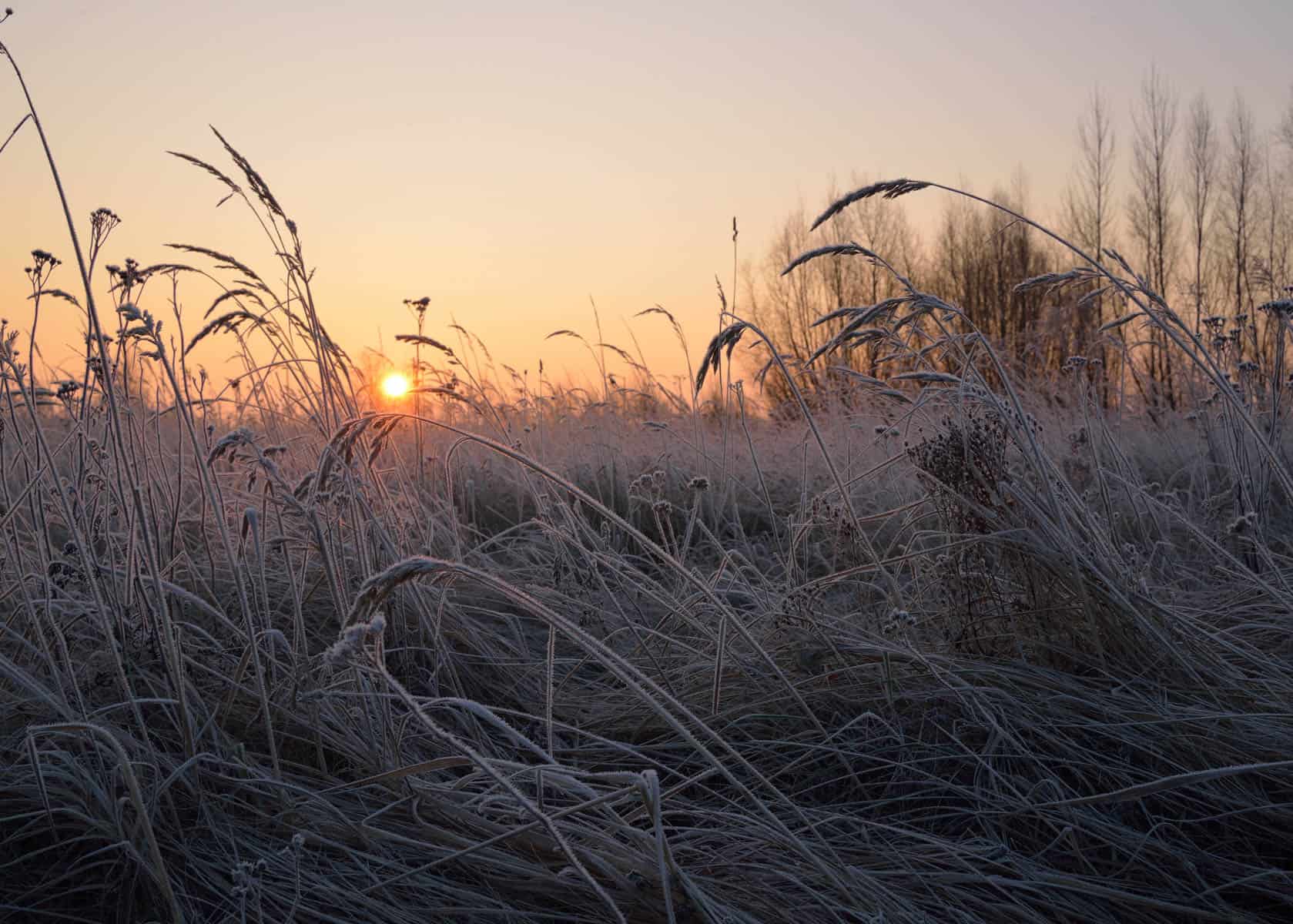
Start of Winter, or Lidong, begins when the sun reaches 225° of celestial longitude. It runs about fifteen days, ending at Minor Snow (小雪) on November 22, 2026.
The 月令七十二候集解 glosses both characters. 立 is 建始, to establish a beginning, and 冬 is 終, an ending, the point where 萬物收藏: everything is gathered in and stored.
Classical texts divide the term into three pentads: water begins to ice (水始冰), the ground begins to freeze (地始凍), and pheasants enter the great water and become clams (雉入大水為蜃). That last one is ancient natural history at its most confident. The birds vanished, large clams turned up on the shore, and somebody connected the dots.
Lidong is also one of the 四立, the four season-openers. In imperial times the emperor led his officials to the northern outskirts of the capital to welcome winter in person. Its spring counterpart is Lichun (立春) in early February, and my Start of Spring guide covers what changes in the kitchen when the year turns again.
When Is Start of Winter? Dates Through 2030
Start of Winter (Lidong) 2026 falls on Saturday, November 7, at 17:52 Beijing time. That converts to 02:52 Pacific the same day, so Vancouver and Beijing agree this year.
| Year | Beijing date and time | Vancouver (Pacific Time) | Same date? |
|---|---|---|---|
| 2026 | Nov 7, 17:52 | Nov 7, 02:52 | Yes |
| 2027 | Nov 7, 23:38 | Nov 7, 08:38 | Yes |
| 2028 | Nov 7, 05:27 | Nov 6, 14:27 | No |
| 2029 | Nov 7, 11:16 | Nov 6, 20:16 | No |
| 2030 | Nov 7, 17:08 | Nov 7, 02:08 | Yes |
Beijing times are astronomical, rounded to the minute. Vancouver times use UTC-7, because British Columbia stopped changing its clocks in 2026 and the gap to Beijing is now a fixed fifteen hours.
Readers in Washington, Oregon and California still fall back, so subtract one more hour from the Vancouver column. In 2028 and 2029 every printed calendar will say November 7, but on this coast Lidong arrives on November 6.
Why Start of Winter Matters in TCM
In five-element theory, winter belongs to Water and to the Kidney, which TCM regards as the body's storehouse. The season's verb is 藏 (cáng), to store. Spring sprouts, summer grows, autumn harvests, winter keeps.
The Huangdi Neijing describes the three months of winter as 閉藏, closed and stored, and advises 早臥晚起,必待日光: early to bed, late to rise, wait for the sunlight. With the clocks no longer falling back, a Vancouver sunrise now lands after 8 a.m. in November. The province has, entirely by accident, endorsed the classics.
What separates Start of Winter (Lidong) from the Winter Solstice is intensity. Autumn dryness hasn't fully left, the deep cold hasn't arrived, and tradition holds that a body can't absorb heavy tonics it isn't ready for, a principle called 虛不受補. Lidong is the on-ramp, and the Dongzhi Winter Solstice guide covers the deep end.
These are traditional frameworks for seasonal eating. They aren't medical findings, and they don't replace advice from your own practitioner.

Start of Winter Customs Worth Knowing
None of these is universal. China is large, and Start of Winter, or Lidong, looks different depending on whose kitchen you're standing in.
Northern China eats dumplings. The usual explanation is a pun: 餃 (jiǎo) sounds like 交 (jiāo), the handover from autumn to winter. Folk belief adds that ear-shaped dumplings keep your ears from freezing, which is charming and unproven.
Fujian and Taiwan 補冬. The saying is 立冬補冬,補嘴空, roughly "tonify at Start of Winter, fill the empty mouth." Ginger duck (薑母鴨), lamb hot pot (羊肉爐) and sesame oil chicken (麻油雞) are the classic pots.
Chaoshan eats sugarcane. The folk line 立冬食蔗齒不痛 promises that sugarcane on Lidong spares you toothaches for the year. Dentists have not co-signed.
Shaoxing starts brewing. Lidong traditionally opens the winter brewing season (冬釀) for the city's yellow rice wine, when cold weather suits a slow ferment.
Cantonese kitchens change the soup pot. No single dish owns the day. Longer-simmered soups return, lamb brisket claypot (羊腩煲) reappears on restaurant menus, and the big family meal waits for Dongzhi, which the Cantonese saying ranks above New Year: 冬大過年.
補冬 Nourish For Winter Without Overdoing It: Three Styles of Tonic
At Start of Winter (Lidong), 補冬 doesn't mean one heavy pot for everyone. Chinese food therapy traditionally sorts tonic food into three styles, matched to the person as much as the season.
| Style | Chinese | Traditional idea | Where to start |
|---|---|---|---|
| Neutral tonic | 平補 (píng bǔ) | Gentle, suits most people, the sensible first step | Chinese Herbal Silkie Chicken Soup 淮山紅棗杞子竹絲雞湯 or Si Shen Tang 四神湯 |
| Warming tonic | 溫補 (wēn bǔ) | For people who traditionally "run cold": lamb, ginger, 當歸 | Lamb and ginger soups, covered in the Dongzhi Winter Solstice guide |
| Clear tonic | 清補 (qīng bǔ) | Lighter, for people who run warm or find rich food heavy | Ching Bo Leung 清補涼 |
Start in the neutral row. Chinese health writing often describes an introductory stage called 引補 (yǐn bǔ), a lead-in tonic that lets digestion adjust before anything richer goes in the pot.
Move toward warming food as the weather earns it. The Si Shen Tang post includes a winter variation with 當歸 and 黨參 for exactly that step.
Foods Traditionally Eaten in Early Winter
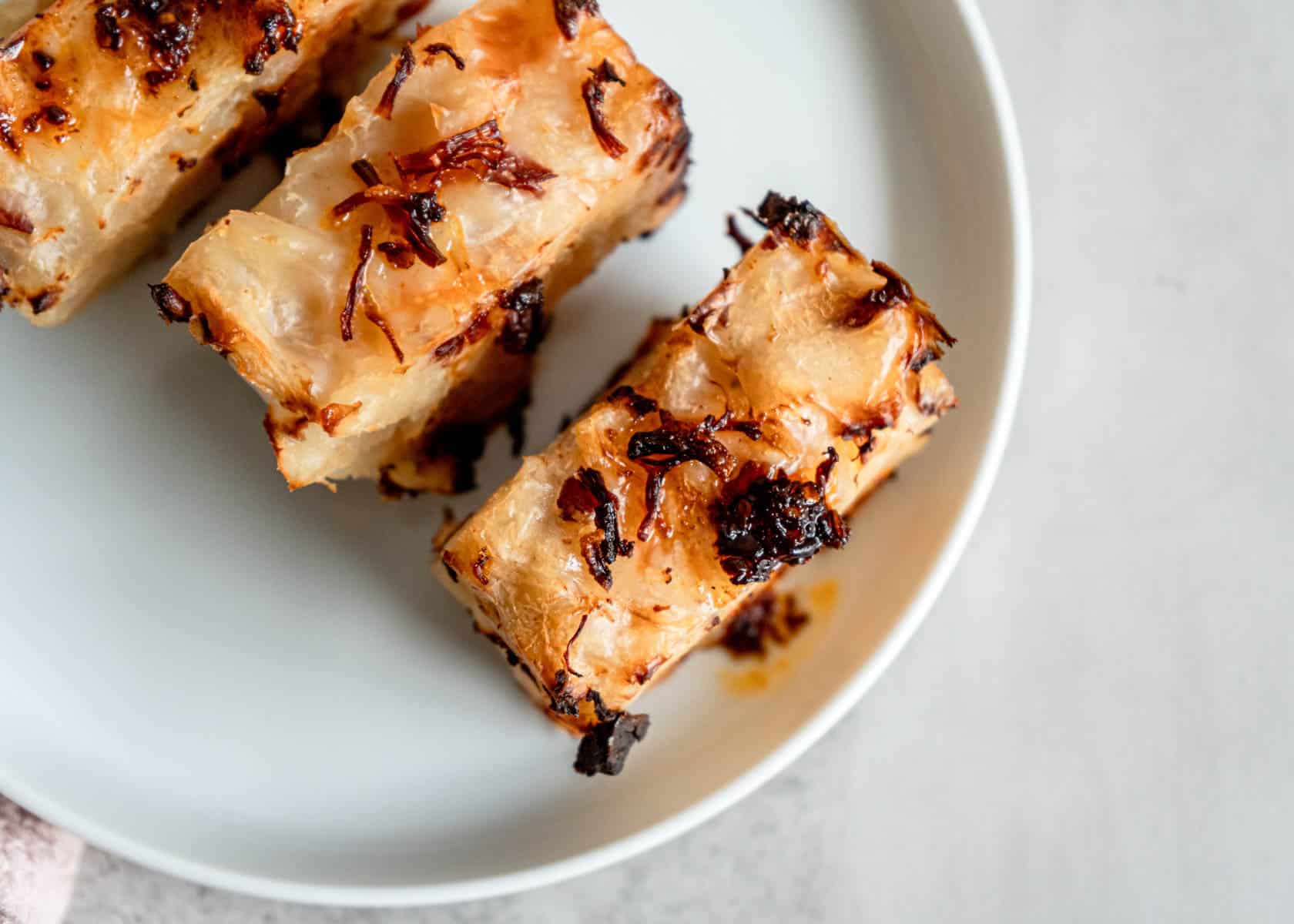
Daikon (白蘿蔔). The proverb is 冬吃蘿蔔夏吃薑, radish in winter and ginger in summer. TCM classes daikon as cool, and cooks traditionally pair it with rich meat so the pot doesn't sit heavy, which is the logic behind Cantonese braised beef brisket and tendon with daikon 柱侯蘿蔔炆牛筋腩. Lo Bak Go 蘿蔔糕 is one of my favourite dim sum picks. Even this 15-minute Easy Daikon Tofu Miso Soup is particularly satisfying!
Lamb (羊肉). Classed as warm, and the centre of one of the oldest winter recipes on record: 當歸生薑羊肉湯, a three-ingredient lamb soup from the Han dynasty text 金匱要略.
Black beans and black sesame (黑豆、黑芝麻). Five-element theory pairs the Kidney with the colour black, so winter tables fill with both. Note that 黑豆 are black soybeans, not the black turtle beans in a burrito. Black Sesame Tang Yuan Recipe 黑芝麻湯圓 is like a warm juicy hug in a bowl!
Chestnuts (栗子). In season now and long nicknamed 腎之果, the Kidney's fruit. Sweet and warm in TCM classification, they go into braises, rice and soup.
Chinese yam (淮山). Sweet and neutral, the backbone of 平補. Fresh yam turns silky in soup, while dried slices hold their shape.
Red dates, goji and longan. The sweet trio of the Chinese pantry, and the fastest route to something warm in a mug. Red Date Longan Goji Tea 紅棗桂圓杞子茶 takes almost no effort.
What to Ease Off
Cold drinks and raw salads move down the rotation. This is a traditional preference for warm, cooked food in cold months, and November makes it an easy sell.
Don't jump to strong tonic herbs because the calendar says winter. Ginseng, Angelica sinensis 當歸 and their relatives are warming, and too much too soon is the classic nourishment mistake.
A classical maxim for the season is 省鹹增苦: go lighter on salt and add a little bitter. If you're pregnant, taking blood thinners or managing a health condition, check with a registered TCM practitioner or your pharmacist before adding herbs to the pot.
A Simple Black Bean, Red Date and Ginger Tea 黑豆紅棗薑茶
This is neutral-balanced nourishment 平補 in a mug: neutral black beans, sweet dates, and enough ginger to notice.
Dry-toast 40g black soybeans in a pan over medium-low heat for 8 to 10 minutes, until the skins split and they smell nutty. Simmer them with 6 pitted red dates and 3 slices of fresh ginger in 1 litre of water for 25 minutes.
Drink it warm and eat the beans if you like them. Skip the sugar, since the dates carry it.
Where to Buy These Ingredients in Canada
T&T covers most of the list in one trip. Black soybeans, red dates, goji, dried Chinese yam and chestnuts sit in the dried goods aisles, and green-kernel black soybeans (青仁黑豆) are the usual pick for tea.
Costco is where I buy lamb shoulder, because one pack covers two pots of soup. Ginger is worth picking up there too if you're simmering something most days.
For Angelica sinensis (當歸), astragalus (北芪) and codonopsis (黨參), a Chinese herbal shop (藥材舖) is cheaper by weight than small supermarket packets, and staff will portion a soup bundle if you ask. Outside Canada, look to Asian supermarkets, Chinese herbal shops and reputable online retailers.
Start of Winter Frequently Asked Questions (FAQs)
Start of Winter raises the same handful of questions every November, mostly about dates, dumplings and whether it's the same thing as the Winter Solstice. Here are the short answers, with the regional differences left in where they matter.
Start of Winter (Lidong) falls on Saturday, November 7, 2026, at 17:52 Beijing time, which is 02:52 Pacific the same day. The term runs until Minor Snow on November 22.
立 means to establish or begin, and 冬 means winter, with the older sense of an ending, when the harvest is stored. Together: the start of winter.
No. Lidong is the nineteenth solar term and opens winter. The Winter Solstice (冬至, Dōngzhì) is the twenty-second, about six weeks later.
It depends on the region. Dumplings in northern China, ginger duck and lamb hot pot in Fujian and Taiwan, sugarcane in Chaoshan, and warming soups in most Cantonese homes.
Literally "tonifying for winter." It's the custom of eating nourishing, warming food at Lidong after a year of work, ahead of the cold months.
On the calendar, yes. On the ground it varies: much of Canada has felt like winter for weeks by November 7, while Vancouver is mostly just wet.
Not according to tradition. Warming tonics are meant for people who run cold, and the neutral or clear styles suit those who run warm.
No. Daikon, ginger, black beans, chestnuts and a plate of dumplings all count, and none requires a herbalist.
No. It's a seasonal marker on the agricultural calendar, though it was a court occasion in imperial China.
What Comes After Start of Winter
Start of Winter (Lidong) hands over to Minor Snow (小雪) on November 22, 2026, and Major Snow (大雪) follows in early December. The warming row of the tonic table starts earning its place around then.
Dongzhi follows on December 22, when lamb, black sesame and tangyuan take over. The Dongzhi Winter Solstice guide picks up where this one stops.
If autumn dryness is still hanging around your house, the White Dew guide covers the moistening foods that carry into early winter. Add ginger and keep them warm.
Other Start of Winter Recipes To Try
These Start of Winter recipes all suit the same fifteen-day window, from November 7 through to Minor Snow on November 22. Pick by how rich a pot you're ready for, not by which one photographs best.
- Chinese Herbal Silkie Chicken Soup 淮山紅棗杞子竹絲雞湯 for a neutral first pot of the season, built on Chinese yam, red dates and goji
- Si Shen Tang 四神湯 for a gentle four-herb soup, with a winter variation in the post for when the cold settles in
- Chinese Braised Beef Brisket and Tendon 柱侯蘿蔔炆牛筋腩 for the 冬吃蘿蔔 proverb in practice, with daikon keeping a rich braise from sitting heavy
- Ching Bo Leung 清補涼 for a lighter clear tonic if you run warm or the weather hasn't turned yet
- Red Date Longan Goji Tea 紅棗桂圓杞子茶 for a warm mug on the days a two-hour soup isn't happening
For more traditional Chinese medicine recipes and health tips, subscribe to our newsletter and never miss a post!
I'd love to see how you went with my recipes! Leave a comment below or tag me on Instagram @INSTANOMSS #INSTANOMSS.
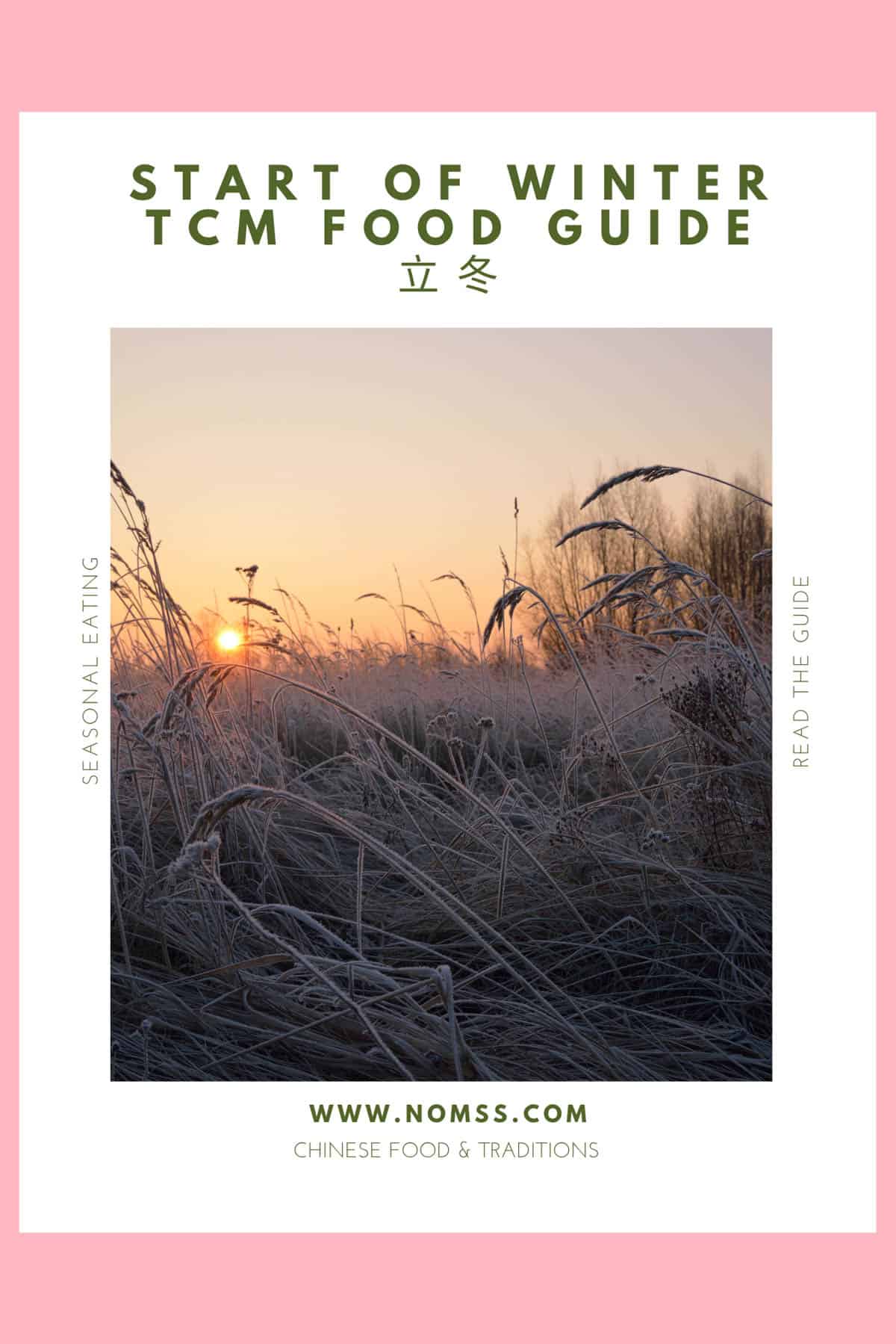
Pin the above image to your Chinese Medicinal Food Therapy TCM Recipe Pinterest Board to bookmark this page. We are so excited to share our recipes with you!





Comment Below