
Spring Dampness After Jingzhe 驚蟄: Complete Guide to TCM Foods and Recipes
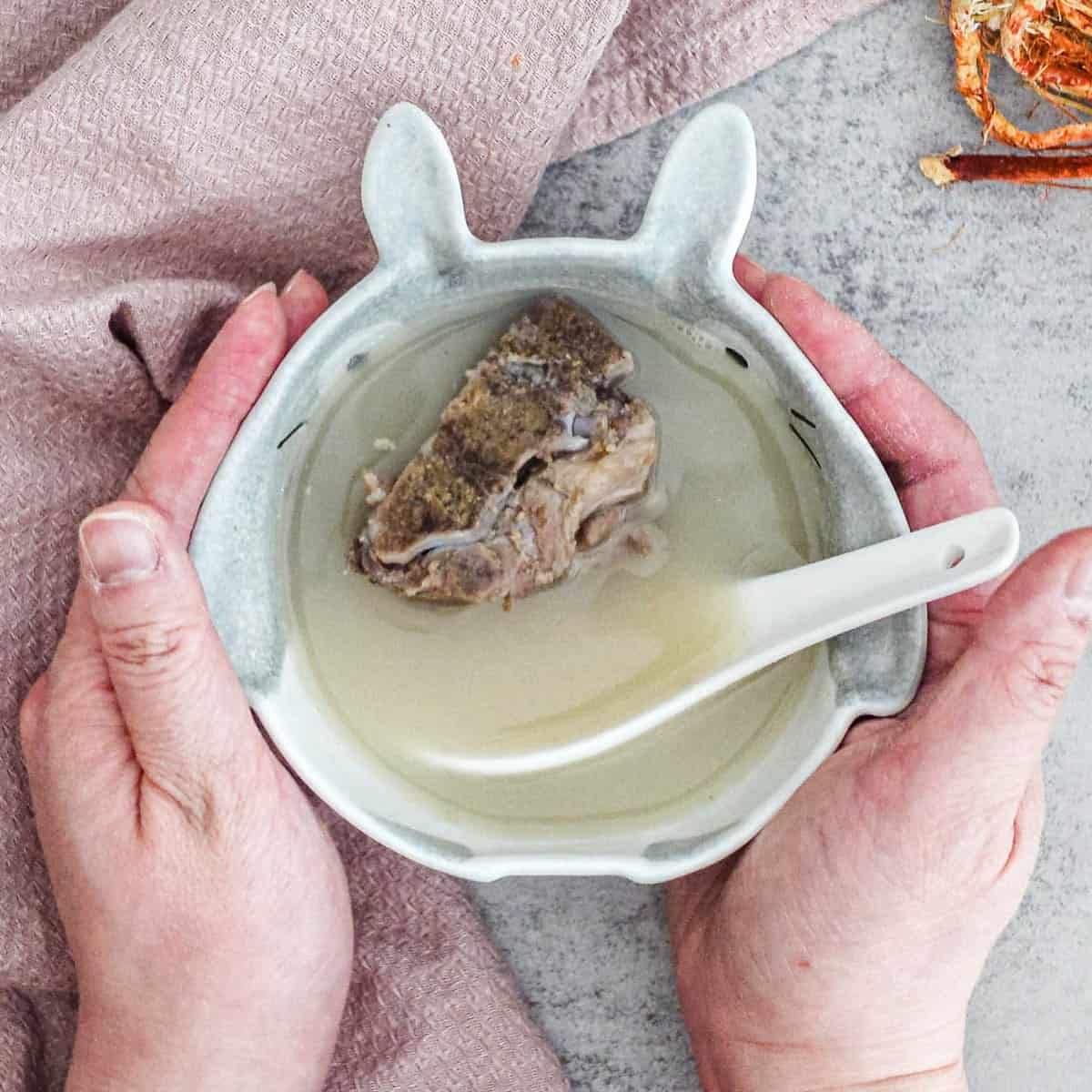
Cherry blossoms aren't the only thing that arrives in spring. After Jingzhe (驚蟄), the third solar term of the Chinese calendar, moisture creeps into the ground, the air, and, according to Traditional Chinese Medicine, your body too. The rain picks up. The air thickens. Your spleen quietly starts to struggle. If you're looking for a simple weeknight starting point, this Chinese Spring Soup 紅蘿蔔淮山粟米豬骨湯 is a classic Cantonese broth built exactly for damp, rainy spring weather.
If you've felt unusually heavy, bloated, or sluggish lately, this isn't just winter fatigue dragging on. It's spring dampness (濕氣) doing exactly what TCM has warned about for centuries.

> In This Post: Everything You'll Need For Spring Jingzhe 驚蟄
After Jingzhe, the body needs more than good intentions. This guide covers why spring dampness builds after the third solar term, how to spot it, and exactly which TCM foods drain dampness before it settles in for the season. You'll find a simple Yi Yi Ren barley poria soup recipe you can make on a Sunday and drink all week, plus where to source the herbs in Canada without overpaying. A full FAQ covers spleen qi deficiency in spring, Instant Pot shortcuts, and how spring dampness differs from its sweatier summer cousin.
Jump to:
- > In This Post: Everything You'll Need For Spring Jingzhe 驚蟄
- What Is Spring Dampness in TCM?
- What Is Jingzhe 驚蟄?
- Why Jingzhe (驚蟄) Is the Season's Trickiest Transition
- When Is Jingzhe? Dates to Mark Every Year
- Signs Your Body Has Too Much Dampness
- TCM Foods That Drain Dampness
- What to Avoid During Spring Dampness
- How to Reduce Dampness in the Body Naturally: A Simple TCM Spring Soup
- Best TCM Soups for Spring Dampness: Which One Is Right for You?
- Best TCM Soups for Spring Dampness: Which One Is Right for You?
- Where to Buy These Ingredients in Canada
- Frequently Asked Questions (FAQs)
- From Spring Dampness to Summer Damp-Heat: What Comes Next
- Other Easy Traditional Spring Dampness Wellness Recipes
What Is Spring Dampness in TCM?
In TCM (Traditional Chinese Medicine), dampness is an internal imbalance caused when the body can't properly transform and move fluids. The spleen governs this process. When it's weak or overwhelmed, fluids stagnate and dampness builds inside the body.
Spring, especially after Jingzhe seasonal eating shifts into gear, brings external moisture from rain and rising humidity. That external dampness compounds whatever is already sitting inside you. It's a double hit your digestion didn't ask for.
What Is Jingzhe 驚蟄?
Jingzhe (驚蟄) is the third of 24 solar terms in the traditional Chinese calendar, falling each year in early March. The name translates literally as "awakening of insects," the moment when the first spring thunder stirs hibernating creatures back to life underground.
In TCM's seasonal framework, Jingzhe marks a critical shift. The body moves out of winter's conservation mode, yang energy begins rising, and external moisture from spring rain starts penetrating the environment. It's the point where the spleen becomes most vulnerable to spring dampness, making it the most important two-week window to adjust what you eat.
Think of it as nature's defrost cycle. Everything is waking up, including the dampness you don't want settling inside you.
Why Jingzhe (驚蟄) Is the Season's Trickiest Transition
Jingzhe falls in early March, the solar term when hibernating insects stir. The ground is still cold but moisture is rising fast. In TCM's seasonal framework, this is the most vulnerable window for spleen qi deficiency in spring, because the body is moving away from winter's warming foods but the digestive fire hasn't fully caught up yet.
Eating too many raw, cold, or rich foods during this window is the fastest way to burden your body with dampness it can't clear on its own.
When Is Jingzhe? Dates to Mark Every Year
Jingzhe (驚蟄) is the third solar term of the Chinese calendar, falling in early March each year. The exact date shifts slightly depending on the sun's position, so here are the dates to bookmark:
- Jingzhe 2025: March 6
- Jingzhe 2026: March 5
- Jingzhe 2027: March 6
The dampness window doesn't start on the dot and end a week later. In Vancouver, where the rain barely stops between February and April, spring dampness is a rolling six-week reality from late February through mid-April. Think of Jingzhe as the starting gun, not the whole race.
Mark a reminder in late February each year. Stock your pantry with Job's tears, poria, and dried tangerine peel before the rain settles in. By the time most people notice they're bloated and foggy, the dampness has already been building for two weeks.
TCM calls this persistent exhaustion spring fatigue (春困), a recognized pattern that peaks in the weeks after Jingzhe when dampness suppresses yang energy.
Signs Your Body Has Too Much Dampness
Your body sends clear signals. Watch for a heavy feeling in your limbs, persistent bloating after meals, loose stools, brain fog, and fatigue that doesn't ease after a full night's sleep. These are dampness symptoms. If fatigue and loose stools are your main complaints, Si Shen Tang 四神湯 targets spleen qi deficiency and adrenal fatigue directly with four gentle herbs.
A thick, greasy coating on your tongue is one of the most telling signs of dampness in TCM diagnosis. Not everyone presents the same way. Dampness tends to settle where your constitution is weakest, whether that's your digestion, your joints, or your head.
TCM Foods That Drain Dampness
The goal is to warm and strengthen the spleen so it can process fluids properly. For a TCM spring diet, the best foods for this are warm, lightly cooked, and mildly bitter or pungent.
Job's tears (薏米 / Yi Yi Ren) tops the list. It's one of TCM's most reliable dampness-draining grains and works beautifully in soups or porridge. Yi Yi Ren benefits include draining dampness, clearing heat, and supporting healthy skin. Barley plays a similar role.
Poria mushroom (茯苓) strengthens spleen function while gently calming the mind. Fresh ginger warms the middle burner and supports digestive fire. Poria mushroom benefits go beyond dampness drainage: consistent use calms an overworked nervous system, steadies digestion, and gently supports the immune system without adding heat to the body. For a six-herb version that covers more ground, Ching Bo Leung 四季清補涼瘦肉湯 is a year-round Cantonese staple that drains dampness and strengthens the spleen in a single pot.
Adzuki beans (赤小豆) drain dampness from the lower body and support the kidneys.
Other helpful foods include daikon radish, mung beans, winter melon (yes, even in spring), dried tangerine peel (陳皮), and cooked leafy greens. The pattern is warmth, simplicity, and light cooking. A bowl of congee beats a cold smoothie every single morning this season.
Chen pi and ginger both appear in the herbal tea recipes He Suye prescribes in The Best Thing 爱你, which is a good reminder that the same ingredients clearing spring dampness are also doing quiet work in your evening sleep tea.
If you want to put daikon to work in a traditional Cantonese recipe, Lo Bak Go 蘿蔔糕 steams daikon with rice flour and dried shrimp into a firm, sliceable cake that supports digestion and pairs naturally with spring eating principles.
Most dry goods ingredients, tools, and supplies can be purchased at local Asian markets, Chinese grocery stores, or Amazon Online. Amazon Prime members receive free shipping and faster delivery times.
What to Avoid During Spring Dampness
This is where most people quietly undermine themselves. Cold drinks, raw salads, dairy products, refined sugar, fried foods, and alcohol all tax the spleen and invite more dampness in. Overthinking is also on the list, which is not a joke in TCM terms; the spleen is directly connected to the emotion of worry.
This isn't a permanent ban on your favourite things. It means watching frequency. One iced oat latte isn't the problem. One every day through a rainy Vancouver spring might be. Swap your cold drink for a cup of Chrysanthemum Honeysuckle Tea instead. It clears heat gently without burdening the spleen the way cold beverages do.
How to Reduce Dampness in the Body Naturally: A Simple TCM Spring Soup
The most practical TCM food therapy approach is a warm soup or tea brewed with dampness-clearing herbs a few times a week. No complicated herbal formulas required. This recipe uses three ingredients you can find at T&T Supermarket or any Chinese grocery store, and it makes enough for the whole week.
If you want a heartier meal that builds spleen qi while draining dampness, this Nourishing Silkie Chicken Soup for Spleen Health 健脾烏雞淮山黃耆湯 is the one to bookmark for Sundays.
Best TCM Soups for Spring Dampness: Which One Is Right for You?
Not every spring dampness TCM soup works the same way, and not every constitution needs the same remedy. This table breaks down the most practical options so you can pick the right bowl for where you are right now.
Best TCM Soups for Spring Dampness: Which One Is Right for You?
| Soup | Key Ingredients | TCM Function | Effort Level | Best For |
|---|---|---|---|---|
| Yi Yi Ren Barley Poria Soup (this recipe) | Job's tears, poria, tangerine peel, ginger | Drains dampness, strengthens spleen, calms the mind | Easy | Spleen qi deficiency, general spring dampness, first-timers |
| Chinese Spring Soup 紅蘿蔔淮山粟米豬骨湯 | Carrot, corn, Chinese yam, pork ribs | Strengthens spleen and lung, nourishes qi | Easy | Families, kids, those who prefer savoury vegetable broth |
| Ching Bo Leung 四季清補涼瘦肉湯 | Six herbs including poria, lily bulb, lotus seed | Clears heat, removes dampness, balances spleen | Moderate | Year-round maintenance, those with lingering heat and dampness |
| Si Shen Tang 四神湯 | Poria, Chinese yam, lotus seed, euryale | Tonifies spleen, stops diarrhea, resolves dampness | Easy | Adrenal fatigue, loose stools, weak digestion |
| Sweet Mung Bean Soup 綠豆沙 | Mung beans, tangerine peel, coix seeds | Clears liver heat, drains dampness, detoxifies | Easy | Hot constitution, skin breakouts or irritability in spring |
| Nourishing Silkie Chicken Soup 健脾烏雞淮山黃耆湯 | Silkie chicken, Chinese yam, astragalus, barley | Strengthens spleen qi deeply, resolves dampness, boosts immunity | Moderate | Chronic fatigue, post-illness recovery, dampness with qi deficiency |
If you're new to TCM cooking for spring, start with the Yi Yi Ren Barley Poria Soup in this post. Three ingredients, one pot, and results you'll feel within a week. Work up to Ching Bo Leung once your spleen is stronger and you want broader coverage.
Where to Buy These Ingredients in Canada
Most of these herbs are available at T&T Supermarket, where the bulk herb section near the back usually carries Yi Yi Ren, poria, and tangerine peel year-round. For Job's tears specifically, I usually buy the large 2 kg bags at Chinese Herbal Shop because the quality is consistent and the price per serving is significantly better than small packets at a health food store.
Dried tangerine peel is worth sourcing from a dedicated Chinese grocery store rather than a mainstream chain. The quality difference is noticeable and it carries the soup's flavour in a way that generic versions don't.
If you're stocking your TCM pantry for the whole spring, buying barley and adzuki beans in bulk. Too bad Costco doesn't carry bulk TCM herbs. It would make the weekly batch-cooking routine much easier on both time and the grocery budget.
Frequently Asked Questions (FAQs)
Spring dampness, or 春季濕氣重, refers to excess moisture accumulating in the body during spring, particularly after Jingzhe. It happens when the spleen can't properly transform and move fluids, often worsened by rainy, humid weather.
The most common signs include bloating, a heavy feeling in the limbs, fatigue that doesn't improve with sleep, loose or sticky stools, brain fog, and a thick greasy coating on the tongue.
Job's tears (Yi Yi Ren), poria mushroom, barley, adzuki beans, fresh ginger, winter melon, daikon radish, mung beans, and dried tangerine peel are among the most effective dampness-draining foods in TCM food therapy.
Yes. Pressure cooking softens the grains and mushrooms quickly. Use the Bean or Soup setting for 30 minutes with natural release. The flavour is slightly less layered than stovetop but still effective.
Most people notice a real difference within two to four weeks of eating warm, cooked meals consistently while reducing cold, raw, and sugary foods. The consistency matters more than any single meal.
They share the same root pattern but differ in severity. Spring dampness after Jingzhe is cold-damp in nature, while summer dampness during San Fu (三伏天) tends to combine with heat, creating a stickier, more intense version. The remedies overlap but summer formulas are stronger and more cooling.
In internal dampness Chinese medicine theory, dampness forms when the spleen loses its ability to transform and transport fluids efficiently. Poor diet, cold and raw foods, chronic stress, overthinking, and living in a humid climate like Vancouver all compound the problem, especially after Jingzhe when external moisture rises sharply.
The classic Cantonese spring dampness soup recipe is 健脾去濕湯, a twelve-herb formula built around five-finger peach, Job's tears, poria, and fox nut. It is also the foundation of this post. This spring detox soup TCM formula works best made two to three times a week from Jingzhe through Grain Rain (穀雨, late April).
How to clear dampness in spring comes down to three consistent habits: eat warm cooked meals, avoid cold drinks and raw foods, and brew a barley soup for dampness or herbal spleen soup two to three times a week. Reducing dairy, refined sugar, and alcohol during the wet season removes the main dietary triggers that keep dampness accumulating faster than your spleen can clear it.
The Jingzhe 2026 date is March 5. When is Jingzhe 2026 is one of the most searched TCM seasonal questions each spring. Mark it in your calendar in late February as a reminder to stock your TCM pantry with Job's tears, poria, and dried tangerine peel before the dampness season peaks.
This Chinese herbal soup for bloating and fatigue is exactly what Pork Bone Five-Finger Peach 健脾去濕湯 was designed for. The combination of poria, fox nut, and Chinese yam targets spleen qi deficiency directly, which is the root pattern behind both symptoms in TCM. Most people notice reduced bloating within one to two weeks of drinking it consistently two to three times a week.
The most effective TCM foods for spleen qi deficiency are warm, lightly cooked, and mildly sweet or neutral in nature. Job's tears (薏仁), poria (茯苓), Chinese yam (淮山), fox nut (芡實), lotus seeds (蓮子), black-eyed peas (眉豆), cooked barley, fresh ginger, and aged tangerine peel (陳皮) are the core pantry staples. Avoid cold drinks, raw salads, dairy, and refined sugar during spring dampness season as these directly burden the spleen.
From Spring Dampness to Summer Damp-Heat: What Comes Next
Clearing spring dampness after Jingzhe is only the first half of the seasonal story. If the spleen stays weak through March and April, the body enters summer already burdened, and summer has its own dampness problem. Spring dampness is typically damp-cold in nature, unlike the damp-heat of summer San Fu season.
By the time the San Fu Period (三伏天) arrives in mid-July, external heat combines with whatever internal dampness you didn't clear in spring, creating a stickier, heavier version that is significantly harder to shift. The TCM term for it is damp-heat, and it hits harder when spring was left unaddressed.
Think of spring as your window to get ahead of it. The Yi Yi Ren Barley Poria Soup in this post is gentle enough for daily use through the wet season. By San Fu, you'll be reaching for stronger formulas like the San Fu Period Adzuki Red Bean, Job's Tears and Poria Soup 赤小豆薏米茯苓茶 and cooling the body from the outside in with Chrysanthemum Honeysuckle Tea. The Chinese Winter Melon Soup 冬瓜湯 becomes your summer staple for draining the heat-damp that peaks in late July and August.
Spring dampness and summer damp-heat are the same river, just running faster. Clear it now while the current is slow.
To understand the full TCM seasonal cycle, the Dongzhi Winter Solstice foods guide covers the winter end of the same framework, where kidney yang replaces dampness as the main concern.
Other Easy Traditional Spring Dampness Wellness Recipes
Already loving this Yi Yi Ren Barley Poria Spring Soup? Here you'll find other easy spring dampness TCM recipes that read like authentic Cantonese wellness cooking: warm, simple dishes rooted in traditional Chinese medicine food therapy. Use this as your Jingzhe seasonal eating guide for clearing dampness, supporting the spleen, and cooking through the wettest months with confidence.
Chinese Spring Soup 紅蘿蔔淮山粟米豬骨湯
Chinese Sweet Mung Bean Soup 綠豆沙
Ching Bo Leung Recipe 四季清補涼瘦肉湯
Pork Bone Five-Finger Peach 五指毛桃豬骨經典去濕健脾湯
For traditional Chinese soups, healing recipes, and TCM food therapy that actually work, subscribe to our newsletter and never miss a wellness post!
I'd love to see how you went with my recipes! Leave a comment below or tag me on Instagram @INSTANOMSS #INSTANOMSS.
Pin the above image to your Chinese Medicinal Food Therapy TCM Recipe Pinterest Board to bookmark this page. We are so excited to share our recipes with you!
More Chinese Recipes
Chinese Steamed Chicken With Shiitake Mushroom 冬菇蒸雞
Air Fryer BBQ Pork Char Siu 氣炸鍋蜜汁叉燒
Red Bean Soup (Instant Pot) 蓮子百合紅豆沙





Comment Below