
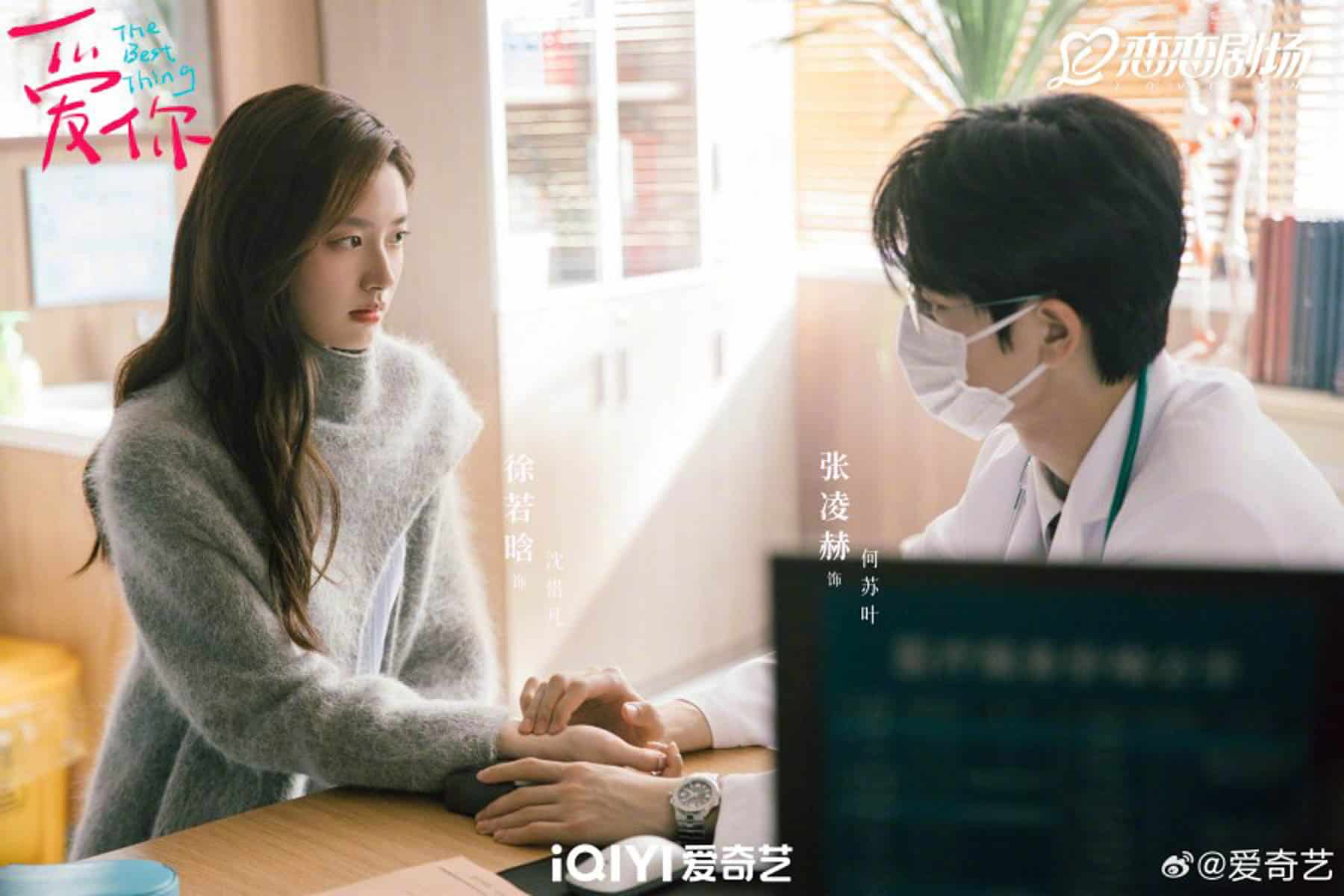
If you finished The Best Thing 爱你 at midnight and immediately Googled "what did He Suye put in that tea," you're in very good company. The 2025 iQIYI drama about a TCM doctor and a chronically sleep-deprived hotel manager had viewers putting down their bubble tea and picking up dried jujube. This post breaks down the real The Best Thing cdrama recipes so you can actually cook them.
> In This Post: Everything You Need for The Best Thing Cdrama Recipes
If you finished The Best Thing 爱你 at midnight and immediately Googled what Dr. He Suye put in that tea, you're not alone. The 2025 cdrama about a TCM doctor and a chronically sleep-deprived hotel manager sent viewers straight to their dried goods aisle. This post breaks down the real The Best Thing cdrama recipes and herbs so you can actually make them at home.
Jump to:
- > In This Post: Everything You Need for The Best Thing Cdrama Recipes
- What Is The Best Thing 爱你?
- Why TCM Food Therapy Is the Real Star
- Key TCM Herbs and Foods from the Drama
- He Suye's Licorice Root Tea
- The Red Bean Recipes He Suye Prescribed
- Where to Buy TCM Ingredients in Canada
- The Herbs, Episode by Episode
- Frequently Asked Questions (FAQs)
- Other TCM Teas and Soups to Try
- > Recipe Card
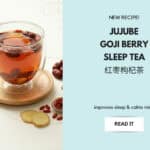
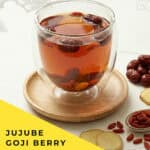
- The Best Thing 爱你 Cdrama: Jujube Goji Berry Sleep Tea (TCM)
What Is The Best Thing 爱你?
Released on iQIYI in February 2025, The Best Thing (爱你) stars Zhang Linghe as Dr. He Suye, a third-generation TCM physician, opposite Xu Ruohan as Shen Xifan, a workaholic suffering from chronic insomnia and migraines. Each episode loosely centres on one herb or TCM food, from licorice root to lily buds to fox nuts, used to gradually restore her sleep and emotional health. The storytelling is gentle. The food knowledge is genuinely solid.
What sets it apart from other medical romances is the philosophy baked into every scene. Food and medicine share the same source, 藥食同源, and the drama makes that feel less like a textbook fact and more like something worth trying on a Sunday afternoon.
Why TCM Food Therapy Is the Real Star
Dr. He Suye doesn't just write bitter prescriptions. He adjusts Shen Xifan's diet, brews teas suited to her constitution, and makes fragrant sachets to calm her nervous system between clinic visits. That's TCM food therapy working the way it's meant to, as a daily practice, not a dramatic cure.
The drama does a better job explaining this concept than most wellness platforms. It also has the advantage of Zhang Linghe delivering the information, which helps with retention.
Key TCM Herbs and Foods from the Drama
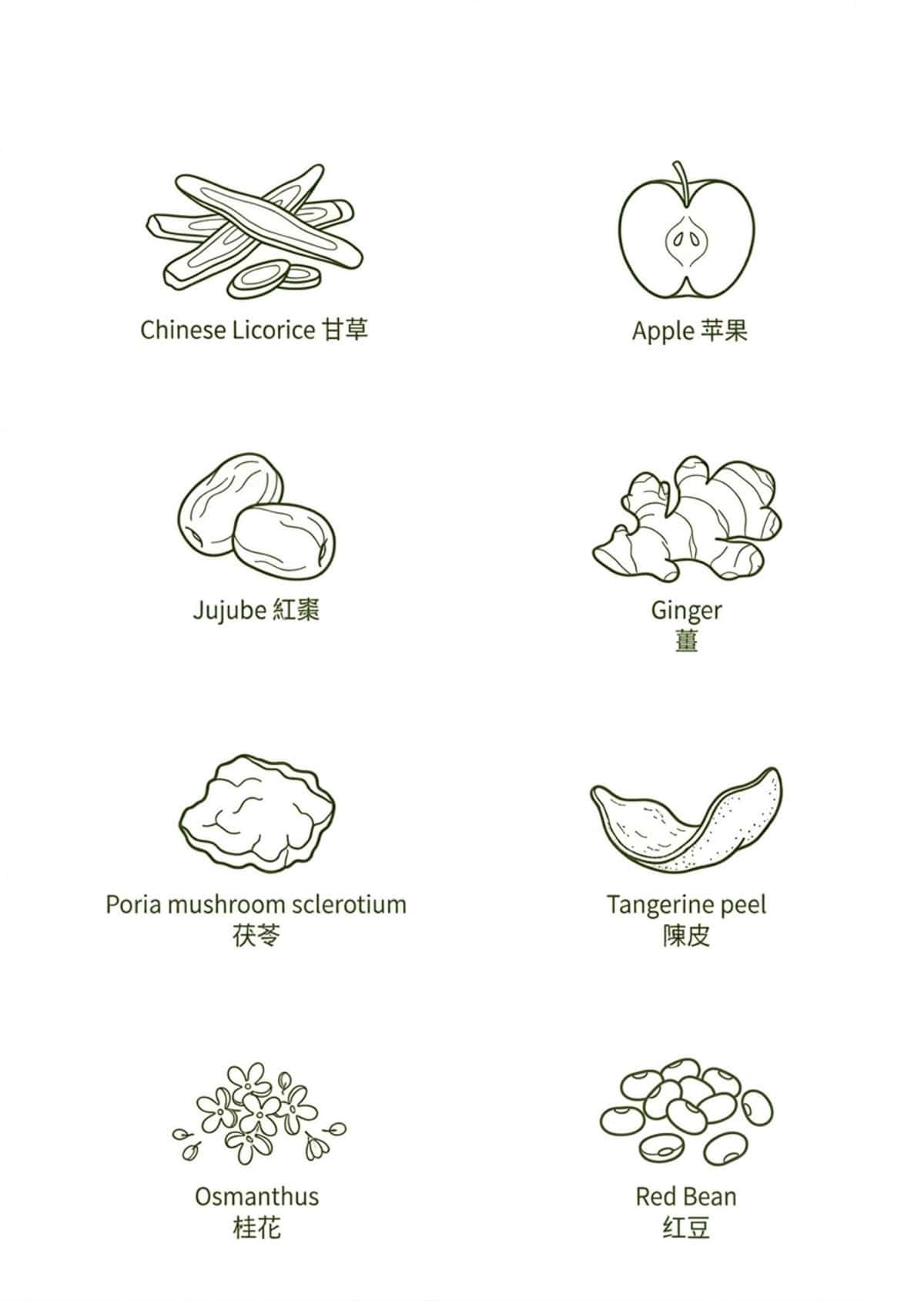
Each episode introduces a different ingredient. These are the ones viewers kept searching after watching.
Chinese licorice (甘草 / Gan Cao) is the first one Dr. He Suye reaches for. He steeps sliced licorice root in water and drinks it throughout the day as a calming, throat-soothing practice. In TCM, licorice harmonizes other herbs in a formula and supports spleen and lung qi. It's the quiet workhorse of the herbal pantry.
Jujube (紅棗 / Hong Zao) nourishes blood, calms the spirit, and forms the backbone of almost every Chinese herbal recipe for insomnia. The drama uses it often, with good reason. Paired with goji berries, it's the simplest effective sleep tea you can make.
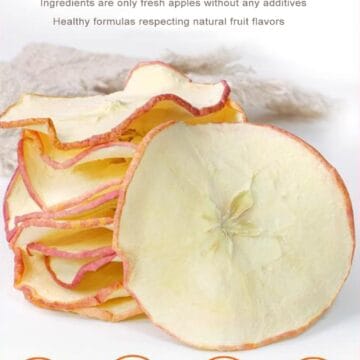
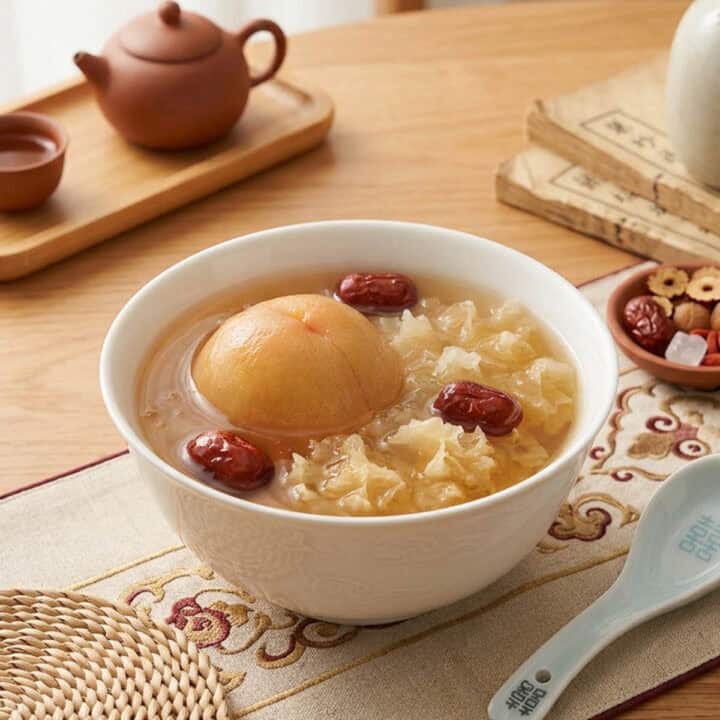
Apple (苹果 / Ping Guo) appears early in the series as a gentle digestive aid. Cooked apple moistens the intestines and settles the stomach before bed, a small but practical detail the show gets right.
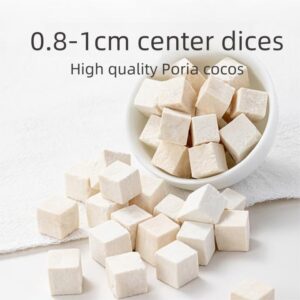
Poria mushroom (茯苓 / Fu Ling) strengthens spleen qi and gently quiets an overworked mind. He Suye makes a soup using lily buds, fox nuts, and poria, one of the drama's most-discussed recipes and one that overlaps neatly with Cantonese tong sui tradition. For context on how poria works in a seasonal soup, the Ching Bo Leung recipe on Nomss covers it well.
Cooking through another cdrama for the TCM angle? My Fish Fragrant Eggplant 魚香茄子 covers the dish tied to Qian Fei's kitchen in Love Has Fireworks 爱情有烟火, with the same TCM food therapy lens applied here.
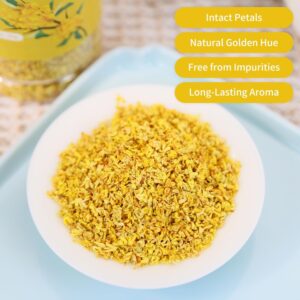
Osmanthus (桂花 / Gui Hua) features in sachets and evening teas throughout the series. It's warming, lightly sweet, and gently calming for the liver in TCM terms. It also makes your kitchen smell exceptional, which is a perfectly valid reason to stock it.
Dried tangerine peel (陳皮 / Chen Pi) and Ginger appear regularly as digestive supports and warming agents. If you're not keeping chen pi in your pantry yet, the spring dampness TCM guide on Nomss makes a solid case for why you should be.
The drama's consistent focus on sleep connects directly to a classic TCM imbalance: a depleted heart-spleen connection. The Si Shen Tang recipe addresses similar patterns, with four gentle herbs that target spleen qi deficiency and adrenal fatigue.
He Suye's Licorice Root Tea
This is the simplest recipe in the drama. Dr. He Suye steeps dried licorice root slices in warm or room-temperature water and drinks it through the day. No boiling required, no complex formula. It's mildly sweet without any added sugar, lightly cooling, and supportive of spleen and lung qi according to TCM principles.
Licorice root (甘草片) is easy to source at any Chinese grocery. I've seen it consistently at T&T in the dried herbs aisle. One note: those with high blood pressure, kidney conditions, or who are pregnant should check with a licensed TCM practitioner before making this a daily habit. The fictional doctor is charming; the real precautions still apply.
The Red Bean Recipes He Suye Prescribed
The jujube tea isn't the only recipe He Suye puts into Shen Xifan's hands. In Episode 15, he gives her two jars of red beans and a set of handwritten medicinal food recipes, explaining that red beans clear stagnation and help regulate mood. Her father goes home and quietly cooks them for her.
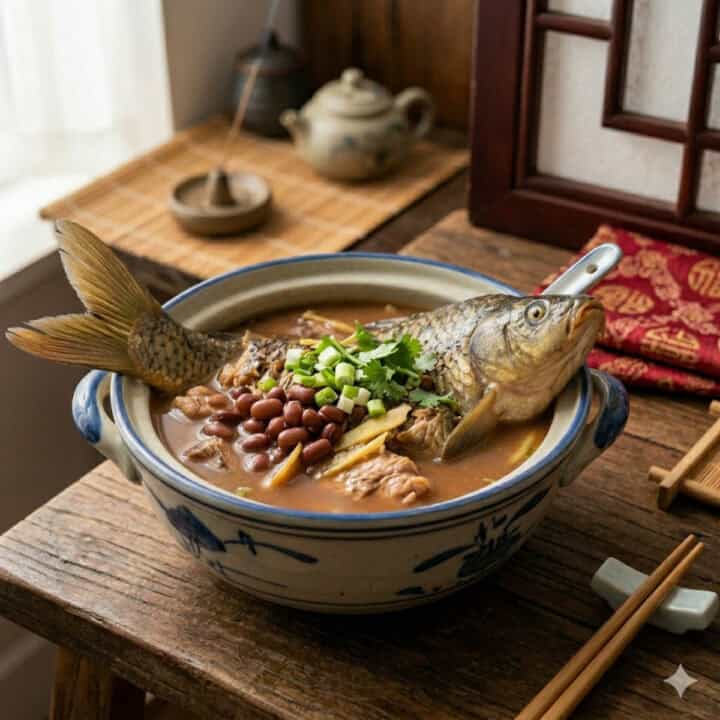
The specific dishes, including a classical adzuki bean and carp soup (赤小豆鲤鱼汤) rooted in Tang dynasty medicine, deserve their own post. The red bean scene was written specifically for the drama and doesn't appear anywhere in the original novel by 笙离 Shengli, which makes it one of the most underwritten corners of The Best Thing in English. That post is coming soon.
Where to Buy TCM Ingredients in Canada
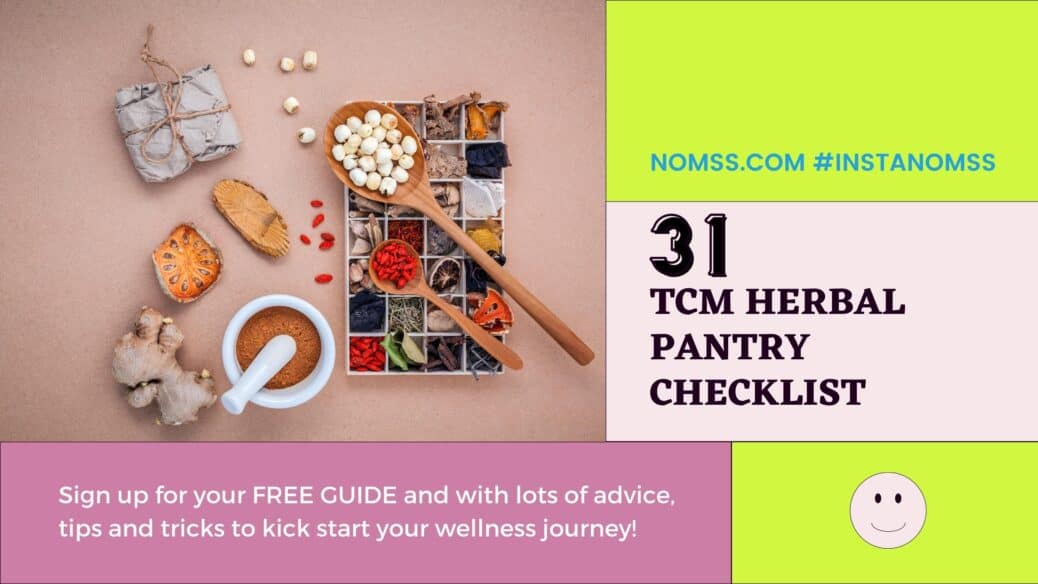
T&T Supermarket carries almost everything on this list. Dried jujube, goji berries, poria slices, osmanthus flowers, and licorice root are all in the dried goods section. Fresh ginger is at any grocery store.
For bulk quantities, I usually buy dried jujube and goji berries at Costco because the quality is consistent and the price is genuinely reasonable for the bag size you get. The goji berry bags in particular are worth stocking, since they go into teas, congee, soups, and the occasional smoothie without much thought. Both are also available through Amazon if you want to compare prices or need specific varieties.
Most dry goods ingredients, tools, and supplies can be purchased at local Asian markets, Chinese grocery stores, or Amazon Online. Amazon Prime members receive free shipping and faster delivery times.
The Herbs, Episode by Episode
Every episode of The Best Thing 爱你 opens with a TCM herb or ingredient as its title. It's one of the most deliberate structural choices in the drama, and the one that has almost no English-language documentation. Here is the complete list across all 28 episodes.
| Ep | Chinese | English Name | TCM Function |
|---|---|---|---|
| 1 | 苏叶 | Perilla Leaf | Warms the stomach, disperses cold, regulates qi |
| 2 | 苹果 | Apple | Calms the mind, gentle sleep aid, settles the stomach |
| 3 | 甘草 | Chinese Licorice | Tonifies spleen qi, clears heat, harmonises formulas |
| 4 | 薄荷 | Mint | Disperses wind-heat, clears the head and eyes |
| 5 | 淮山 | Chinese Yam | Nourishes the lungs, spleen, and kidneys; generates fluids |
| 6 | 合欢皮 | Albizia Bark love scene | Calms the spirit, relieves anxiety and emotional constraint |
| 7 | 远志 | Polygala love scene | Quiets the heart, calms the mind, opens the orifices |
| 8 | 艾叶 | Mugwort | Warms the meridians, stops bleeding, disperses cold |
| 9 | 桂花 | Osmanthus | Warms the stomach, transforms phlegm, calms the liver |
| 10 | 五味子 | Schisandra | Tonifies the kidneys, astringes qi, calms the spirit |
| 11 | 蜂蜜 | Honey | Moistens the lungs, nourishes the middle, topically heals sores |
| 12 | 沉香 | Agarwood | Descends rebellious qi, warms the kidneys, calms wheezing |
| 13 | 生龙骨 | Dragon Bone | Anchors yang, calms the liver, settles the spirit |
| 14 | 决明子 | Cassia Seeds | Clears liver heat, brightens the eyes, gently moves the bowels |
| 15 | 红豆 | Adzuki Beans dad cooks | Clears stagnation, reduces swelling, regulates mood |
| 16 | 生姜 | Fresh Ginger | Disperses exterior cold, warms the stomach, stops nausea |
| 17 | 陈皮 | Dried Tangerine Peel | Dries dampness, transforms phlegm, moves stagnant qi |
| 18 | 朱砂 | Cinnabar | Clears heart heat, calms the spirit, detoxifies |
| 19 | 茵陈 | Capillary Wormwood | Clears damp-heat, benefits the gallbladder, relieves jaundice |
| 20 | 菖蒲 | Calamus / Acorus | Opens the orifices, transforms dampness, calms the mind |
| 21 | 辛夷 | Magnolia Flower Bud | Opens nasal passages, disperses wind-cold |
| 22 | 芍药 | Chinese Peony | Nourishes blood, calms the liver, relieves pain |
| 23 | 郁金香 | Tulip | Moves qi stagnation, calms emotional constraint |
| 24 | 葛花 | Kudzu Flower | Relieves alcohol toxicity, clears heat from the stomach |
| 25 | 芡实 | Fox Nut / Euryale | Strengthens the spleen, stabilises kidney qi, stops discharge |
| 26 | 半夏 | Pinellia | Dries dampness, transforms phlegm, descends rebellious stomach qi |
| 27 | 茯苓 | Poria | Strengthens the spleen, drains dampness, calms the mind |
| 28 | 金银花 | Honeysuckle proposal | Clears heat-toxins, resolves inflammation, cools blood |
Episodes 1, 6, 7, 15, and 28 are confirmed from Chinese drama recap sources. All other episodes are sequenced from the confirmed order of herb appearances across the full drama. This is the first comprehensive English-language episode herb index for The Best Thing 爱你.
Three episodes worth highlighting for the blog:
Episode 6 (合欢皮) is the most-quoted moment in the drama. He Suye tells Shen Xifan: "You are my albizia bark, relieving my worry and sorrow." In TCM, albizia bark resolves emotional constraint tied to the liver and heart. It's also used in formulas for depression and insomnia caused by unresolved grief, which is exactly Shen Xifan's pattern at this point in the story.
Episode 7 (远志) He Suye completes the thought in the rain: "And I am your polygala, calming your mind and spirit." Polygala enters the heart and kidney meridians and is used specifically for anxiety, insomnia, and a restless, unsettled mind. Two herbs. One exchange. The writers knew what they were doing.
Episode 28 (金银花) The final episode herb is honeysuckle, 金银花. In the last scene, He Suye weaves a honeysuckle vine into a ring and places it on Shen Xifan's finger as a proposal. Honeysuckle's twining, clinging growth habit is an ancient Chinese symbol of love and devotion. It is also the herb that ends the drama, which is quietly perfect for a show that began with a TCM doctor and a woman who couldn't sleep.
Frequently Asked Questions (FAQs)
The drama raises a lot of questions about TCM that Dr. He Suye answers in 24 episodes. Here are the ones that come up most when you're standing in T&T holding a bag of licorice root.
In small amounts, most healthy adults tolerate it well. Large quantities over an extended period can raise blood pressure. Keep portions modest, and check with a TCM practitioner if you have any existing conditions.
Jujube is generally considered nourishing in moderate amounts during pregnancy, and small amounts of ginger are typically fine. Always confirm with your practitioner before using herbal remedies during pregnancy.
It's available on iQIYI with English subtitles.
TCM food therapy works gradually rather than immediately. Consistent use of calming herbs alongside good sleep habits builds over time. If insomnia is significant or persistent, work with a licensed TCM practitioner rather than relying on tea alone.
The Si Shen Tang and Ching Bo Leung posts are both worth bookmarking. Both use gentle herbs that strengthen the spleen-heart connection that He Suye references throughout the drama.
Shen Xifan needed a TCM doctor to move into her neighbourhood and a 24-episode story arc to sort her sleep. You just need a pot, a handful of red dates, and about 25 minutes.
Cooking through another cdrama? My fish fragrant eggplant recipe covers the dish Qian Fei makes in Love Has Fireworks 爱情有烟火, with the same TCM food therapy lens applied here.
Other TCM Teas and Soups to Try
If the drama has you curious about TCM food therapy beyond jujube tea, there's a lot more to explore on Nomss. The Chrysanthemum Honeysuckle Tea is a good next step, gentle, cooling, and easy to make on a weeknight. It clears heat without burdening the spleen, which makes it a natural follow-up to the warming teas in the drama.
For something more substantial, Si Shen Tang is a four-herb Cantonese soup that targets the same spleen and heart imbalance He Suye keeps addressing throughout the series. It's mild enough to drink regularly and uses ingredients you'll already have after stocking up for the jujube tea.
Ching Bo Leung covers similar ground with a broader herb base, poria, fox nuts, lotus seeds, and barley working together in a single pot. It's the kind of soup that makes sense to batch cook on a Sunday, which is exactly how He Suye would probably suggest you approach it.
Pin this post to your Chinese Medicinal Food Therapy TCM Recipe Pinterest board to bookmark it for the next time you stay up until 4 in the morning!
For traditional Chinese soups, healing recipes, and TCM food therapy that actually work, subscribe to our newsletter and never miss a wellness post!
I'd love to see how you went with my recipes! Leave a comment below or tag me on Instagram @INSTANOMSS #INSTANOMSS.
> Recipe Card
PrintThe Best Thing 爱你 Cdrama: Jujube Goji Berry Sleep Tea (TCM)
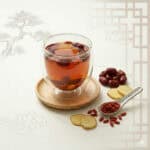
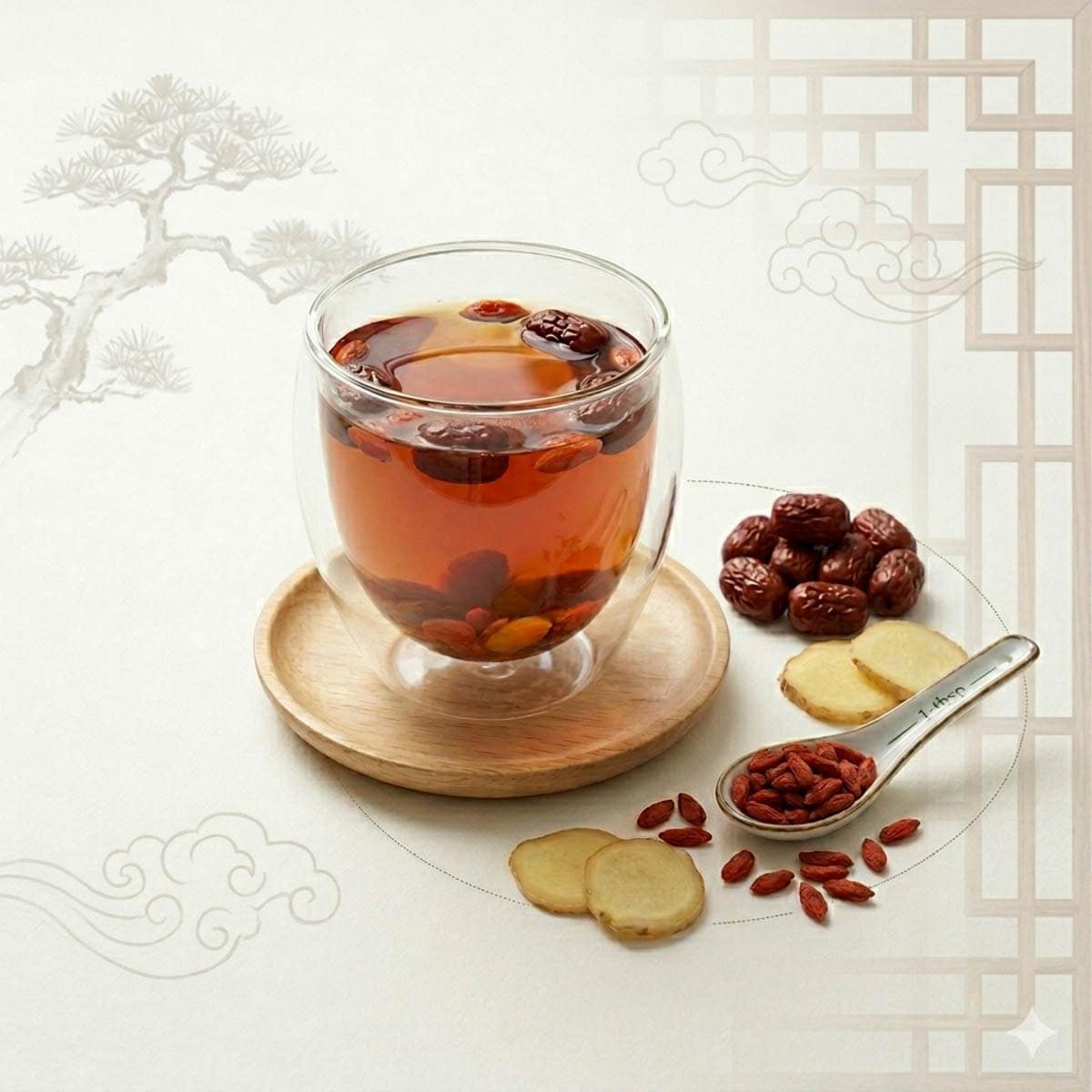
Inspired by Dr. He Suye's approach in The Best Thing 爱你 cdrama, this simple TCM tea uses jujube and goji berries to nourish blood and calm the mind before sleep.
- Prep Time: 5 mins
- Cook Time: 20 mins
- Total Time: 25 minutes
- Yield: 2 1x
- Category: Drink
- Method: Boil
- Cuisine: Chinese, TCM
Ingredients
- 8 dried jujube (red dates), pitted and scored
- 1 tbsp goji berries (枸杞)
- 2 thin slices fresh ginger
- 3 cups water
Optional:
- 1 tsp dried osmanthus flowers (桂花)
- 1 small apple, cored and quartered
Instructions
- Rinse the jujube and goji berries briefly under cold water.
- Combine jujube, ginger, and water in a small saucepan. Bring to a gentle boil over medium heat.
- Reduce heat and simmer uncovered for 15 to 20 minutes until the liquid turns a deep amber.
- Add goji berries and osmanthus (if using) in the last 3 minutes of simmering.
- Strain into mugs and drink warm, ideally 30 to 60 minutes before bed.
Equipment
 Buy Now →
Buydeem health care beverage tea maker
Buy Now → Buy Now →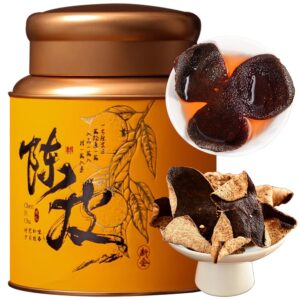
Dried tangerine peel (陳皮 / Chen Pi)
Buy Now →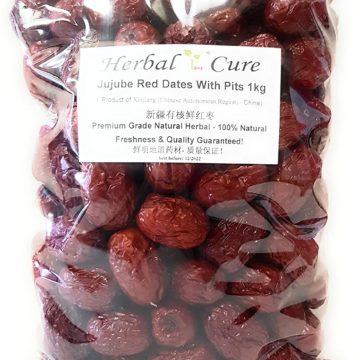 Buy Now →
  Buy Now →
  Buy Now →
 Notes
- Drink nightly for consistent results. Longan (龍眼乾) makes an excellent addition for extra calming effect.
- If you run hot constitutionally, skip the ginger and add a quarter of a cooked apple instead.
- Not recommended in large quantities during pregnancy without practitioner guidance.
Nutrition
- Serving Size:
- Calories: 173
- Sugar: 5.8 g
- Sodium: 70.1 mg
- Fat: 1.5 g
- Carbohydrates: 38.4 g
- Fiber: 4.6 g
- Protein: 4.3 g
- Cholesterol: 0 mg

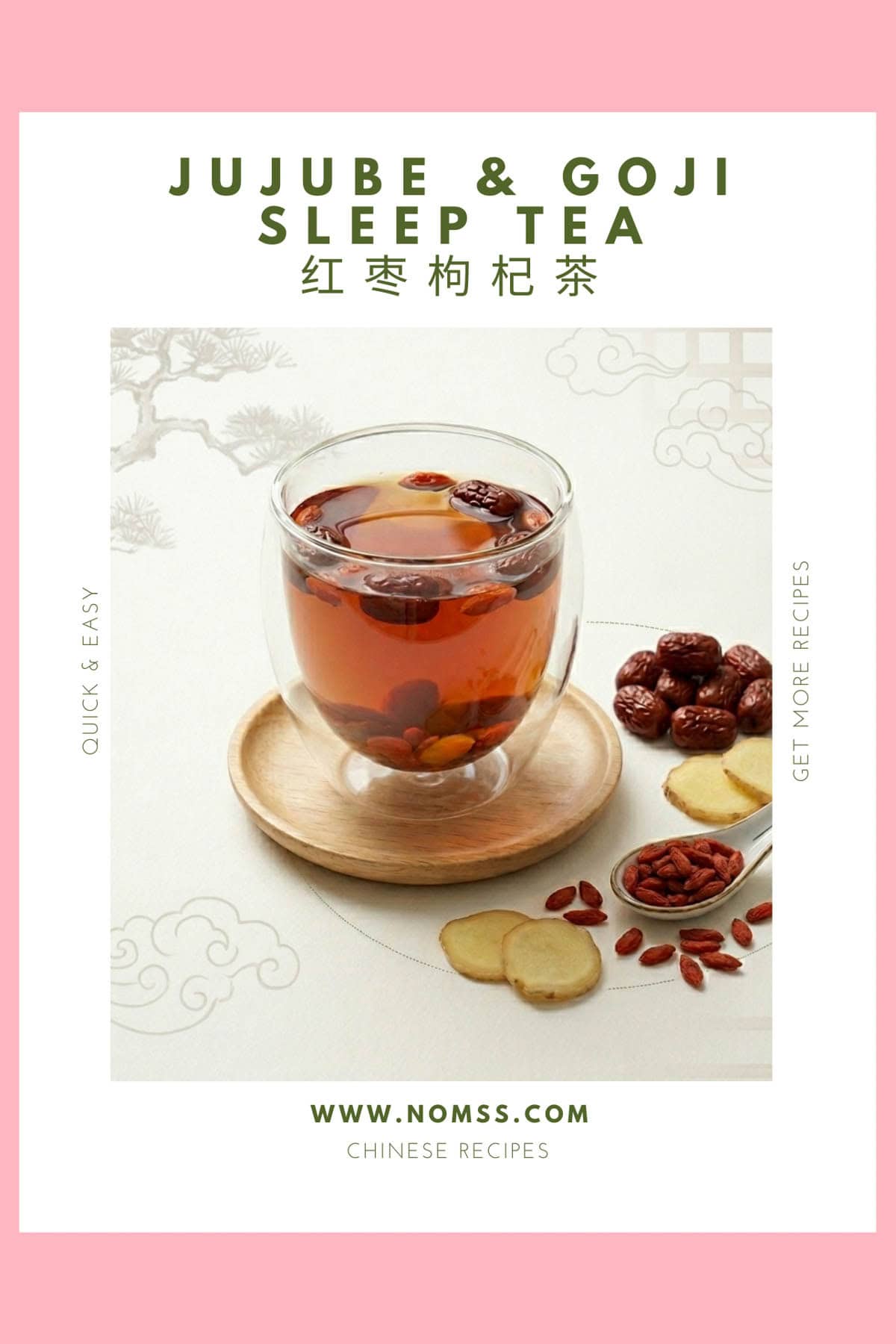
Pin the above image to your Chinese TCM Recipe Pinterest Board to bookmark this page. We are so excited to share our recipes with you!
More Chinese Recipes
Chinese Steamed Chicken With Shiitake Mushroom 冬菇蒸雞
Air Fryer BBQ Pork Char Siu 氣炸鍋蜜汁叉燒
Red Bean Soup (Instant Pot) 蓮子百合紅豆沙



Comment Below