
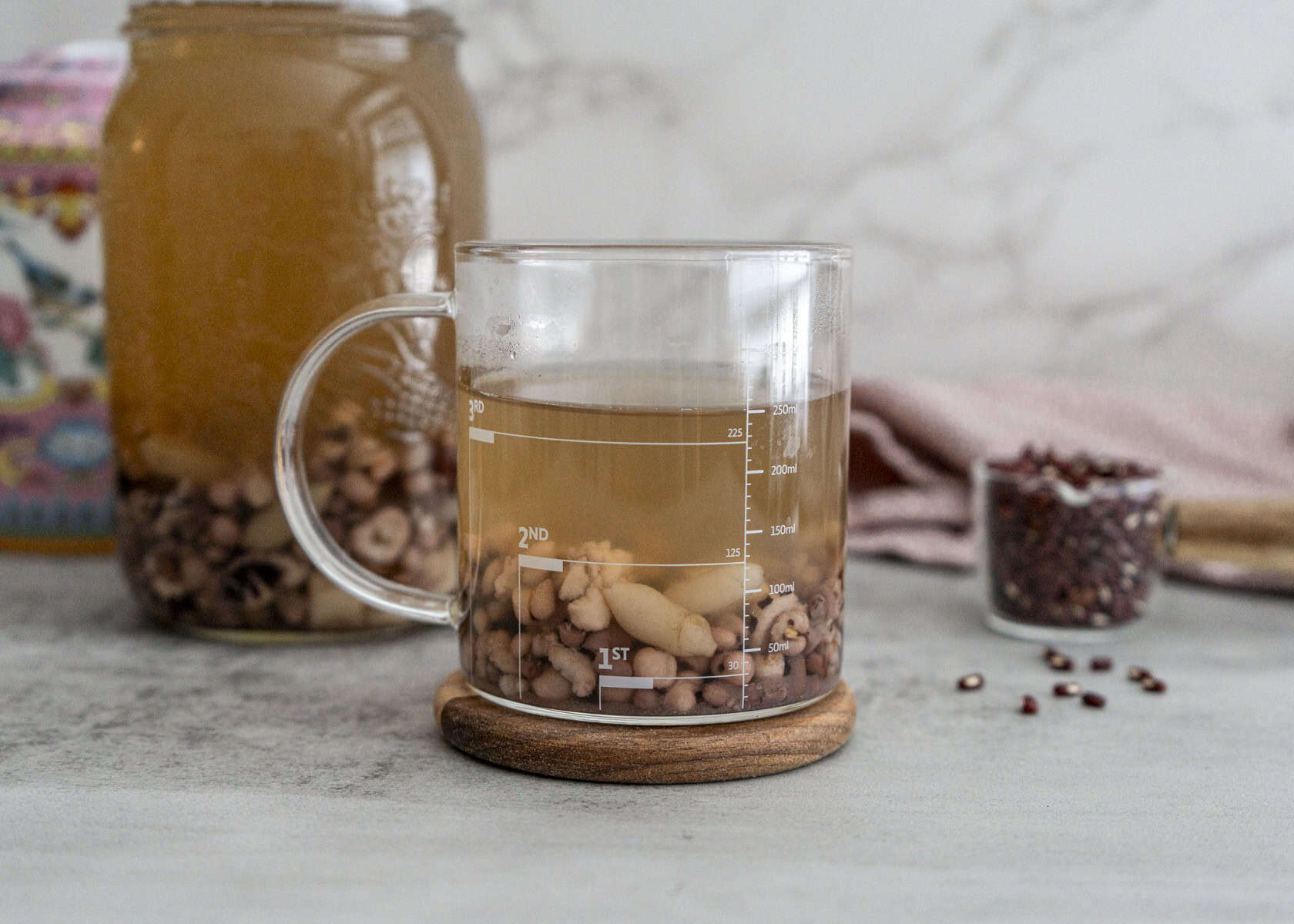
The sweltering heat of San Fu Period (三伏天) - the hottest days of summer according to Traditional Chinese Medicine (TCM) - calls for a time-tested remedy that has cooled and healed bodies for over 2,000 years. This Adzuki Red Bean, Job's Tears and Poria summer detox soup 赤小豆薏米茯苓茶 isn't just another summer drink; it's a therapeutic chinese herbal soup designed to combat summer dampness, boost kidney function, and restore your body's natural balance during the most challenging weather of the year.
> In This Post: Everything You'll Need For The Best Traditional Chinese Cooling Soup To Beat Summer Heat
Beat peak summer heat and humidity with this classic TCM-inspired soup that drains dampness, supports the spleen, and tastes light and toasty. Perfect for the San Fu Period (三伏天) - the year's muggiest stretch - this recipe blends adzuki red beans (赤小豆), Job's tears / coix seed (薏米/薏苡仁), and poria (茯苓) into a clear, soothing broth. Includes stovetop and Instant Pot instructions, plus ingredient swaps.
Check out this quick story summary of our recipe!
Jump to:
- > In This Post: Everything You'll Need For The Best Traditional Chinese Cooling Soup To Beat Summer Heat
- What is San Fu Period 三伏天?
- Ingredients and Chinese Herbal Benefits and TCM Properties
- Instructions
- Common Mistakes to Avoid When Making San Fu Chinese Herbal Soup
- Storage and Serving Tips for Maximum Benefits
- Frequently Asked Questions (FAQs)
- Other Summer Detox Drinks & TCM Summer Cooling Recipes
- > Recipe
- Summer Detox Soup Recipe: Traditional San Fu Period Adzuki Bean & Job's Tears
What is San Fu Period 三伏天?
San Fu Period (三伏天) represents the three hottest periods of summer in the traditional Chinese calendar, typically falling between mid-July and late August.
三伏天 (sān fú tiān) refers to the "Three Fu Periods" - the hottest days of summer in the traditional Chinese calendar.
San Fu Period (三伏天) represents the three hottest periods of summer in the traditional Chinese calendar, typically falling between mid-July and late August. During these scorching days, Traditional Chinese Medicine teaches that our bodies accumulate excessive heat and dampness, leading to:
- Digestive problems and poor appetite
- Water retention and bloating
- Fatigue and sluggish circulation
- Skin issues and inflammation
- Poor sleep quality due to internal heat
This three-ingredient therapeutic soup specifically targets these summer ailments using ingredients that have been scientifically validated for their cooling, diuretic, and anti-inflammatory properties.
Here is everything you need to know about San Fu Periods: Complete Guide to Chinese Summer Wellness & Traditional Recipes!
Maximize your San Fu Period wellness by pairing this dampness-draining soup with chrysanthemum honeysuckle tea. The soup targets lower body dampness and water retention, while the tea clears upper body heat and inflammation. This creates a complete summer detox protocol that addresses both heat and dampness from top to bottom
Once San Fu ends and Chushu begins, dampness stops being the problem and dryness takes over. That's the point to switch to something moistening like stewed peach with tremella and red dates."
Why These Three Ingredients Work Together
The combination of adzuki beans (赤小豆), Job's tears (薏米), and Poria (茯苓) creates what TCM practitioners call a "synergistic formula" - each ingredient enhances the others' therapeutic effects while minimizing potential side effects.

Ingredients and Chinese Herbal Benefits and TCM Properties
let's explore what makes this three-ingredient powerhouse so extraordinary. What makes this San Fu Period herbal soup recipe so remarkably effective isn't just the individual ingredients-it's the sophisticated TCM herbal synergy that amplifies each component's healing properties.
In Traditional Chinese Medicine, every ingredient carries specific energetic qualities and therapeutic actions that interact with your body's meridian system. This Chinese herbal benefits breakdown reveals exactly why adzuki beans target kidney dampness, how Job's tears eliminate internal heat, and why Poria mushrooms regulate your body's moisture balance during summer's most challenging days.
Understanding these TCM ingredient properties transforms you from simply following a recipe to becoming an active participant in your own healing journey-exactly as nature intended.
What you'll discover:
- The specific cooling and warming properties of each ingredient
- How modern scientific research validates ancient TCM wisdom
- Which organ systems each ingredient supports most effectively
- Why this particular three-herb combination creates therapeutic synergy
- Dosage guidelines and safety considerations for optimal benefits
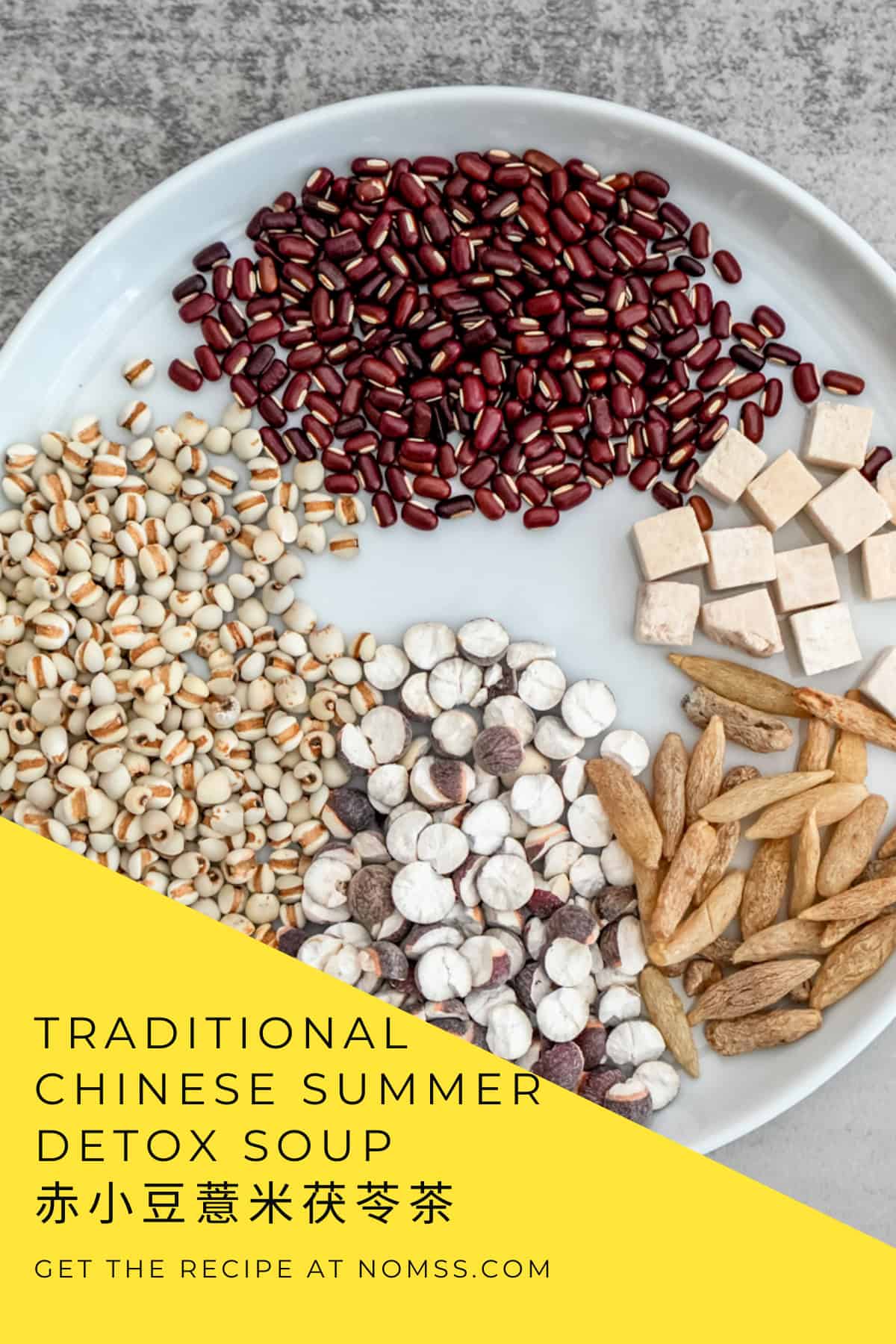
Adzuki Red Beans (赤小豆, Chìxiǎodòu) - The Natural Diuretic
Adzuki beans are neutral in nature. It calms the mind, treats edema, supports urinary health, reduces summer heat symptoms. Tonic to the Heart (Mind) and the Small intestine and improves Qi blood flow.
- Reduces water retention by up to 15% in clinical studies
- Supports kidney function through natural diuretic compounds
- Rich in antioxidants - specifically anthocyanins that reduce inflammation
- High in protein and fiber supporting stable blood sugar
- Contains folate and magnesium essential for cardiovascular health
Job's Tears (薏米, Yìmǐ) - The Dampness Eliminator
Coix seeds, also known as Chinese pearl barley, are cool in nature and are considered a superfood in Asia. This TCM ingredient clears dampness, improving digestion, beautifies the skin. Tonic to the Spleen and expels Damp-Heat.
- Anti-inflammatory effects comparable to some pharmaceutical drugs
- Supports healthy weight management through improved metabolism
- Rich in selenium and B vitamins supporting immune function
- Natural skin benefits - often called "beauty grain" in China
- Helps regulate blood sugar with a low glycemic index
Poria (茯苓, Fúlíng) - The Moisture Regulator
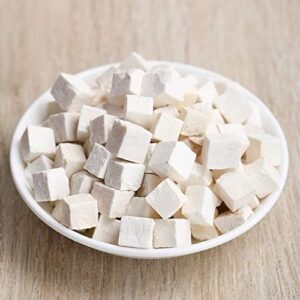
Poria-cocos mushrooms are a type of parasitic mushroom that grows on pine tree roots. They are prized for their gentle yet effective properties. According to Traditional Chinese Medicine, Fuling strengthens the Spleen, calms the mind and regulates body fluids. It encourages urniation and drains dampness. Tonic to the Spleen and Stomach. Enters the Heart and calms the Spirit.
- Mild diuretic effect without depleting essential minerals
- Supports digestive health through prebiotic compounds
- Calming properties that may improve sleep quality
- Immune system support via beta-glucan compounds
- Safe for long-term use with no known side effects

Optional Ingredients:
These optional TCM ingredients allow you to target specific health concerns while amplifying the soup's cooling and detoxifying properties.
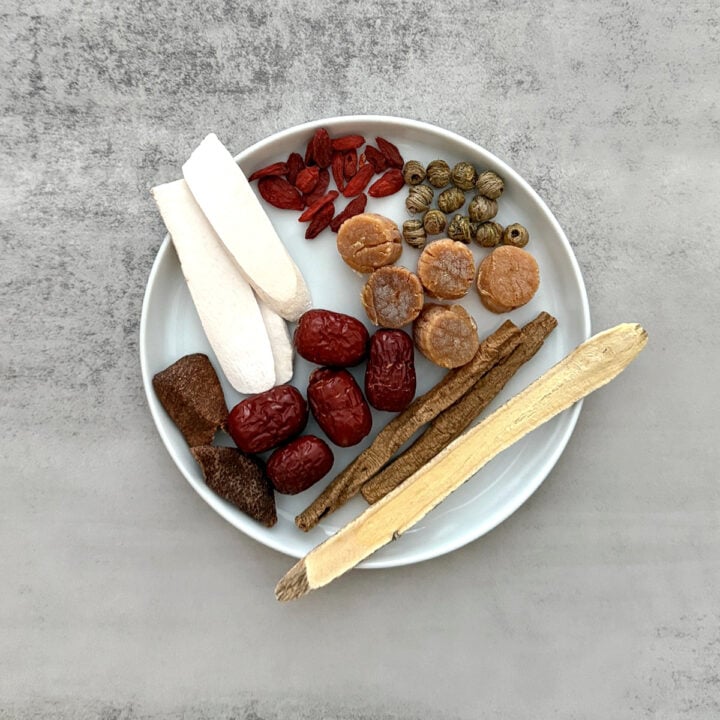
Ophiopogon Japonicus (麥冬, Mài dōng) - The Yin-Nourishing Powerhouse
Ophiopogon japonicus, Mai Dong (麥冬), often dubbed "dwarf lilyturf" in the West. This delicate but potent offering offers a sweet, slightly bitter taste. Mai Dong is Cool in nature, Yin-nourishing, Lung moisturizing and thirst-quenching. According to Traditional Chinese Medicine, Mai Dong is a go-to remedy for restoring moisture and balance during sweltering days of summer or the dry bite of winter air. Ophiopogon Root enters the Heart, Lung, and Stomach channels.
- Nourishes Lung and Stomach Yin for Hydration Balance - Mai Dong excels at replenishing yin energy in the lungs and stomach, making it a perfect ally against the parched conditions of hot, dry weather. This action helps combat chronic thirst and dry throat, restoring vital fluids without the heaviness of dampness, ideal for those seeking natural hydration remedies.
- Generates Body Fluids to Ease Thirst and Fatigue - By promoting the natural production of bodily fluids, this herb quenches deep-seated thirst and alleviates afternoon fatigue tied to internal heat. Its gentle fluid-enhancing properties offer relief from dehydration symptoms, a boon for anyone battling summer heat exhaustion.
- Clears Heart Heat for Emotional Equilibrium - Mai Dong's ability to dispel heat from the Heart soothes emotional irritability and restless sleep, especially during heatwaves. This calming effect supports mental wellness, making it a standout choice for stress relief in Traditional Chinese Medicine practices.
- Moistens Dryness in Respiratory and Digestive Tracts - With its mucilaginous texture, Mai Dong coats and hydrates the respiratory system, easing dry coughs and throat irritation (think, common woes from air conditioning or seasonal dryness). It also nurtures the digestive tract, promoting smooth function amidst arid conditions.
- Boosts Immunity with Antioxidant and Anti-Inflammatory Support - Mai Dong's polysaccharide and saponin content strengthen immune function while its antioxidants shield cells from heat-induced damage. This dual action enhances overall vitality, offering a holistic approach to yin deficiency treatment in TCM.
Lily Bulbs (百合, Bǎihé) - The Emotional Harmonizer
Lily Bulbs are a serene herb that has long been cherished for its ability to soothe the soul. Dried lily bulb scales add a subtle earthiness to soups and teas, offering a natural remedy for summer stress. Bai He has been a trusted ally for over a thousand years, especially for women navigating hormonal fluctuations or sleep disturbances during the intense San Fu Period. Its moistening and calming properties make it a standout choice for restoring inner peace amidst life's seasonal challenges. Cold in nature and enters the Lung and Heart meridians.
- Calms the Spirit for Anxiety Relief - Bai He gently settles the spirit, easing anxiety and emotional unrest, particularly during the summer heat. This makes it an ideal natural remedy for those seeking stress relief when tensions rise.
- Moistens Lungs for Respiratory Comfort - By hydrating the lungs, this herb alleviates dryness and supports clear breathing, offering relief from seasonal respiratory irritation during hot, arid months.
- Eases Hormonal Fluctuations - Perfect for women, Lily Bulbs balance hormonal shifts, reducing mood swings and sleep disturbances tied to the San Fu Period, promoting a harmonious wellness cycle.
- Supports Restful Sleep - Its calming effect combats insomnia caused by summer stress, fostering deep, restorative sleep for those overwhelmed by heat-induced restlessness.
- Nurtures Emotional Harmony Holistically - Lily bulbs fosters overall emotional balance, making it a gentle yet powerful herb for maintaining mental tranquility in demanding seasons.
Lotus Seeds (蓮子, Liánzǐ) - The Heart Stabilizer
Lotus Seeds is a revered herb in Traditional Chinese Medicine that anchors the Heart and steadies the mind. Cored lotus seeds infuse soups with a nutty sweetness, drawing from its roots in Asia's sacred lotus ponds. Prized for its tranquil strength, Lian Zi has been a go-to for calming restlessness and supporting digestive stability during the summer heat. Ideal for those grappling with palpitations or mental agitation, this herb offers a natural path to wellness, harmonizing body and spirit with every nourishing bite. Lotus Seeds are neutral in nature. Organ affinity Heart, Kidney and Spleen.
- Strengthens Heart Qi for Emotional Stability - Lian Zi fortifies heart qi, reducing palpitations and mental agitation caused by heat, providing a solid foundation for emotional balance.
- Calms Restlessness Naturally - This herb soothes restless sleep and nervous energy, making it a perfect remedy for those unsettled by summer stress or warm nights.
- Supports Digestive Stability - By nurturing the digestive system, Lotus Seeds ease sensitivities and promote smooth digestion, countering the sluggishness often felt in hot weather.
- Reduces Heat-Induced Agitation - Its cooling properties help dispel internal heat, offering relief from irritability and supporting a calm demeanor during intense seasons.
- Enhances Overall Vitality - Rooted in TCM principles, Lian Zi boosts vital energy, aiding those with digestive issues or heart health concerns in maintaining resilience.
Chrysanthemum Flowers (菊花, Júhuā) - The Vision Protector
Chrysanthemum Flowers, a vibrant herb celebrated for their eye-soothing prowess. These delicate, dried chrysanthemum buds, are Cool in nature and enters the Liver and Lung channels according to TCM.
Infuse Dried capitulum into teas and soups for a light floral aroma and gentle sweetness. Ju Hua is excellent for clearing liver heat and alleviating eye strain, making it a perfect companion for the digital age. Ideal for computer workers or anyone battling tension headaches from summer heat, this herb offers a natural path to visual wellness and calm amidst modern demands.
- Clears Liver Heat for Eye Health -Ju Hua dispels liver heat, reducing eye strain and redness, a vital remedy for computer workers facing prolonged screen time in hot weather.
- Brightens Eyes Naturally - This herb enhances visual clarity, soothing tired eyes and supporting eye health for those experiencing digital eye fatigue during busy seasons.
- Reduces Tension Headaches - By alleviating headaches caused by heat or stress, Chrysanthemum Flowers offer relief, making it a go-to for tension headache sufferers in the hot summer months.
- Calms Heat-Related Irritation - Its cooling properties ease internal heat, providing comfort to the head and eyes, ideal for those combating seasonal heat stress.
- Supports Overall Head Wellness - Ju Hua promotes head health holistically, aiding visual protection and mental calm for individuals in demanding environments.
Dried Aged Tangerine Peel (陈皮, Chénpí) - The Aromatic Digestive Support
Aged dried tangerine peel is one of Traditional Chinese Medicine's most beloved and versatile ingredients. Authentic Chen Pi comes from specific citrus varieties (primarily Citrus reticulata) grown in Guangdong Province, China. The aging process transforms the peel's bitter compounds into sweet, complex aromatics while concentrating the essential oils that provide Chen Pi's remarkable digestive and qi-regulating benefits. Chen Pi warms the Spleen, regulates Middle Burner, reduces stagnation and regulates the Qi. Tastes bitter and pungent.
- Qi Circulation Master - Regulates vital energy flow throughout the digestive system, harmonizes stomach and spleen function, and descends rebellious qi to reduce nausea, bloating, and digestive discomfort.
- Perfect Formula Balancer - Adds warming, aromatic properties (pungent, bitter, warm) that complement the cooling San Fu base ingredients, preventing digestive stagnation while enhancing nutrient absorption.
- Dampness & Phlegm Transformer - Essential during humid summer weather, Chen Pi transforms excess moisture and phlegm accumulation while supporting both lung and spleen meridians for respiratory and digestive health.
- Scientifically Proven Compounds - Contains powerful bioactive elements including hesperidin and naringin (anti-inflammatory flavonoids), limonene and citral (digestive motility oils), and prebiotic fibre that feeds beneficial gut bacteria.
- Clinical Research Results - Studies show up to 35% improvement in gastric motility, enhanced nutrient absorption through optimized stomach acid production, reduced digestive inflammation, and antimicrobial effects against harmful gut bacteria.
Should You Add American Ginseng (花旗参, Huāqí cān) to the Soup?
American Ginseng (Scientific name: Panax quinquefolius) is cool in nature and enters the body's Spleen and Lung meridians. It augments the Yin and the Qi, clears internal heat and generates body fluids. TCM tastes sweet and slightly bitter.
6-10g sliced American ginseng root provides sustained energy without heat, supports stress adaptation. It benefits working professionals needing mental clarity during demanding summer schedules. However,
American Ginseng may not be suitable for those with cold constitution or excess dampness, chronic diarrhea, low blood pressure, acute infections or pregnant or nursing mothers.
Always consult with a TCM practitioner or medical professional for guidance suitable for your body constitution.
Most dry goods ingredients, tools, and supplies can be purchased at local Asian markets, Chinese grocery stores, or Amazon Online. Amazon Prime members receive free shipping and faster delivery times.
Instructions
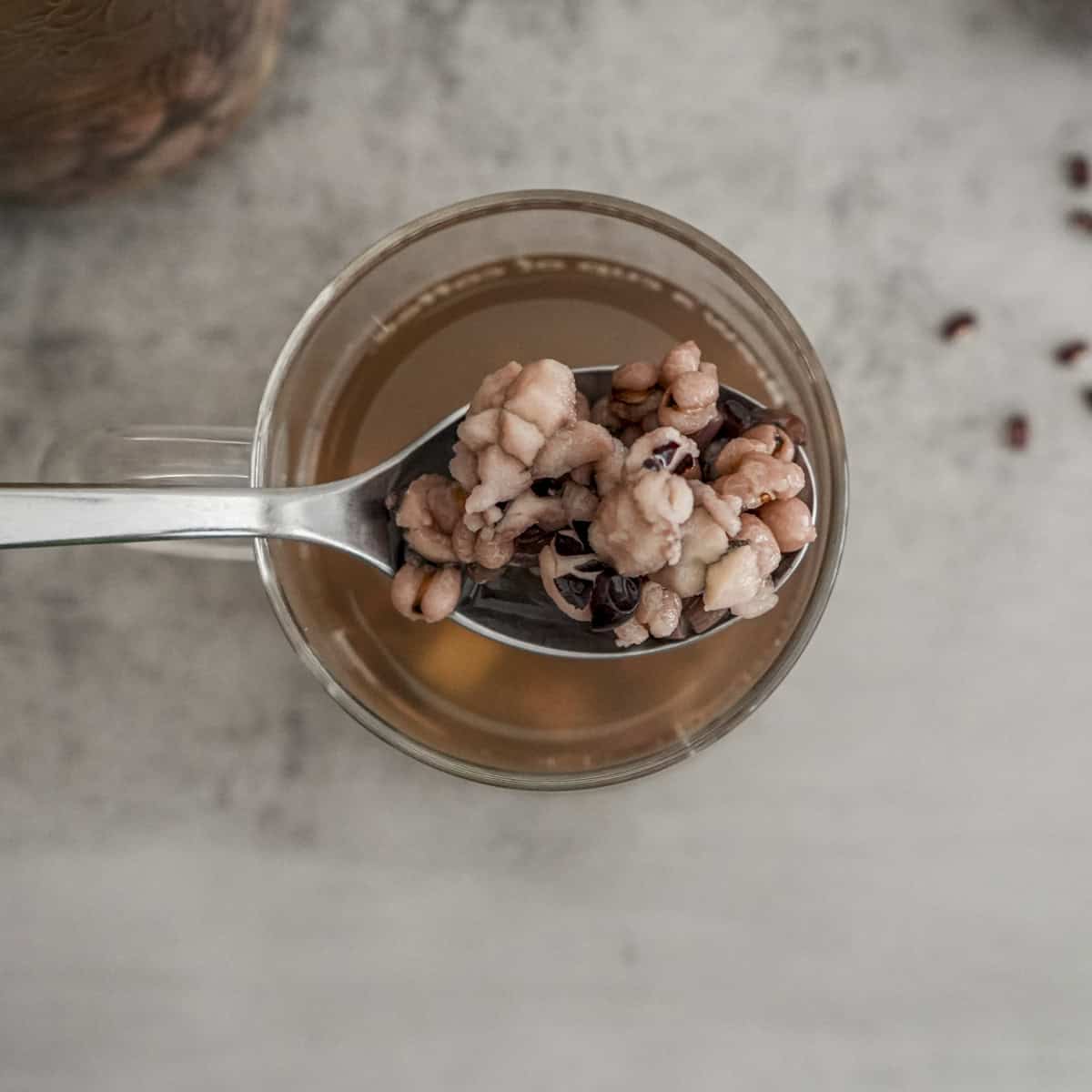
Beat the dog days of summer with this classic TCM summer wellness adzuki bean soup, blending red bean, coix seeds, poria cocos, and ophiopogon roots for potent relief from dampness and stagnation. Perfect for the San Fu Period, this Chinese herbal soup restores balance with ease.
Ready to craft this nutritious summer soup recipe? Let's dive in! Grab your ingredients and start cooking the best San Fu Period soup now!
Soak the herbs for 20 minutes in a small bowl to remove traces of impurities. This will help remove dust and debris. Rinse and set aside in a small bowl.
Pro Tip 1: Clean Poria pieces with a damp cloth. Don't soak - it will become slimy!
Pro Tip 2: Soak adzuki beans for 2-4 hours or overnight for faster cooking.
To make sanfu period recipe for dog days TCM soup made with adzuki red beans, job's tears (coix, yi yi ren) and poria fu ling, add the all herbal ingredients into a clean soup pot not made of stainless steel like THIS Perfect Pot or a Buydeem Health Beverage Maker.
Fill the large pot with cold filtered water to make the summer cooling Chinese soup. We used approximately 1.5 litres of cold drinking water.
Bring the soup to a boil, then reduce the heat to low once boiling. Cover and simmer for 75-90 minutes until beans are completely tender.
Stir occasionally to prevent sticking, adding hot water if needed.
Test doneness: Beans should mash easily with a fork.
Add rock sugar sparingly if desired before serving.
Strain the soup through a fine mesh strainer for a smooth consistency. This is entirely optional. The pulp makes for a great breakfast!
Serve and enjoy this soothing dampness TCM adzuki bean soup hot or chilled.
Red Bean Poria Dampness Removing Herbal Soup is more than just a meal; it's a time-honoured tonic for strengthening the kidneys, treating edema, and revitalizing energy. Packed with nutrients and healing herbs, this nourishing soup supports the body's natural ability to balance and restore itself.
Common Mistakes to Avoid When Making San Fu Chinese Herbal Soup
- Using the Wrong Bean Type - Many people substitute adzuki red beans with regular red kidney beans. Ensure you're using authentic adzuki beans. Look for smaller, darker red beans.
- Insufficient Cooking Time - Undercooked beans won't release their beneficial compounds. Cook until beans easily mash with a fork (75-90 minutes minimum).
- Adding Salt Too Early - Salt interferes with the natural diuretic properties. Season only after cooking, or better yet, omit salt entirely
- Incorrect Water Ratios - Too little water creates overly concentrated, bitter soup. Ensure enough filtered cold water is used for the specified ingredient amounts.
- Storing Incorrectly - Improper storage reduces effectiveness and creates food safety risks. Refrigerate within 2 hours, consume within 3 days.
Storage and Serving Tips for Maximum Benefits
Best Serving Practices
- Serve warm or at room temperature - never ice-cold
- Drink 1-2 cups daily during San Fu Period
- Best consumed on empty stomach 30 minutes before meals
- Continue for 7-10 days for optimal therapeutic effect
Proper Storage Methods
- Refrigerate immediately after cooling to room temperature
- Store in glass containers to maintain flavour integrity. Choose large mason jars here for bulk storage or a wide-mouth glass mason jar pitcher with lid (1 Quart / 32 oz) here for everyday pours. Durable, reusable, and flavour-safe.
- Freeze individual portions in ice cube trays for convenience. Try 1-cup silicone freezer molds with lids! They're ideal for whipping up a light dinner with smaller servings too!
- Reheat gently - avoid microwaving at high power or on the stovetop.
Signs Your Soup Has Gone Bad
- Sour or off odor.
- Slimy texture.
- Mold growth (especially in humid conditions).
- Fizzing or bubbling when stirred.
Frequently Asked Questions (FAQs)
Traditional practice recommends 7-10 consecutive days, then a 3-day break before repeating if needed.
Yes, but reduce ingredients by half for children under 12 and add a small amount of rock sugar for palatability.
This formula is generally very safe. Some people may experience increased urination initially, which is the intended therapeutic effect.
While safe year-round, it's most beneficial during hot, humid weather when the body accumulates dampness.
Add 15-20g (1 tablespoon) of dried Mai Dong to the classic three-ingredient base recipe. For beginners, start with 15g and increase gradually. Add Mai Dong during the last 30 minutes of cooking to preserve its delicate therapeutic compounds and natural sweetness.
Best sources include: Local Chinese medicine shops (highest quality), Asian grocery stores (good selection), online retailers like Mountain Rose Herbs or Starwest Botanicals (convenient shipping), and health food stores (limited but organic options). Always verify authenticity by checking for proper Chinese characters on packaging and avoiding pre-mixed formulas with unknown ratios.
Local Chinese medicine shops (highest quality), Asian grocery stores (good selection), online retailers like THIS.
No, substitution isn't recommended. Adzuki beans (赤小豆) are smaller, darker red, and contain specific therapeutic compounds not found in kidney beans. The diuretic properties and cooling effects essential for San Fu Period benefits come from authentic adzuki beans. Regular red beans won't provide the same TCM therapeutic actions.
Total cooking time: 90 minutes for stovetop method, 30 minutes in pressure cooker, or 6-8 hours in slow cooker. Preparation includes: 2-hour soaking for adzuki beans, 30-minute soaking for Job's tears. Pro tip: Use pre-soaked ingredients overnight to reduce active cooking time to 60 minutes.
Use 1.5 liters (6 cups) of filtered water for: 60g adzuki beans + 40g Job's tears + 30g Poria + 15-20g Mai Dong. This ratio ensures proper therapeutic concentration without overly thick consistency. Add hot water during cooking if needed to maintain liquid level.
Yes! Instant Pot method: Combine all ingredients with 1.5L water, pressure cook HIGH for 25 minutes, natural release 10 minutes. Add Mai Dong after pressure cooking and simmer 5 more minutes. This method preserves nutrients while significantly reducing cooking time.
Mai Dong enhances the soup by nourishing lung and stomach yin (essential during dry heat), generating natural body fluids, clearing heart heat for emotional balance, and moistening respiratory dryness. Modern research shows it supports immune function through polysaccharides and provides anti-inflammatory saponins. Perfect for chronic thirst, dry throat, restless sleep, and afternoon fatigue during summer.
The soup supports natural summer detox through multiple mechanisms: adzuki beans provide natural diuretic effects reducing water retention, Job's tears boost metabolism and reduce dampness, Poria regulates fluid balance without mineral depletion, and Mai Dong nourishes without adding excess calories. Clinical studies show up to 15% reduction in water retention and improved metabolic efficiency.
Generally safe with modifications. The soup is naturally low in sugar and Mai Dong may help stabilize blood glucose. However, consult your healthcare provider first and monitor blood sugar levels closely when starting. Avoid adding rock sugar and consider reducing Job's tears slightly if you're carbohydrate-sensitive.
While this traditional formula provides comprehensive detox support, it shouldn't replace prescribed medications or supplements without professional guidance. The soup offers gentle, food-based detoxification that complements rather than replaces other therapies. Consult a qualified TCM practitioner for personalized advice on supplement integration.
This enhanced mai dong ophiopogon recipe formula particularly benefits: Yin-deficient types (tend to run hot, experience dryness), damp-heat patterns (sluggish digestion, water retention), heart-fire types (restlessness, emotional volatility), and lung-dryness patterns (dry cough, throat irritation). Constitutional assessment by a TCM practitioner optimizes ingredient ratios.
Optimal frequency: 1-2 cups daily for 7-10 consecutive days, then take a 3-day break before repeating if needed. Best timing is 30 minutes before meals on empty stomach for maximum therapeutic absorption. Continue throughout the San Fu Period (mid-July to late August) for comprehensive summer wellness support.
Yes, with modifications. For children ages 6-12, use half the ingredient amounts and add small amount of rock sugar for palatability. Children under 6 should consult pediatrician first. The natural sweetness of Mai Dong makes the soup more child-friendly than the basic version. Monitor for any digestive sensitivities.
Refrigerate up to 3 days in glass containers for optimal freshness and therapeutic potency. Freeze individual portions up to 1 month in ice cube trays. Reheat gently - never microwave at high power as it degrades delicate compounds. Room temperature consumption is preferred over hot or cold serving.
Both options provide benefits. Drinking the strained liquid provides concentrated therapeutic compounds, while eating the softened ingredients adds fibre and additional nutrients. For maximum detox effect, strain and drink liquid, reserving pulp for smoothies or composting. For digestive support, consume everything.
Generally very safe for most people. Possible mild effects: Increased urination (intended therapeutic effect), slight digestive changes initially, rare allergic reactions in those sensitive to lily family plants. Discontinue if experiencing: severe digestive upset, skin reactions, or any concerning symptoms. Start with smaller portions to assess individual tolerance.
Pregnancy requires special caution. While individual ingredients are generally safe foods, the combination's strong diuretic effects may not be appropriate during pregnancy. Always consult your obstetrician and qualified TCM practitioner before consuming therapeutic herbal combinations during pregnancy or breastfeeding.
Potential interactions to discuss with healthcare providers: Mai Dong may enhance blood sugar-lowering medications, the soup's diuretic effects might affect blood pressure medications, and Poria could interact with lithium or diuretic drugs. Always inform your doctor about herbal consumption and monitor for any changes in medication effectiveness.
Avoid if you have: Active kidney disease (strong diuretic effects), severe digestive weakness with loose stools, known allergies to any ingredients, or are taking medications with potential interactions. Use caution with: Very elderly individuals, those with multiple medications, or anyone with serious chronic health conditions.
Optimal storage: Airtight glass containers in cool, dry place away from direct sunlight, separate containers for each ingredient to prevent cross-contamination, check regularly for pests or moisture, and use within 12-18 months for best potency. Refrigerate Mai Dong in humid climates to prevent deterioration.
Approximate costs per batch (serves 4-6): Adzuki beans ($1.50), Job's tears ($1.25), Poria ($2.75), Mai Dong ($2.25) = Total: $7.75 per batch or about $1.30 per serving. Bulk purchasing reduces costs significantly. Premium organic ingredients cost 20-30% more but offer superior therapeutic potency.
Natural sweetening options: Mai Dong provides inherent sweetness, add 1-2 red dates (hongzao) for natural fruit sweetness, minimal rock sugar (less than 1 teaspoon per cup), or finish with small amount of rock sugar. Avoid: Refined white sugar, artificial sweeteners, or excessive sweetening that masks therapeutic taste.
This recipe is already 100% vegan - containing only plant-based ingredients with no animal products. All four ingredients (adzuki beans, Job's tears, Poria mushroom, Mai Dong tubers) are naturally plant-based and provide complete therapeutic benefits without any need for animal-derived additions.
San Fu Period 2025 dates: First Fu (初伏): July 15-24, Middle Fu (中伏): July 25-August 13, Last Fu (末伏): August 14-23. Peak benefits occur when consuming the soup during these specific calendar periods when yang energy is strongest and the body is most receptive to cooling therapies.
San Fu represents the year's most powerful time for treating chronic conditions using "winter disease, summer treatment" principles. The body's yang energy peaks during these hottest days, making it optimal for expelling deep cold and strengthening constitutional weaknesses. Therapeutic interventions during San Fu have amplified, long-lasting effects.
Flavor enhancement techniques: Lightly toast Job's tears before cooking for nutty aroma, add 1 piece dried tangerine peel (chenpi) for citrus notes, finish with fresh mint leaves, or include 1-2 slices fresh ginger (add early, remove before serving). Avoid excessive seasoning that overwhelms the subtle therapeutic taste.
Have more questions about San Fu Period soup? Drop them in the comments below.
Other Summer Detox Drinks & TCM Summer Cooling Recipes
Still craving more after Chixiaodou soup recipe? Turn the page to a lineup of san fu period recipes. Authentic Chinese summer wellness recipes built for heat, light, and balance. This san fu cooking guide leans on traditional Chinese medicine foods to keep you cool and energized, pairing simple broths, gentle tonics, and garden-forward bites made for seasonal cooking. Bookmark these traditional Chinese medicine summer and Chinese seasonal wellness flavourful dishes that restore as they refresh.
Chinese Sweet Mung Bean Soup 綠豆沙
Summer Cooling Longan Red Date Tea (No Overheating)
Winter Melon Soup With Pork Ribs 冬瓜湯
I'd love to see how you went with my recipes! Leave a comment below or tag me on Instagram @INSTANOMSS #INSTANOMSS.
> Recipe
PrintSummer Detox Soup Recipe: Traditional San Fu Period Adzuki Bean & Job's Tears

The sweltering heat of San Fu Period (三伏天) - the hottest days of summer according to Traditional Chinese Medicine (TCM) - calls for a time-tested remedy that has cooled and healed bodies for over 2,000 years. This Adzuki Red Bean, Job's Tears and Poria Soup 赤小豆薏米茯苓茶 isn't just another summer drink; it's a therapeutic powerhouse designed to combat summer dampness, boost kidney function, and restore your body's natural balance during the most challenging weather of the year.
- Prep Time: 20
- Cook Time: 90
- Total Time: 1 hour 50 minutes
- Yield: 4 persons 1x
- Category: Drink
- Method: Boil
- Cuisine: Chinese, TCM
Ingredients
- 60g organic adzuki red beans 赤小豆
- 40g Job's tears 薏米
- 30g dried Poria mushroom 茯苓
- 1.5L cold filtered water
Optional Ingredients
- 1-2 pieces dried tangerine peel 陈皮
- 20g Mai Dong 麥冬
- 10g Dried Lily Bulbs
- 10g Chrysanthemum Flower
- Rock sugar to taste 冰糖
 Get Recipe Ingredients
 Instructions
- Soak the herbs for 20 minutes in a small bowl to remove traces of impurities. This will help remove dust and debris. Rinse and set aside in a small bowl.
- Pro Tip 1: Clean Poria pieces with a damp cloth. Don't soak - it will become slimy!
- Pro Tip 2: Soak adzuki beans for 2-4 hours or overnight for faster cooking.
- To make sanfu period recipe for dog days TCM soup made with adzuki red beans, job's tears (coix, yi yi ren) and poria fu ling, add the all herbal ingredients into a clean soup pot not made of stainless steel like THIS Perfect Pot or a Buydeem Health Beverage Maker.
- Add cold filtered water - the 1.5L measurement is crucial for proper concentration
- Bring to a rolling boil over high heat (approximately 8-10 minutes).
- Fill the large pot with cold filtered water to make the summer cooling Chinese soup. We used approximately 1.5 litres of cold drinking water.
- Bring the soup to a boil, then reduce the heat to low once boiling. Cover and simmer for 75-90 minutes until beans are completely tender.
- Stir occasionally to prevent sticking, adding hot water if needed.
- Test doneness: Beans should mash easily with a fork.
- Add rock sugar sparingly if desired before serving.
- Strain the soup through a fine mesh strainer for a smooth consistency. This is entirely optional. The pulp makes for a great breakfast!
- Serve and enjoy this soothing dampness TCM adzuki bean soup hot or chilled.


Notes
- Use a pressure cooker to reduce cooking time to 30 minutes
- Don't add salt - it counteracts the natural diuretic effects
- Maintain consistent low heat to prevent scorching
- Double the recipe and freeze portions for convenient daily consumption
Nutrition
- Serving Size: 1 pot
- Calories: 30
- Sugar: 2.1 g
- Sodium: 47.4 mg
- Fat: 0.2 g
- Carbohydrates: 6 g
- Fiber: 1.3 g
- Protein: 1.4 g
- Cholesterol: 0 mg


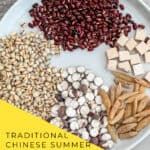
Pin the above image to your Chinese Medicinal Food Therapy TCM Recipe Pinterest Board to bookmark this page. We are so excited to share our recipes with you!
More Chinese Recipes
Chinese Steamed Chicken With Shiitake Mushroom 冬菇蒸雞
Air Fryer BBQ Pork Char Siu 氣炸鍋蜜汁叉燒
Red Bean Soup (Instant Pot) 蓮子百合紅豆沙










Comment Below