
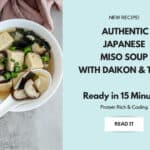
This Easy Daikon Tofu Kombu Miso Soup delivers every single time - especially when the evening rush hits and you need something warming, nourishing, and impossibly satisfying! Forget takeout! This authentic Japanese comfort food takes just 15 minutes from start to finish, transforming simple pantry staples into something genuinely soul-soothing. The magic happens in that first sip: the deep, oceanic richness of kombu dashi mingles with earthy miso paste. At the same time, tender daikon radish and silky tofu create the perfect textural dance. It's the kind of soup that makes you pause, breathe deeper, and remember why homemade always wins.
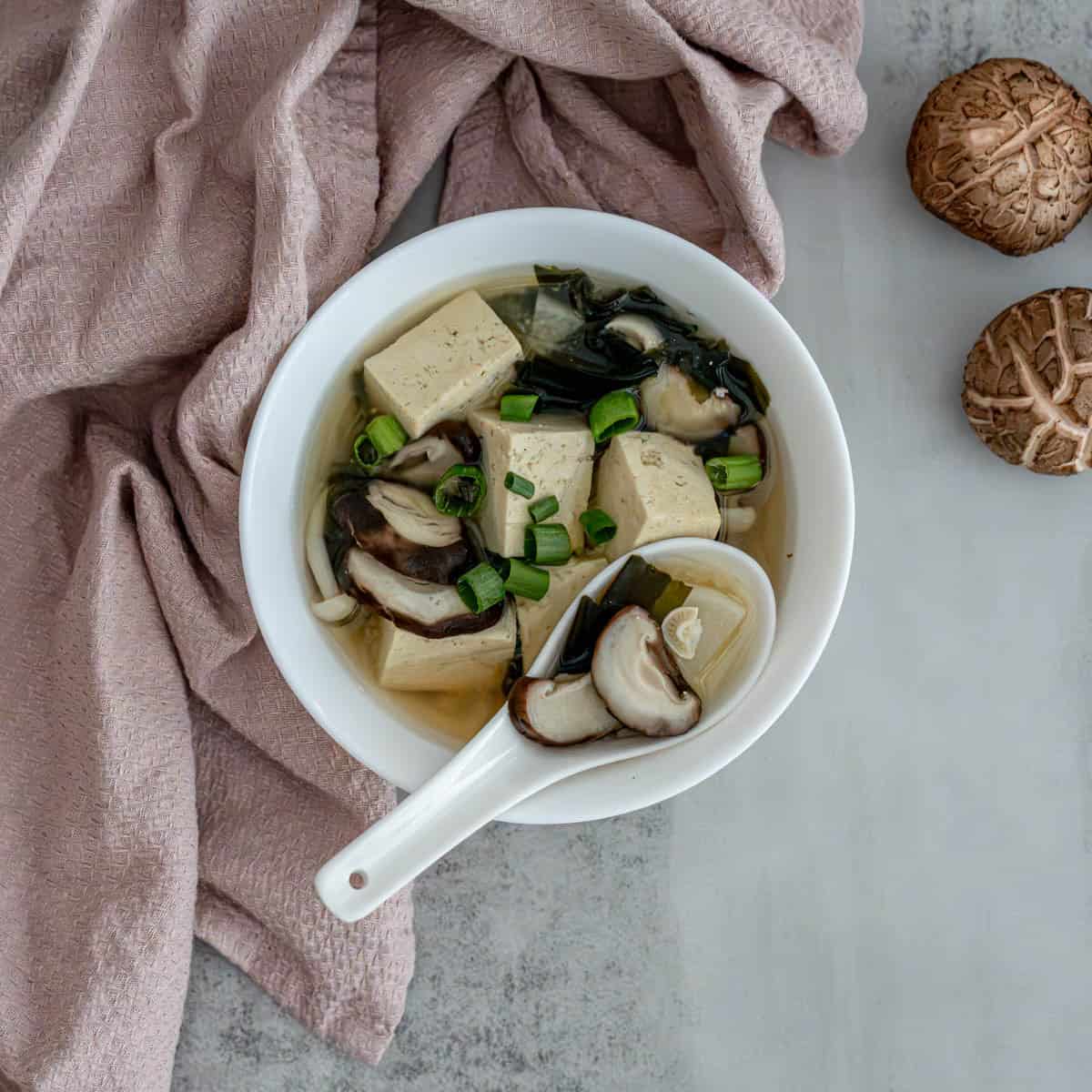
> In This Post: Everything You'll Need For The Best Quick One Pot Miso Soup With Daiko & Tofu Recipe
Why This Miso Soup Recipe Works for Busy Weeknights
Unlike complicated ramen broths that simmer for hours, authentic miso soup relies on kombu's natural glutamates to build umami in minutes. This traditional Japanese approach means you're getting restaurant-quality depth without the restaurant-level time commitment.
The beauty of daikon miso soup lies in its flexibility. Got leftover vegetables? Toss them in. Need more protein? Double the tofu. Craving something spicier? A dollop of miso paste with red chilli oil will transform your bowl entirely.
Check out this quick story summary of our recipe!
Jump to:
- > In This Post: Everything You'll Need For The Best Quick One Pot Miso Soup With Daiko & Tofu Recipe
- What makes this recipe special:
- Why These Three Ingredients Work Together
- Health Benefits and TCM Properties
- Optional Ingredients: Flavour Enhancers
- Instructions - Step-by-Step Cooking Method
- Ingredient Substitutions
- Storage, Meal Prep Guide, and Make-Ahead Tips
- Serving Suggestions for Complete Weeknight Meals
- Troubleshooting Common miso soup with daikon and tofu Mistakes
- Frequently Asked Questions (FAQs)
- Other One-Pot Meals and Weeknight Recipes
- > Recipe
- Easy Daikon Tofu Kombu Miso Soup (15 Minutes!)
What makes this recipe special:
- Genuine kombu dashi base (not instant powder dashi soup mix)
- Fresh daikon radish for authentic texture
- Multiple miso paste options to suit your taste
- Ingredient substitutions for dietary needs
- Make-ahead friendly for meal prep
Why These Three Ingredients Work Together
There's actual food science behind why daikon, tofu, and kombu create such a harmonious bowl. Japanese cooks have understood this harmony for centuries!
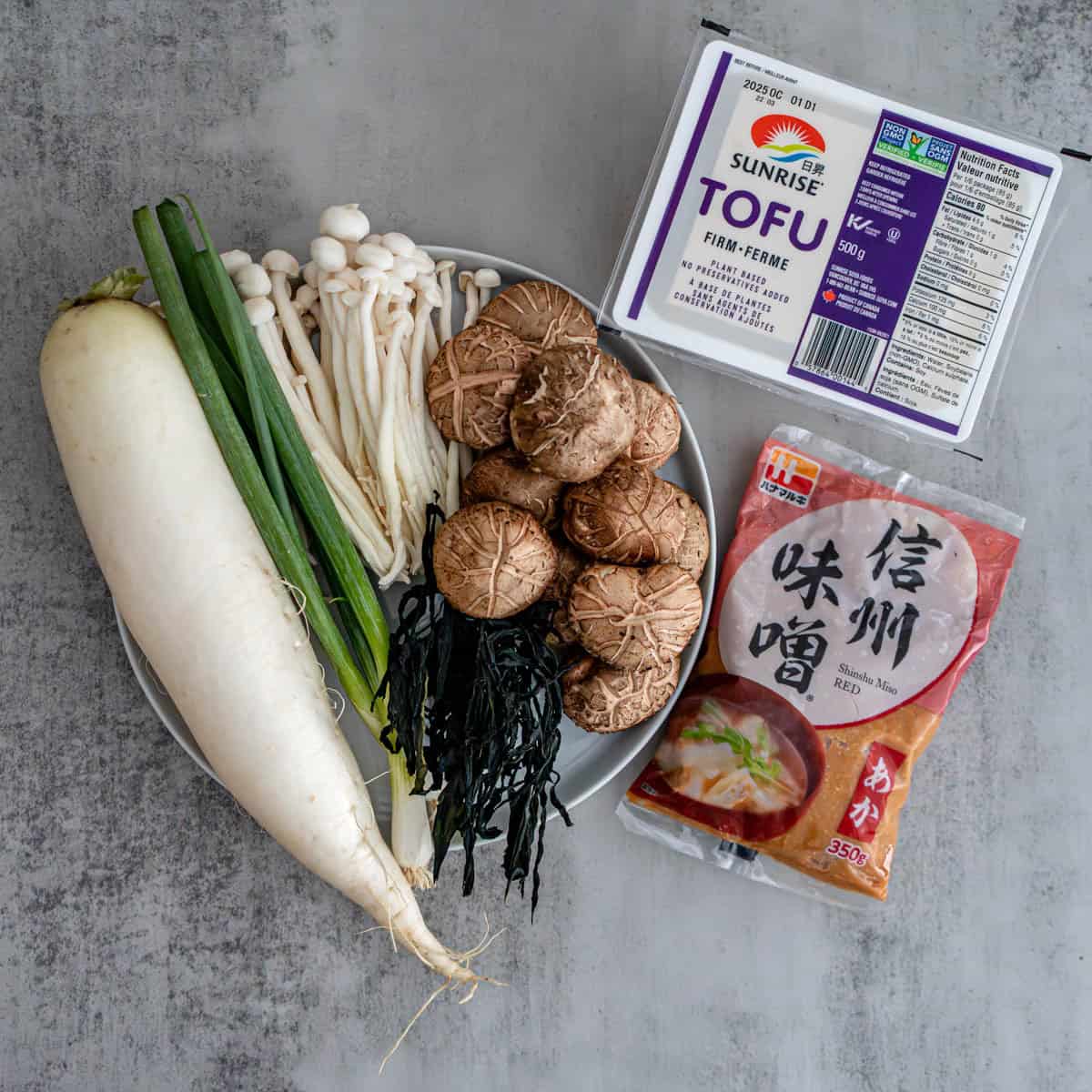
Kombu Seaweed - Seaweed is nature's umami bomb, packed with glutamic acid-the same compound that makes aged cheese and ripe tomatoes so crave-worthy. When you steep kombu in water, these glutamates dissolve into the liquid, creating a savoury backbone that doesn't taste "fishy" or oceanic, just deeply satisfying.
Daikon Radish - The white daikon radish brings a peppery freshness that cuts through richness while adding textural contrast. Unlike carrots or potatoes that become mushy, daikon holds its shape beautifully in hot broth, offering that perfect crisp-tender bite. Its high water content means it absorbs the miso-kombu flavours without becoming soggy, essentially acting like a flavour sponge that releases umami with every chew.
For a heartier root vegetable soup, try fresh lotus root in traditional pork bone soup - it offers similar textural satisfaction with deeper TCM nourishing properties.
Silken Tofu - Soya Tofu plays the supporting role brilliantly. It is mild, creamy neutrality that balances the assertive miso and oceanic kombu. The protein in tofu also creates what food scientists call "kokumi," a mouthfeel that makes soups taste fuller and more complex. Each silky cube carries the broth's flavour on its surface while maintaining its delicate texture inside. Of course, you can use firm tofu too!
Together, these three ingredients hit different taste receptors and create textural variety: the slippery tofu, the crisp daikon, the silky broth enriched by kombu. It's why this simple combination never feels boring, even when you eat it several times a week.
Health Benefits and TCM Properties
When you're rushing through a weeknight dinner, Traditional Chinese Medicine principles may not be top of mind, but this simple soup is remarkably nourishing on multiple levels. These three humble ingredients work together not only for flavour, but also to support your body's natural balance in ways that both ancient wisdom and modern nutrition recognize.
Daikon Radish - aids digestion by naturally breaking down starches and fats, making it a traditional accompaniment to heavier meals in Japanese cuisine. In Traditional Chinese Medicine, daikon is considered cooling in nature and helps clear heat from the lungs and stomach while promoting healthy Qi circulation. For more digestive support through traditional soups, try this nourishing silkie chicken soup for spleen health, which strengthens the digestive system using different TCM herbs.
Tofu - provides complete plant-based protein with all nine essential amino acids while supporting heart health through its isoflavone content. TCM recognizes tofu as cooling and moistening, particularly beneficial for nourishing yin energy and clearing internal heat without taxing the digestive system.
Kombu Seaweed delivers natural iodine for thyroid function plus fucoidan compounds that support immune health and may have anti-inflammatory properties. In Traditional Chinese Medicine, kombu is cooling and salty, used to soften hardness, resolve phlegm, and promote water metabolism while nourishing the kidneys and blood. Suppose you're interested in exploring more TCM soups that strengthen the spleen and remove dampness. In that case, the traditional Ching Bo Leung herbal soup is an excellent complement to your soup rotation, available all year round.

What Is The Difference Between Kombu vs. Nori?
Both are seaweeds, but they play entirely different roles in your soup. Kombu is the thick, dark green kelp strip you use to make dashi-the broth foundation. It's steeped in water to extract umami, then removed before serving. Think of it like a tea bag for your soup base. Nori, on the other hand, is those thin, crispy sheets used for sushi rolls. When added to miso soup, nori is torn into small pieces as an optional garnish that you actually eat, adding a toasted, oceanic flavour accent. Kombu builds the foundation; nori adds the finishing touch.
Kombu (昆布)
- Thick, dark green kelp that looks like wide, leathery strips
- Used to make dashi (broth) - the foundation of your soup
- Has white powdery coating (natural glutamates/umami)
- Never eaten directly in miso soup - removed after steeping
- Provides the deep, oceanic umami base
Nori (海苔)
- Thin, crispy sheets (like sushi wrapping)
- Used as a garnish or flavour accent
- Usually torn into small pieces and added at the end
- Eaten in the soup for texture and extra ocean flavour
- Adds a slightly different seaweed taste - more toasted/nutty
In this recipe:
- Kombu = Essential for making the dashi base (the liquid foundation)
- Nori = Optional garnish for extra flavoir and visual appeal
Think of it this way: Kombu is like tea leaves you steep and remove, while nori is like croutons you sprinkle on top. Both add flavour, but in very different ways!
Optional Ingredients: Flavour Enhancers
- 1 sheet nori, torn into pieces - Adds oceanic depth
- 1 teaspoon grated fresh ginger - Warming and aromatic
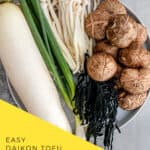
- 3-4 shiitake mushrooms, sliced - Meaty texture and extra umami
- ½ cup enoki mushrooms - Delicate, slightly sweet with beautiful presentation
- 3 oz thinly sliced pork - Adds protein and richness; simmer for 2-3 minutes until cooked
- Chicken broth instead of water - Swap all or half the water for deeper flavour and added nutrients
- 1 tablespoon wakame seaweed - Rehydrate in warm water for 5 minutes first
Most dry goods ingredients, tools, and supplies can be purchased at local Asian markets, Chinese grocery stores, or Amazon Online. Amazon Prime members receive free shipping and faster delivery times.
Instructions - Step-by-Step Cooking Method
The difference between restaurant-quality miso soup and cloudy, bland disappointment comes down to technique. These steps follow the traditional Japanese method that coaxes maximum umami from kombu while preventing the lumpy miso and broken tofu that plague home cooks. Fifteen minutes is all it takes when you know the proper sequence.
Place the kombu in cold water and let it sit for 5 minutes while you prepare the other ingredients. This gentle extraction prevents bitterness that boiling would create. The kombu should start releasing its flavour and essence. The water will turn slightly golden.
Pro tip: Score the kombu with a knife before soaking to release more flavour compounds. For dried kombu, break it apart into smaller pieces first. Alternatively, use scissors to cut the pieces into smaller sizes after cooking.
Gently warm the kombu water over medium-low heat until it's steaming but not bubbling. Remove the kombu piece. You can reserve it for a second, lighter dashi or chop it up and add it back to your soup for extra texture.
Here's where many home cooks go wrong: never add miso paste directly to hot liquid. Instead, ladle about ½ cup of the warm dashi into a small bowl. Whisk in the miso paste until completely smooth and lump-free. This tempering prevents the miso from clumping and ensures even distribution.
Miso paste guide:
- White miso (shiro): Sweet, mild, perfect for delicate soups
- Red miso (aka): Bold, salty, aged flavour for heartier versions
- Mixed miso: Combine both for complexity
Return the smooth miso mixture to your pot and stir gently.
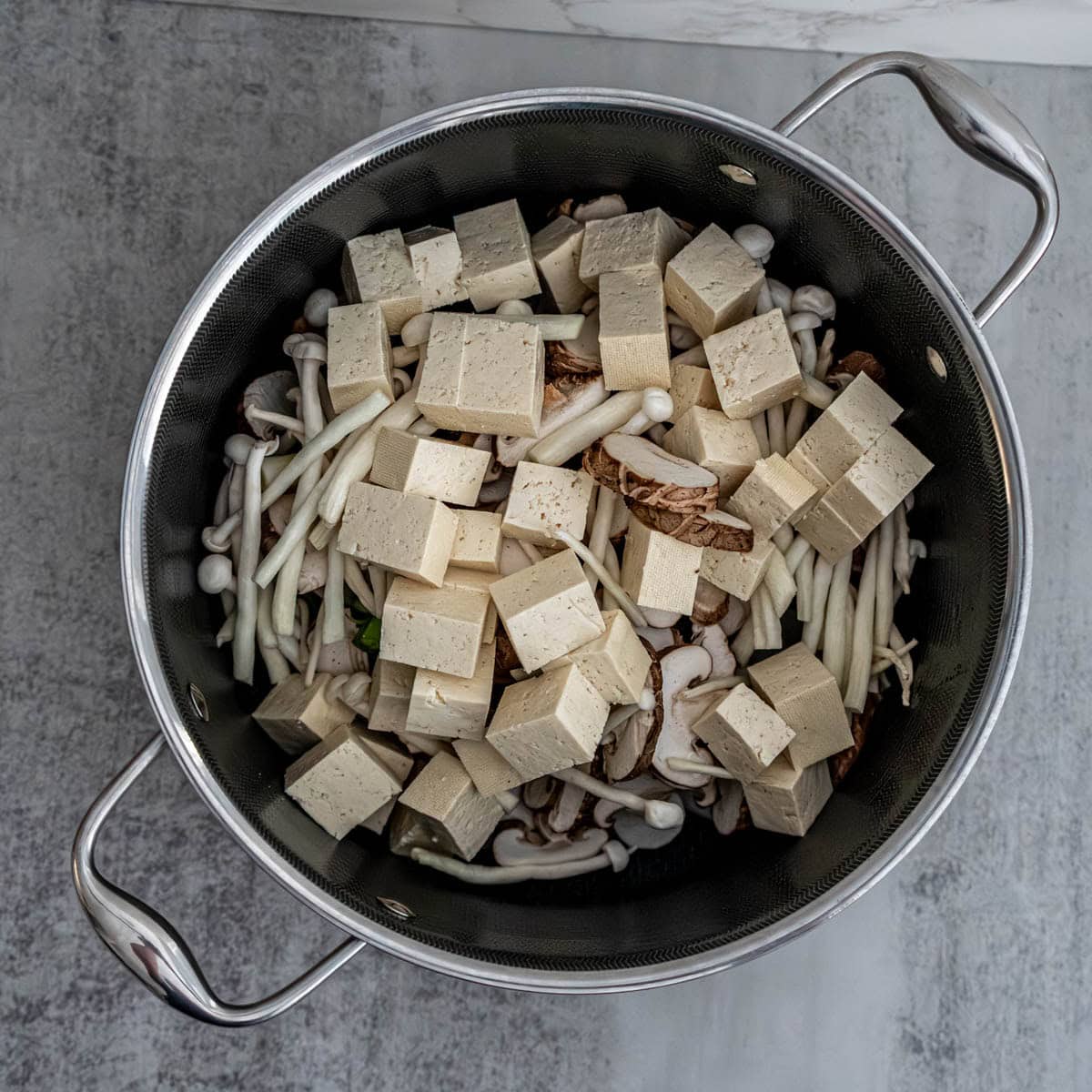
Add sliced daikon and any harder vegetables, such as mushrooms or carrots. If using sliced pork, add it now and simmer for 3-4 minutes, until the pork is cooked through and the daikon is tender but still has a slight bite.
Add cubed tofu and any delicate ingredients, such as wakame, nori, or enoki mushrooms, in the final minute - just long enough to warm through without breaking apart.
Remove from heat and stir in chopped green onion whites. Taste and adjust. Add more miso for saltiness, a splash of sake for sweetness, or grated ginger for warmth.
Ladle into bowls and garnish with green onion tops and any additional seaweed or sesame seeds, as desired.

Ingredient Substitutions
The beauty of this kombu dashi miso soup recipe is its flexibility. You don't need a specialty Asian grocery run to make something authentic and delicious. Here's how to adapt the simple Japanese miso soup recipe to whatever ingredients you already have in your pantry or can find at your local supermarket.
No kombu? - Create instant dashi with ½ teaspoon dashi powder or use vegetable broth with a sheet of nori. For an even richer flavour, swap half or all of the water for chicken broth. Chicken bone broth adds depth and nutrients while maintaining the soup's authentic character.
Daikon alternatives - White turnips, regular Korean radishes, or even thinly sliced cabbage provide a similar crisp-tender texture.
Tofu swaps - Cubed tempeh, edamame, bean curd sheets or small dumplings work beautifully. For extra protein, add thinly sliced pork belly or chicken breast that simmers right in the soup.
Mushroom varieties - Shiitake mushrooms bring a meaty umami, enoki mushrooms add delicate sweetness, while button or cremini mushrooms are a versatile option.
Miso Variations - Can't find Japanese miso? Korean doenjang or Chinese sweet bean sauce creates different but delicious flavour profiles.
Vegetable additions - Bok choy, spinach, corn kernels, bean sprouts, or leftover roasted vegetables all make excellent additions.

Storage, Meal Prep Guide, and Make-Ahead Tips
This easy miso soup recipe adapts beautifully to meal prep routines. Make a large batch of kombu dashi on Sunday and store it in the refrigerator for up to a week. When you're ready for soup, simply warm the dashi, temper your miso, and add fresh ingredients.
- Finished soup: 3 days refrigerated (miso flavours actually deepen overnight)
- Kombu dashi: 1 week refrigerated, 3 months frozen
- Pre-cut vegetables: 2-3 days in airtight containers
Reheating tip: Warm gently over low heat to preserve the miso's probiotic benefits and prevent curdling.
Nutritional Benefits: Why Miso Soup Is Weeknight Gold
Beyond its incredible comfort factor, authentic miso soup with daikon and tofu delivers serious nutritional value. Miso paste provides probiotics for gut health, while kombu supplies natural iodine and minerals. Tofu adds complete protein, and daikon radish offers vitamin C and digestive enzymes.
At roughly 120 calories per bowl, it's light enough for a starter but satisfying enough to anchor a simple dinner with steamed rice and vegetables.
Serving Suggestions for Complete Weeknight Meals
While this weeknight miso soup recipe absolutely shines on its own, pairing it strategically transforms a simple bowl into a balanced dinner that actually keeps you full. Here's how to build complete meals around your simple Japanese miso soup recipe, depending on how hungry everyone is and what ingredients you already have in your kitchen.
Light Dinner
- Steamed brown rice
- Quick pickled cucumber
- Grilled fish or teriyaki chicken
Hearty Meal
- Soba or udon noodles directly to the easy miso soup
- Soft-boiled egg
- Sautéed vegetables
Meal Prep Bowls
- Make the daikon miso soup base ahead
- Pack vegetables and tofu separately
- Combine and heat for instant comfort food
For a complete healing meal rotation, alternate this miso soup with other traditional soups, such as Si Shen Tang, which supports adrenal fatigue and energy restoration. Both are quick one-pot meals that promote overall wellness from different TCM perspectives.
Troubleshooting Common miso soup with daikon and tofu Mistakes
Cloudy broth? You boiled the kombu or added miso to water that was too hot. Next time, keep temperatures gentle.
Lumpy miso? Always temper miso paste in cool liquid before adding to the pot.
Bland flavour? Quality matters-invest in good miso paste and real kombu for the best results.
Broken tofu? Add tofu in the final minute and stir very gently to maintain its delicate texture.
For more seasonal wellness soups that nourish during colder months, explore this moisturizing apple sea coconut soup for autumn dryness - perfect when you need something warming that also addresses seasonal imbalances.

Frequently Asked Questions (FAQs)
Start by soaking a 4-inch strip of kombu in 4 cups of cold water for 5 minutes, then gently warm the water over medium-low heat until it's steaming but not boiling-this extracts maximum umami without bitterness. Remove the kombu. Add your vegetables, such as daikon, and cook until tender. Then, temper 3 tablespoons of miso paste in a small amount of the warm broth before stirring it back into the pot. Add tofu in the final minute, and you've got authentic kombu dashi miso soup in about 15 minutes total.
Yes, and it's actually a smart weeknight shortcut when you don't have kombu on hand. Use vegetable broth, chicken broth, or even water as your base, then boost the umami by adding an extra tablespoon of miso paste, some sliced mushrooms, or a torn piece of nori seaweed. The soup won't have quite the same oceanic depth as kombu dashi, but it's still delicious and satisfying-honestly, most people won't even notice the difference.
Store your miso soup in an airtight container in the refrigerator for up to three days. The flavours actually deepen overnight as the miso continues to mellow; however, you may need to add a splash of water when reheating, as the daikon and tofu absorb liquid. Avoid freezing miso soup, the tofu texture becomes spongy and unpleasant after thawing.
Absolutely. Swap the kombu dashi for vegetable broth, chicken broth, or even plain water with an extra tablespoon of miso paste for depth. You'll lose some authentic umami complexity, but the soup still tastes delicious, especially if you add mushrooms like shiitake or a piece of nori for that oceanic flavour. Many busy home cooks use this shortcut regularly, and nobody complains.
Miso soup checks both boxes beautifully. At roughly 120 calories per bowl, it's naturally low in calories while providing satisfying protein from tofu and probiotics from fermented miso paste that support digestive health. The warm broth also helps with satiety, making it an excellent starter before meals or a light dinner when paired with vegetables and rice.
For respiratory health during the cold season, consider pairing your soup routine with tiger milk mushroom soup for lung nourishment - another quick healing soup with complementary TCM benefits.
White miso (shiro) creates a sweeter, milder soup perfect for everyday meals, while red miso (aka) delivers bold, salty depth that stands up to heartier additions like pork or mushrooms. Most Japanese home cooks keep both on hand and blend them for complexity. Start with white miso if you're new to making miso soup, it's more forgiving and widely appealing.
Cloudiness happens when you boil the kombu or add miso paste to water that's too hot. Kombu should steep in gently warmed water that never quite simmers, and miso paste must be tempered in cool liquid before being added to the pot. These two techniques keep your broth crystal clear, with a beautiful amber glow, instead of a murky brown.
Yes, and it transforms this light soup into a complete meal. Cook soba, udon, or ramen noodles separately according to package directions, then add them to bowls before ladling in the hot miso soup. Cooking noodles directly in the soup makes the broth starchy and cloudy, so always prepare them separately for the best results.
Miso soup traditionally starts Japanese meals as an appetizer, so pair it with steamed rice, grilled fish, or teriyaki chicken, and quick-pickled vegetables for an authentic experience. For easier weeknight dinners, a bowl of this soup alongside a simple rice bowl with edamame and avocado makes a balanced, satisfying meal in under twenty minutes.
Warm it gently over low heat on the stovetop, stirring occasionally until just heated through. Never let it boil. Boiling destroys the beneficial probiotics in miso and can cause the tofu to break apart. If you're microwaving, use 50% power in one-minute intervals, stirring between each burst until the food is warm.
This recipe is already vegetarian and can easily be converted to vegan. Simply ensure your miso paste doesn't contain bonito (fish) flakes. Most standard miso paste is made from purely fermented soybeans and grains, but always check the label. Skip the optional chicken broth substitution and stick with kombu dashi or vegetable broth for a completely plant-based bowl.
Kombu itself is entirely vegan, as it's simply dried kelp seaweed. When combined with plant-based ingredients like tofu and daikon, your soup base becomes naturally vegan-friendly. The only ingredient to watch is your miso paste. Some brands add bonito (dried fish flakes) for extra umami, so be sure to flip that jar over and scan the ingredients list. Look for miso that lists only soybeans, rice or barley, salt, and koji culture for a fully vegan bowl.
You can absolutely eat the kombu if you slice it into thin strips and add it back to the soup. Some cooks do this for extra minerals and texture, though traditional preparation removes it after steeping because it can become slimy. If you're using it for a second, lighter dashi later, remove it; otherwise, chopping it up adds beneficial iodine and fibre to your meal.

Other One-Pot Meals and Weeknight Recipes
Once you've mastered this easy daikon tofu kombu miso soup, you'll want to explore more quick one-pot Asian meals that deliver maximum flavour with minimal cleanup. These nomss.com recipes all share the same weeknight-friendly philosophy: simple ingredients, bold taste, and done in under 30 minutes.
For more healing one-pot bowls: Ayurvedic Kitchari Recipe transforms split mung beans and basmati rice into a complete protein meal that's gentle on digestion and perfect for meal prep. Like miso soup, kitchari relies on warming spices and simple cooking techniques to create something nourishing and satisfying in about 45 minutes.
When you're craving protein-forward comfort: Quick Bang Bang Chicken with Peanut Butter Sauce delivers bold Sichuan flavours in just 25 minutes, especially when you shortcut with rotisserie chicken. The creamy peanut sauce and crisp cucumber make it ideal for summer weeknights when you want something cooling yet substantial.
For Traditional Chinese Medicine benefits: Chinese Sweet Mung Bean Soup offers liver detoxification and heat-clearing properties-the perfect dessert soup after eating rich, fried foods. This cooling soup beautifully balances the warming nature of miso when planning a multi-course Asian meal.
Plant-based weeknight sides: Stir Fry Okra Black Fungus cooks in just 10 minutes and pairs perfectly with your miso soup for a complete vegetarian dinner. The textural contrast between crisp okra and tender black fungus creates the same satisfaction you get from daikon and tofu.
Hearty braised dishes for meal prep: Chinese Braised Beef Brisket & Tendon utilizes the Instant Pot to achieve fork-tender results in just 30 minutes, rather than hours. Like kombu dashi, this recipe demonstrates that authentic Chinese flavours can be achieved without all-day cooking when you employ smart techniques.
Quick dim sum at home: Chinese Steamed Pork Ribs with Kabocha Squash brings restaurant-quality dim sum to your table in 20 minutes. The black bean sauce delivers the same umami punch as miso, making it a natural complement to your soup repertoire.
Each of these recipes shares miso soup's core appeal: authentic Asian flavours, simple preparation, and ingredients that nourish your body while satisfying your cravings. Whether you're building a complete Japanese-inspired dinner or mixing and matching across Asian cuisines, these one-pot wonders make weeknight cooking actually enjoyable, rather than exhausting.
Want to complete your meal with a traditional Chinese dessert? Try this papaya snow fungus dessert soup for a yin-nourishing sweet finish that balances the savory umami beautifully.
Have you tried this easy Japanese daikon tofu kombu miso soup recipe?
This 15 minute japanese miso soup proves that authentic doesn't have to mean complicated. With just a handful of high-quality ingredients and 15 minutes, you can create something that restaurants charge premium prices for, and yours will probably taste even better.
The next time Tuesday evening rolls around and you're staring into the fridge wondering what constitutes dinner, remember this recipe. It's the kind of meal that transforms ordinary weeknights into something a little more special, one warming spoonful at a time.
For easy, busy one-pot dinners and family recipes that are healthy, subscribe to our newsletter and never miss a wellness post!
I'd love to see how you went with my recipes! Leave a comment below or tag me on Instagram @INSTANOMSS #INSTANOMSS.
> Recipe
PrintEasy Daikon Tofu Kombu Miso Soup (15 Minutes!)
This Easy Daikon Tofu Kombu Miso Soup 味噌汁 delivers every single time - especially when the evening rush hits and you need something warming, nourishing, and impossibly satisfying! Forget takeout! This authentic Japanese comfort food takes just 15 minutes from start to finish, transforming simple pantry staples into something genuinely soul-soothing. The magic happens in that first sip: the deep, oceanic richness of kombu dashi mingles with earthy miso paste. At the same time, tender daikon radish and silky tofu create the perfect textural dance. It's the kind of soup that makes you pause, breathe deeper, and remember why homemade always wins.
- Prep Time: 5
- Cook Time: 10
- Total Time: 15 minutes
- Yield: 4 persons 1x
- Category: Soup
- Method: Boil
- Cuisine: Japanese
Ingredients
- 4 cups filtered cold water or chicken broth
- 1 piece kombu seaweed (4-inch strip)
- 3 tbsp miso paste (white, red, or mixed)
- 6 oz firm or silken tofu, cubed
- 1 cup daikon radish, thinly sliced
Optional Ingredients
- 2 green onions, chopped
- 1 tbsp sake (optional)
- 1 tbsp grated ginger (optional)
- ¼ shiitake mushrooms
- ¼ white onion, thinly sliced
- ½ Carrot, thinly sliced
 Get Recipe Ingredients
 Instructions
- Place the kombu in cold water and let it sit for 5 minutes while you prepare the other ingredients. This gentle extraction prevents bitterness that boiling would create. The kombu should start releasing its flavour and essence. The water will turn slightly golden.
- Pro tip: Score the kombu with a knife before soaking to release more flavour compounds. For dried kombu, break it apart into smaller pieces first. Alternatively, use scissors to cut the pieces into smaller sizes after cooking.
- Gently warm the kombu water over medium-low heat until it's steaming but not bubbling. Remove the kombu piece. You can reserve it for a second, lighter dashi or chop it up and add it back to your soup for extra texture.
- Here's where many home cooks go wrong: never add miso paste directly to hot liquid. Instead, ladle about ½ cup of the warm dashi into a small bowl. Whisk in the miso paste until completely smooth and lump-free. This tempering prevents the miso from clumping and ensures even distribution.
- Return the smooth miso mixture to your pot and stir gently.
- Add sliced daikon and any harder vegetables, such as mushrooms or carrots. If using sliced pork, add it now and simmer for 3-4 minutes, until the pork is cooked through and the daikon is tender but still has a slight bite.
- Add cubed tofu and any delicate ingredients, such as wakame, nori, or enoki mushrooms, in the final minute - just long enough to warm through without breaking apart.
- Remove from heat and stir in chopped green onion whites. Taste and adjust. Add more miso for saltiness, a splash of sake for sweetness, or grated ginger for warmth.
- Ladle into bowls and garnish with green onion tops and any additional seaweed or sesame seeds, as desired.

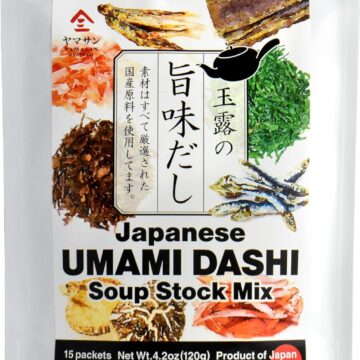
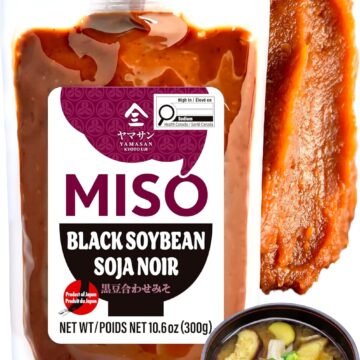


Notes
Miso paste guide:
- White miso (shiro): Sweet, mild, perfect for delicate soups
- Red miso (aka): Bold, salty, aged flavour for heartier versions
- Mixed miso: Combine both for complexity
Nutrition
- Serving Size: 1 pot
- Calories: 350
- Sugar: 1.4 g
- Sodium: 27.4 mg
- Fat: 17.9 g
- Carbohydrates: 13.6 g
- Fiber: 3.1 g
- Protein: 34.6 g
- Cholesterol: 0 mg


Pin the above image to your Delicious Soups Recipe Pinterest Board to bookmark this page. We are so excited to share our recipes with you!
More Chinese Recipes
Chinese Steamed Chicken With Shiitake Mushroom 冬菇蒸雞
Air Fryer BBQ Pork Char Siu 氣炸鍋蜜汁叉燒
Red Bean Soup (Instant Pot) 蓮子百合紅豆沙







Comment Below