
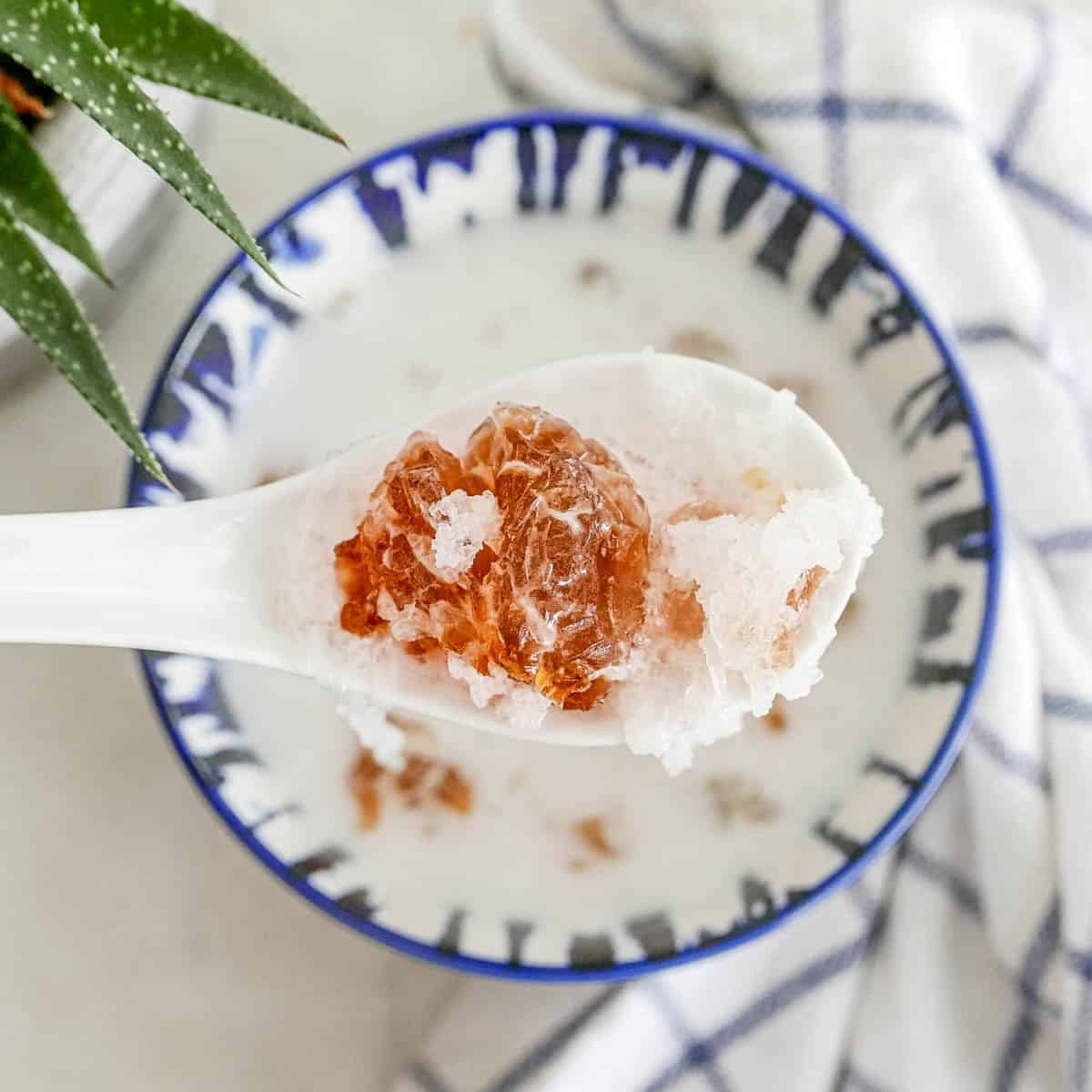
Snow Nest Dessert Soup with Coconut Milk and Peach Gum (椰汁雪燕桃胶糖水): The Ultimate TCM Beauty Tonic. Two tree resins walk into a bowl of coconut milk. What happens next is the most luxurious Chinese dessert soup your skin has ever tasted. Snow nest dessert soup takes the classic peach gum recipe and elevates it with creamy coconut milk and a second type of plant-based collagen. The result is richer, silkier, and twice as effective for that dewy glass skin look. If regular peach gum soup is the everyday beauty tonic, this version is what you make when you're feeling fancy.
Both snow nest and peach gum are tree resins that transform from hard amber chunks into bouncy, translucent jellies after soaking. Combined with coconut milk, they create a dessert that's equal parts indulgent and medicinal. Your grandmother would approve, and so would your dermatologist.
In This Post: Everything You Need to Know About Snow Nest and Peach Gum Soup
This TCM beauty soup isn't your average sweet ending. You'll learn exactly what snow nest and peach gum are (spoiler: both are tree sap), how they differ from expensive bird's nest, and why Traditional Chinese Medicine prizes them for skin health. We're covering the full prep process, from overnight soaking to that final drizzle of coconut milk. By the end, you'll know how to make this collagen-rich dessert at home and understand why doubling up on plant resins gives you better results.
Check out this quick story summary of our recipe!
Jump to:
- In This Post: Everything You Need to Know About Snow Nest and Peach Gum Soup
- What Is Snow Nest?
- Snow Nest vs Bird's Nest: What's the Difference?
- Why Add Coconut Milk?
- Snow Nest and Peach Gum TCM Benefits
- Ingredients and Chinese Herbal Benefits: TCM Properties
- Instructions: How to Make Snow Nest Coconut Milk Peach Gum Dessert Soup
- Frequently Asked Questions (FAQs)
- Other Yin Nourishing Desserts
- > Recipe
- Snow Nest Dessert Soup with Coconut Milk and Peach Gum
What Is Snow Nest?
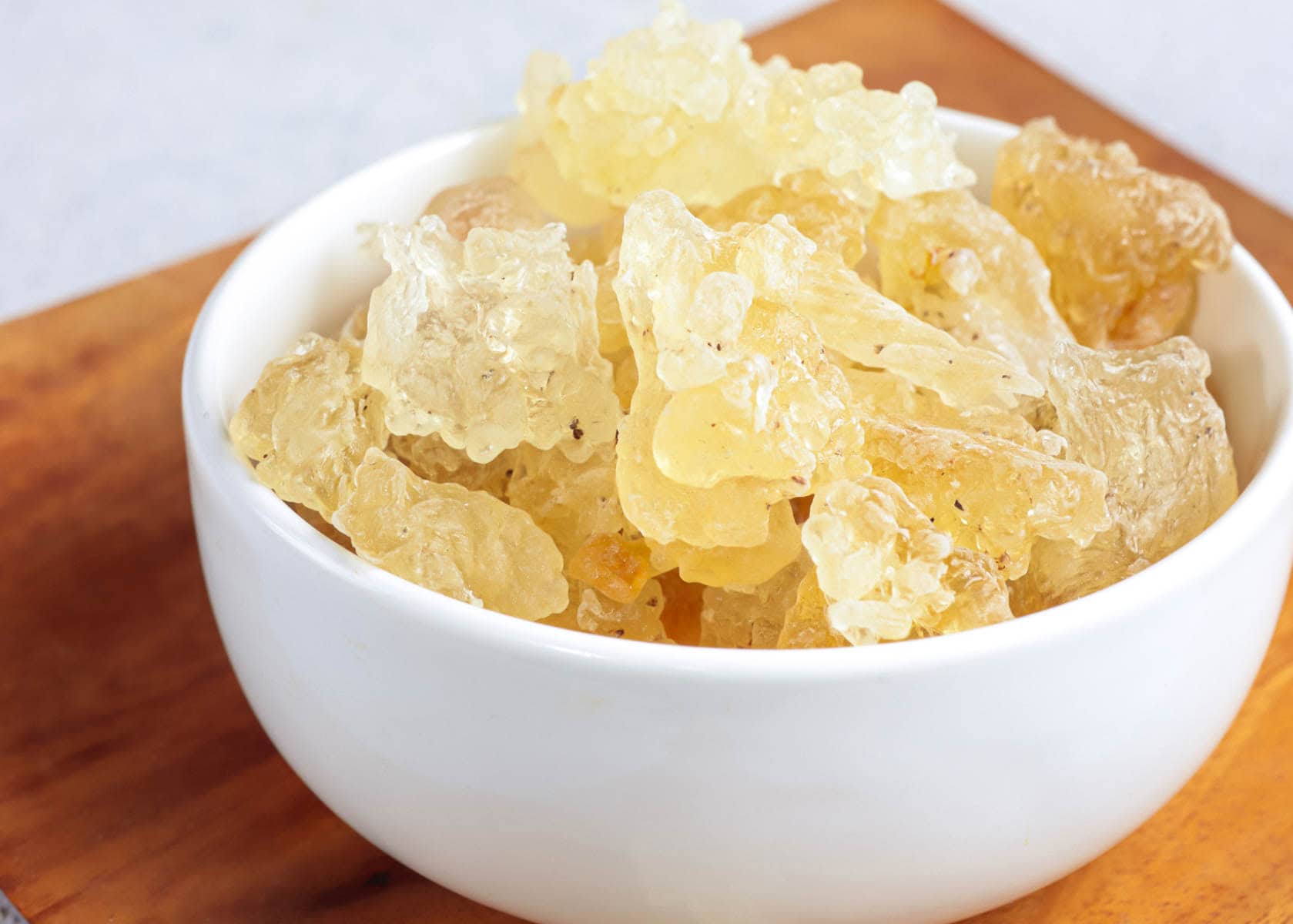
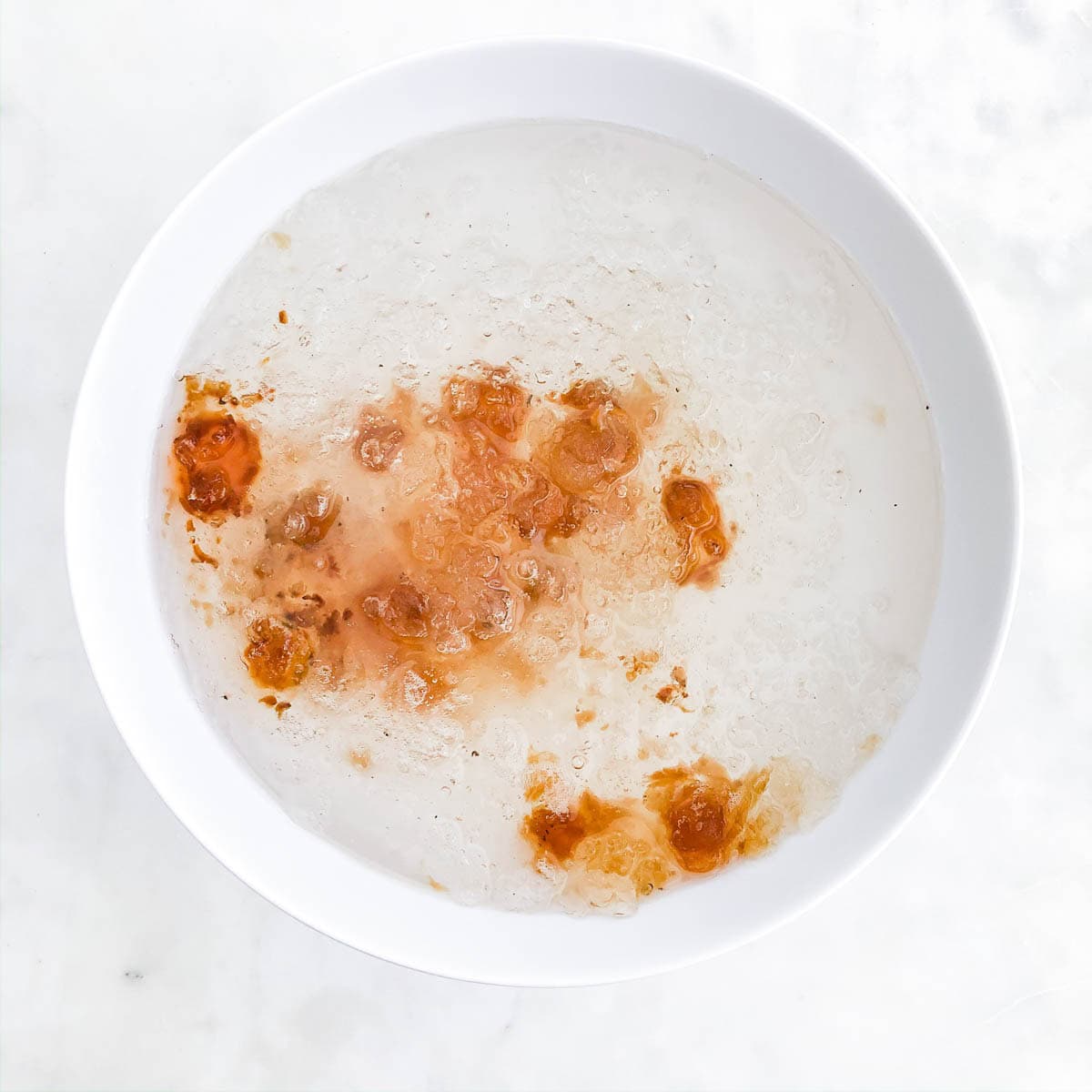
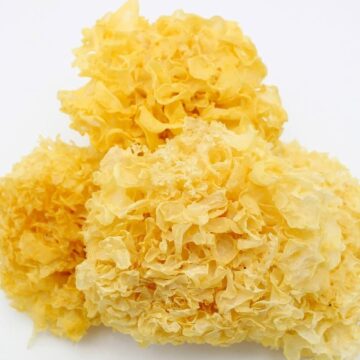
Snow nest (雪燕, Xuě yàn) is a plant gum secreted from the pith and bark of Sterculia trees, usually Sterculia versicolor, villosa or urens. You will also find it sold as tragacanth, which comes from a different plant altogether but behaves much the same once it has been soaked.
The name translates to snow swallow, borrowed from the far pricier bird's nest it starts to resemble after a night in water. No bird has ever been near it.
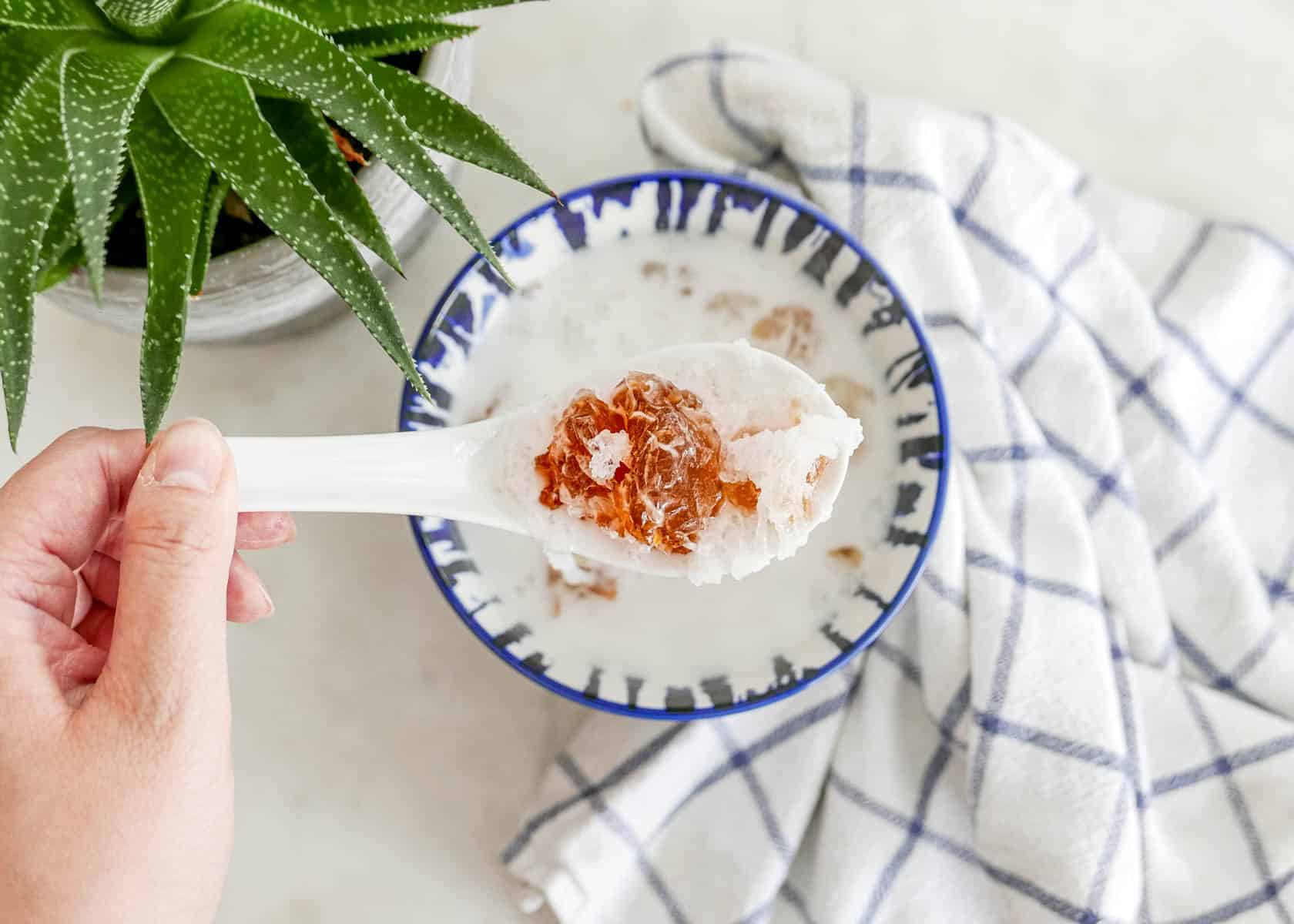
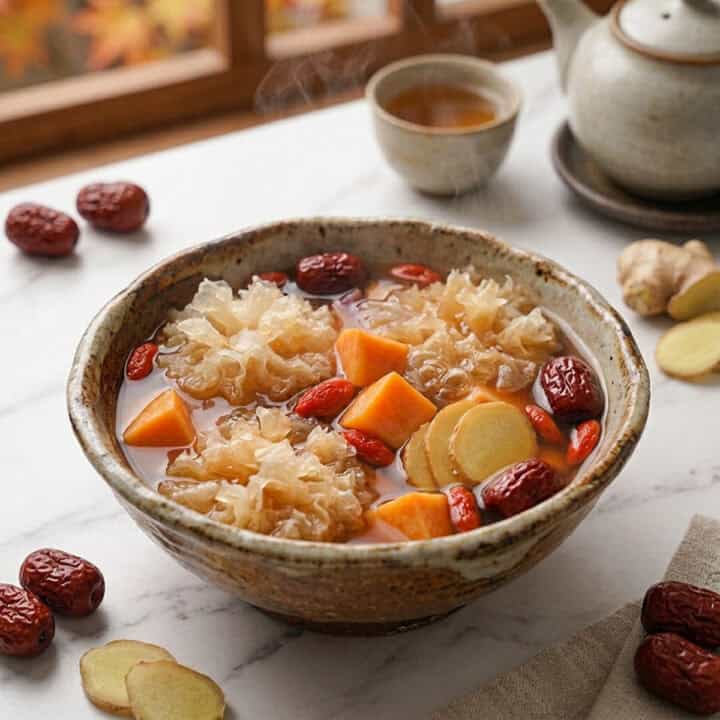
The dried resin looks like pale amber crystals or flakes. After an overnight soak, it expands dramatically and turns into soft, gelatinous pieces with a texture similar to peach gum but slightly more delicate. Snow nest has almost no flavour, which makes it perfect for absorbing the sweetness of rock sugar and the richness of coconut milk.
In TCM, snow nest is sweet and neutral, working to moisten dryness and support skin hydration. It's the affordable alternative to bird's nest with comparable beauty benefits.
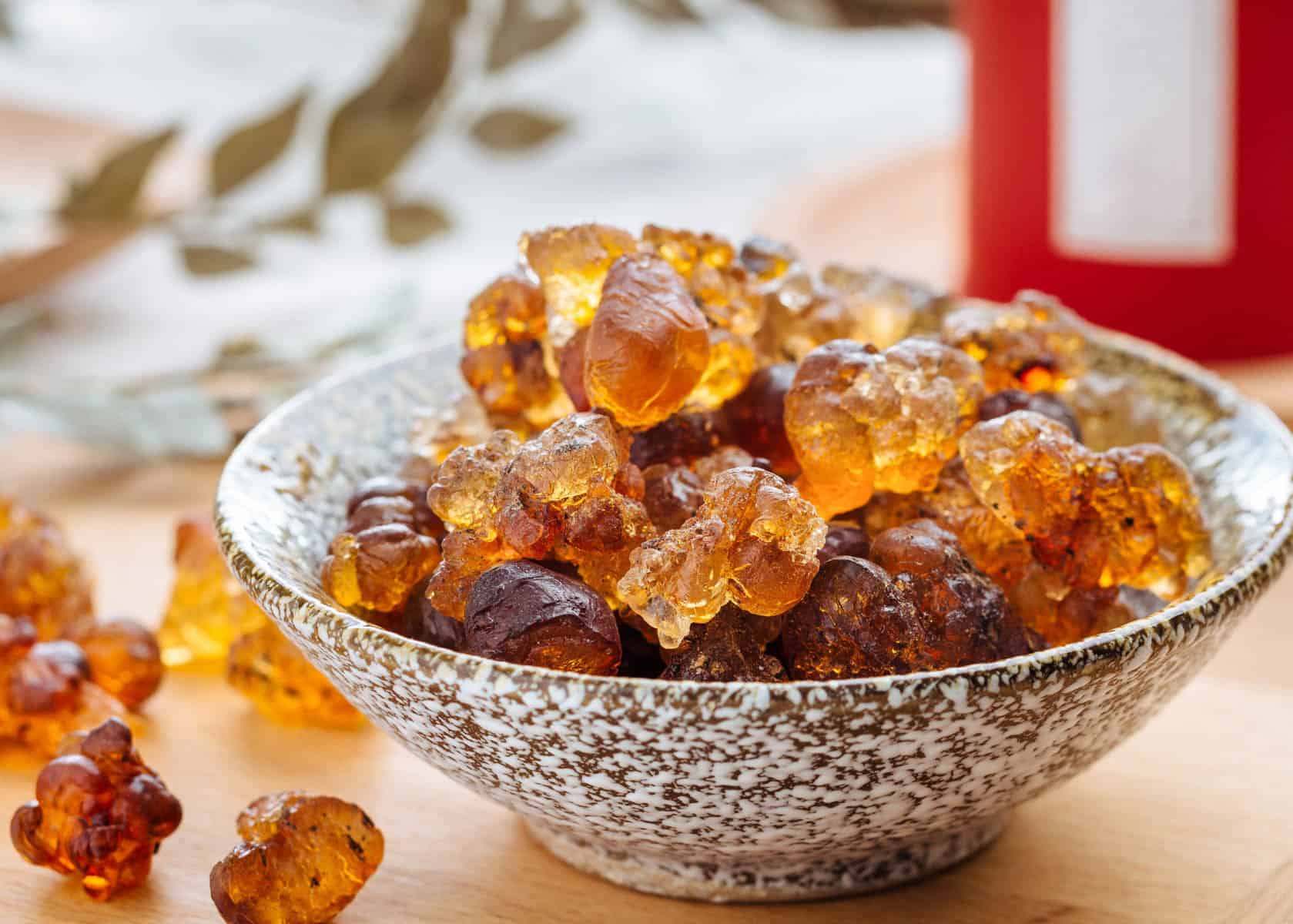
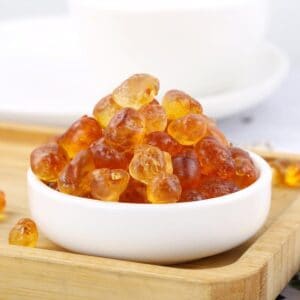
Peach gum (桃胶, Táo jiāo) does the same work from a different tree. It's hardened peach sap, it needs eight hours in water, and it swells to roughly ten times its dry size.
I've covered the sourcing, the soaking and the tedious business of picking out bark bits in my peach gum dessert soup post. What matters here is that the two resins bounce differently. Using both gives you more to chew on.
Snow Nest vs Bird's Nest: What's the Difference?
Bird's nest (燕窝, Yàn wō) is actual swiftlet saliva that these birds use to build their nests. It's harvested from caves or bird houses, cleaned meticulously, and sold at luxury prices. We're talking $100+ per ounce. In TCM, bird's nest is sweet and neutral, targeting the lung, stomach, and kidney meridians with premium yin-nourishing properties.
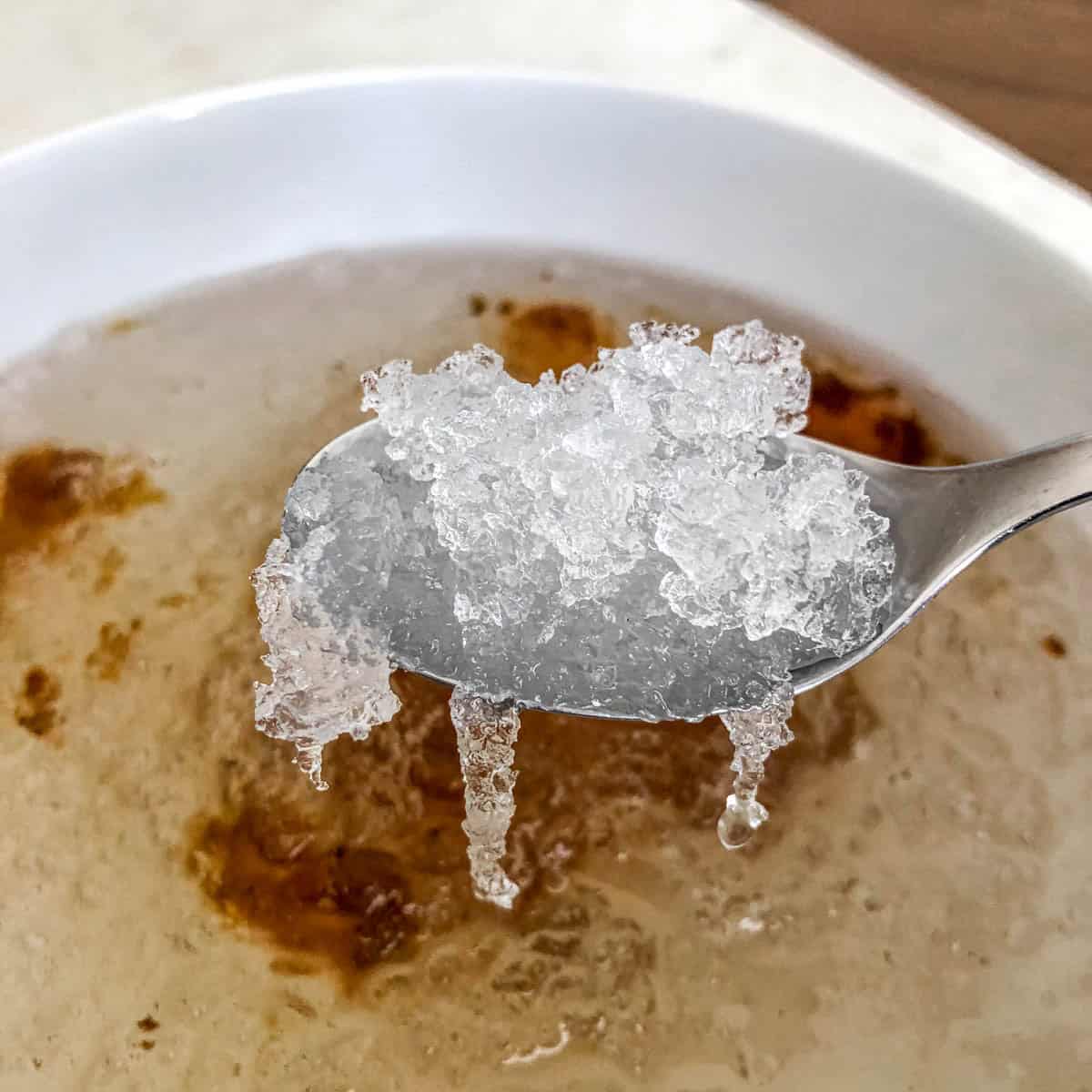
Snow nest comes from trees, not birds. It's a plant-based resin similar to peach gum, much more affordable at around $20-30 for a decent amount. The texture is gelatinous with that signature bounce, and it expands significantly when soaked. TCM properties are similar: sweet, neutral, and moistening.
Both work beautifully in Chinese dessert soups for skin hydration, but snow nest makes way more sense if you're cooking this regularly instead of saving it for special occasions.
Why Add Coconut Milk?
Coconut milk (椰汁, Yē zhī) transforms this soup from light and refreshing to rich and creamy. In TCM, coconut milk is sweet and neutral, invigorating the spleen and kidney while tonifying yin. It's diuretic, reduces inflammation, and adds a luxurious mouthfeel that plain rock sugar water can't match.
The fat content in coconut milk also helps your body absorb the beneficial compounds from the resins. Plus, it tastes incredible. The subtle tropical sweetness pairs perfectly with the neutral snow nest and peach gum, creating a dessert that feels indulgent without being heavy.
Use full-fat coconut milk for the best texture. The light versions work but won't give you that same silky richness.

Snow Nest and Peach Gum TCM Benefits
Traditional Chinese Medicine Properties
Both snow nest and peach gum sit in the sweet and neutral category in TCM, which means they won't heat you up or cool you down. They target similar meridians and work primarily on moistening dryness throughout the body.
Peach gum focuses on the large intestine and bladder meridians. Chinese medicine texts describe it as a substance that "generates fluids and moistens dryness." The classic TCM applications include easing dry coughs, relieving thirst, and addressing constipation caused by internal dryness. Practitioners often recommend it during autumn when environmental dryness affects the lungs and skin.
Snow nest provides similar moistening benefits with an emphasis on skin hydration and beauty. Combined, these two resins amplify each other's effects for maximum yin nourishment.
Modern Health Benefits
The collagen-like polysaccharides in both resins don't magically become your skin's collagen, but they do support hydration at a cellular level. Your skin needs moisture to maintain elasticity and that plump, dewy look people call "glass skin." Regular consumption helps with moisture retention from the inside out.
Joint health benefits extend to both ingredients. The polysaccharides provide lubrication for joints and may ease stiffness, especially the kind that comes with aging or dry climates. Digestive benefits center on gentle relief, with the mucilage content soothing the intestinal lining without irritation.
Women dealing with postpartum recovery, anyone with chronically dry skin, people in dry climates, and those experiencing early signs of aging get the most noticeable results.
Ingredients and Chinese Herbal Benefits: TCM Properties
Core Ingredients
Snow Nest (雪燕, Xuě yàn) - Sweet and neutral, a gum from Sterculia trees rather than a peach tree. Provides plant-based collagen support and a more delicate gelatinous texture than peach gum, targeting skin hydration and internal dryness.
Peach Gum (桃胶, Táo jiāo) - Sweet and neutral, targeting the large intestine and bladder meridians. This resin generates fluids and moistens dryness throughout the body. Peach gum works specifically on skin elasticity, joint lubrication, and relieving internal dryness.
Coconut Milk (椰汁, Yē zhī) - Sweet and neutral, invigorating the spleen and kidney. Coconut milk tonifies yin, reduces inflammation, and adds rich creaminess. The fat content helps absorption of beneficial compounds from the resins.
Red Dates (红枣, Hóng zǎo) - Sweet and warm, for the spleen and stomach. They build blood and qi, and they're doing most of the sweetening before the rock sugar shows up.
Goji Berries (枸杞, Gǒu qǐ) - Sweet and neutral, for the liver and kidney. Add them at the end so they stay red instead of collapsing.
Rock Sugar (冰糖, Bīng táng) - Sweet and neutral. It moistens the lungs, where white sugar mostly adds heat.
Most dry goods ingredients, tools, and supplies can be purchased at local Asian markets, Chinese grocery stores, or Amazon Online. Amazon Prime members receive free shipping and faster delivery times.
Optional Additions
Snow Fungus (银耳, Yín ěr) - Optional, for extra silkiness. It's the star of my papaya snow fungus dessert if you want it doing the heavy lifting.
Lotus Seeds (莲子, Lián zǐ) - Sweet and neutral, targeting the spleen, kidney, and heart meridians. Lotus seeds strengthen the spleen, calm the mind, and add slight bitterness that prevents the soup from becoming cloying.
Instructions: How to Make Snow Nest Coconut Milk Peach Gum Dessert Soup
Prep Your Resins the Night Before
Snow nest and peach gum both need overnight soaking, so you can prep them together. Rinse the dried pieces under cold water, then submerge them in separate bowls with plenty of filtered room temperature water. Both will expand significantly, so use more water than seems reasonable.
Let them sit overnight or at least 8 hours. The hard chunks will transform into soft, translucent jellies. Pick through both resins after soaking and remove any bark bits or dark impurities.
Simmer the Base
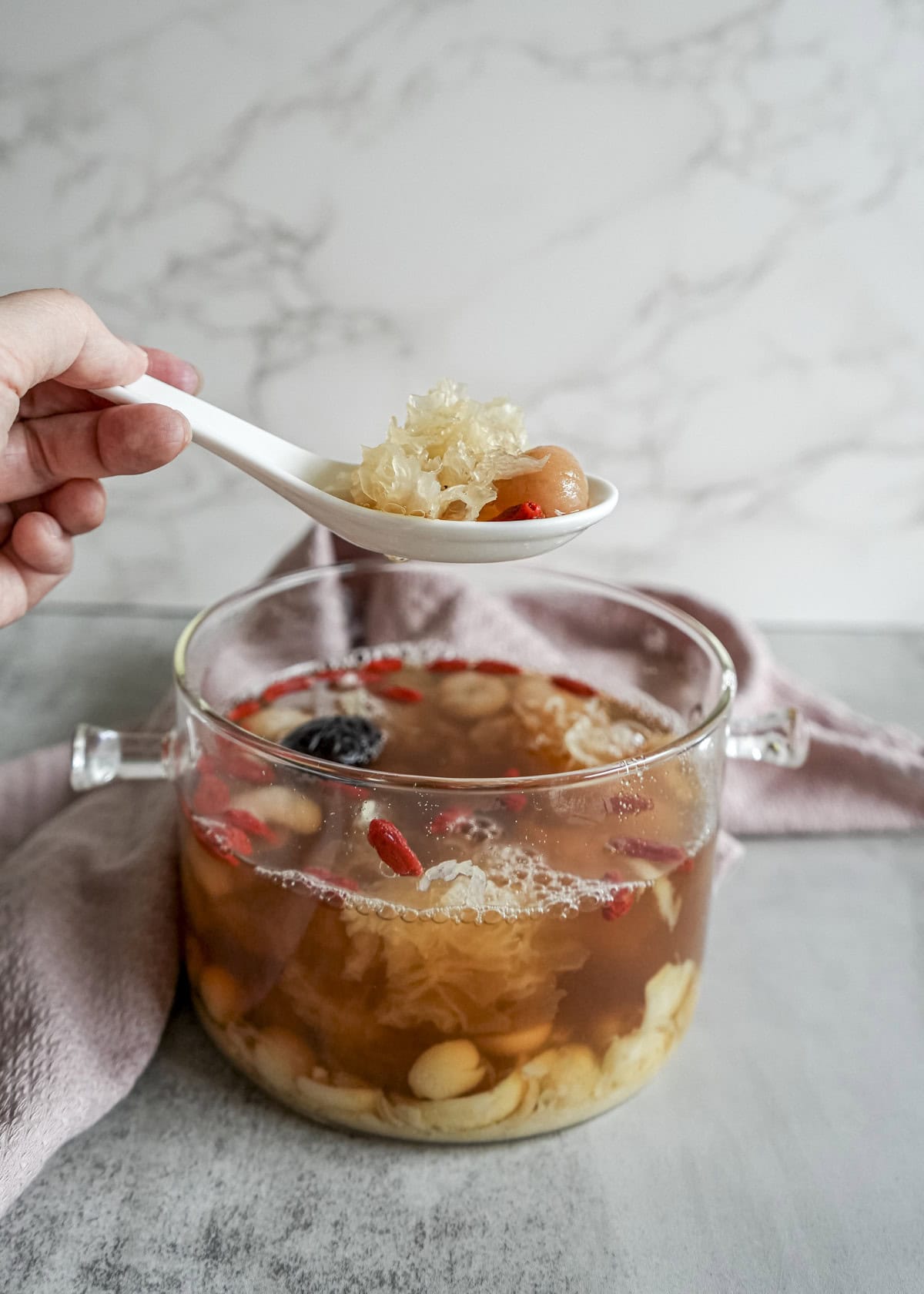
Fill a large pot with about 6 cups of water and bring it to a boil. Add your soaked and drained snow nest, peach gum, and red dates. If you're using snow fungus (torn into smaller pieces) or lotus seeds, add them now too.
Drop the heat to a gentle simmer and let everything cook for 30-40 minutes. Stir occasionally to prevent sticking. The resins should be soft and the liquid slightly thickened.
Add Coconut Milk and Sweeten
Pour in one can (400ml) of full-fat coconut milk during the last 15 minutes of cooking. Stir in rock sugar to taste, starting with less than you think you need. Add goji berries during the final 5 minutes to preserve their bright colour.
Taste and adjust sweetness. The soup should be pleasantly sweet with a rich, creamy texture from the coconut milk.
Serve Hot or Cold
This coconut milk dessert soup works both ways. Ladle it into bowls while warm for a comforting winter tonic. Or let it cool, refrigerate for a few hours, and serve it chilled when temperatures rise. The texture thickens slightly when cold, making it even more luxurious.
Store leftovers in an airtight container in the fridge for up to 4 days.
Frequently Asked Questions (FAQs)
Common Questions About Snow Nest and Peach Gum Soup
You've got questions about soaking tree resin and why anyone would willingly eat it. Fair enough. Here's what people actually want to know about making this coconut milk dessert soup without wasting ingredients or time.
For questions about soaking, storage, how often to eat it and whether it's safe in pregnancy, see the FAQ on my peach gum dessert soup post.
Most Asian grocery stores carry dried snow nest in the dried goods or herbal section. Check T&T Supermarket, Foody Mart, or local Chinese herbal shops. You can also order it online from Amazon.ca or specialty TCM suppliers.
Absolutely. Combining both resins gives you double the collagen-like benefits and more textural variety. The snow nest tends to be slightly more delicate while peach gum has more bounce.
Yes, but you'll have a lighter soup similar to traditional peach gum dessert soup. The coconut milk adds richness, creaminess, and additional TCM benefits. For a dairy-free option that's still creamy, coconut milk is perfect.
You might need more coconut milk or longer simmering time. Use full-fat coconut milk for best results. If the texture is too thin, simmer uncovered for an additional 10-15 minutes to reduce the liquid.
You boiled it. Coconut milk goes in during the last fifteen minutes over a gentle simmer, and it should never see a rolling boil. Full-fat holds together far better than light, which separates if you so much as look at it.
Yes, but thin it with water at roughly three parts cream to one part water. Undiluted cream turns the whole pot to pudding by the next morning, which is fine if pudding is what you wanted.
Other Yin Nourishing Desserts
If this snow nest coconut milk soup hits the spot, explore the rest of the yin-nourishing lineup. Chinese Papaya Dessert with Snow Fungus delivers similar skin benefits with a tropical twist, while Red Bean Soup tackles internal dryness, removes dampness, and strengthens the spleen.
Black Sesame Tang Yuan nourishes the liver and kidneys with warming properties perfect for cooler months. For something targeting dry coughs specifically, try Double-Steamed Snow Pear with Fritillaria Bulb, which moistens the lungs and clears heat.
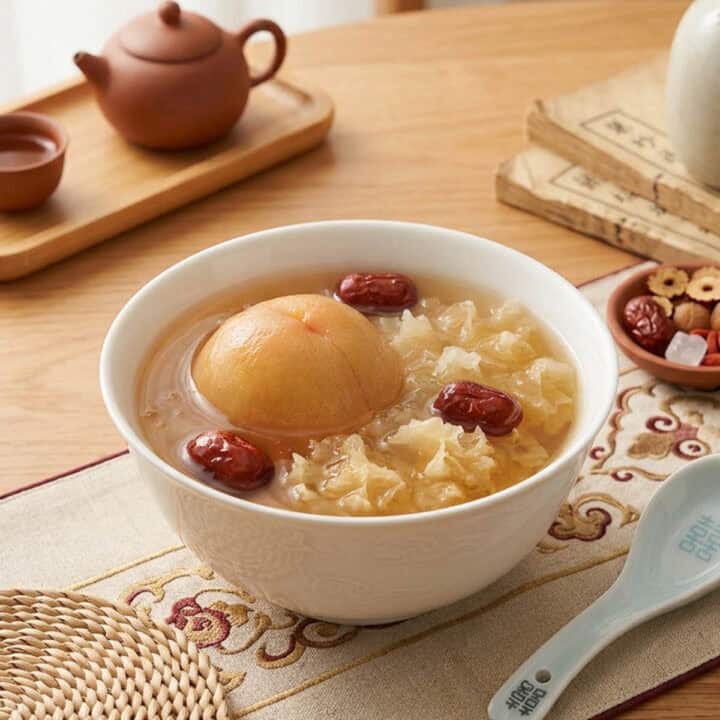
Stewed Peach, Snow Fungus and Red Dates Dessert 桃子银耳羹 - the everyday version when you don't have eight hours to soak resin. Fresh fruit, one head of tremella, ninety minutes start to finish.
These Chinese dessert soups follow the same principle: gentle, sweet, and deeply moistening without being heavy. Your skin, joints, and taste buds will all be happy with the variety.
For more traditional Chinese medicine recipes and seasonal health tips, subscribe to our newsletter and never miss a post!
I'd love to see how you went with my recipes! Leave a comment below or tag me on Instagram @INSTANOMSS #INSTANOMSS.
> Recipe
PrintSnow Nest Dessert Soup with Coconut Milk and Peach Gum
Snow Nest Dessert Soup with Coconut Milk and Peach Gum (椰汁雪燕桃胶糖水): The Ultimate TCM Beauty Tonic - This luxurious Chinese beauty tonic combines two types of tree resin with creamy coconut milk for double the collagen benefits. Sweet, silky, and deeply moisturizing for glowing skin and internal hydration.
- Prep Time: 2 hours 15 minutes
- Cook Time: 1 hour 20 minutes
- Total Time: 3 hours 35 minutes
- Yield: 4 persons 1x
- Category: Dessert
- Method: Boil
- Cuisine: Chinese, TCM
- Diet: Vegan
Ingredients
- 20g dried snow nest (雪燕, Xuě yàn)
- 30g dried peach gum (桃胶, Táo jiāo)
- 10 red dates (红枣, Hóng zǎo), pitted
- 2 tablespoons goji berries (枸杞, Gǒu qǐ)
- 1 can (400ml) full-fat coconut milk (椰汁, Yē zhī)
- 80-100g rock sugar (冰糖, Bīng táng), adjust to taste
- 6 cups (1.5 litres) cold filtered water
Optional Ingredients:
- 15g dried snow fungus (银耳, Yín ěr) for extra silkiness
- 20g dried lotus seeds (莲子, Lián zǐ), cores removed
- 3-4 pieces dried longan (龙眼, Lóng yǎn)
 Get Recipe Ingredients
 Instructions
Prep (Night Before):
- Soak snow nest: Rinse dried snow nest under cold water. Place in a large bowl and cover with plenty of room temperature water (it expands significantly). Soak overnight or at least 8 hours.
- Soak peach gum: In a separate bowl, rinse dried peach gum and cover with room temperature water. Use more water than seems necessary as it swells to 10x its size. Soak overnight or at least 8 hours.
- Soak optional ingredients: If using snow fungus, soak for 1 hour until fluffy. If using lotus seeds with green cores, soak for 2 hours then remove the bitter cores.
Cooking Day:
- Clean soaked resins: Drain snow nest and peach gum separately. Pick through both carefully to remove any dark bark pieces, stems, or impurities. The resins should be translucent and soft. If using snow fungus, drain it, trim off the tough yellow base, and tear into bite-sized pieces.
- Bring water to boil: In a large pot, bring 6 cups of water to a rolling boil over high heat.
- Add main ingredients: Add the cleaned snow nest, peach gum, and red dates to the boiling water. If using snow fungus, and lotus seeds, add them now.
- Simmer: Reduce heat to low and simmer gently for 30-40 minutes, stirring occasionally to prevent sticking. The resins should be completely soft and the liquid slightly thickened.
- Add coconut milk: Pour in the full can of coconut milk during the last 15 minutes of cooking. Stir well to combine. The soup should turn creamy and pale.
- Sweeten: Stir in rock sugar to taste, starting with 80g. Let it dissolve completely, then taste and adjust. The sweetness should complement the coconut milk without being cloying.
- Add goji berries: Toss in goji berries during the final 5 minutes of cooking to preserve their bright red color and prevent them from becoming mushy.
- Final taste check: Check sweetness and consistency. If too thin, simmer uncovered for another 5-10 minutes to reduce. If too sweet, add a splash of water.
- Serve: Ladle into bowls and serve warm for a comforting winter tonic, or cool to room temperature and refrigerate for 2-4 hours to serve chilled in warmer weather.
Equipment
 Buy Now →
  Buy Now →
  Buy Now →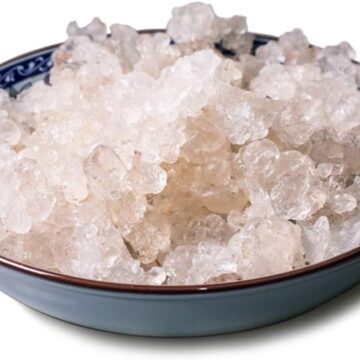
Gum Tragacanth Snow Swallow Snow Nest
Buy Now → Buy Now →
  Buy Now →
 Notes
Storage: Store leftovers in an airtight container in the refrigerator for up to 4 days. The soup will thicken considerably when chilled due to the coconut milk and resins. Do not freeze as the texture becomes grainy and unpleasant when thawed.
Substitutions:
- No snow nest? Double the peach gum amount for similar texture
- No coconut milk? Use almond milk or oat milk, though you'll lose the TCM spleen-tonifying benefits
- Light coconut milk? Works but won't be as creamy or rich
- No rock sugar? Raw honey can be used but add after cooking when soup has cooled to below 40°C to preserve nutrients
- Can't find red dates? Use dried figs or honey dates (蜜枣) instead
TCM Tips:
- Best consumed 2-3 times per week for beauty and postpartum recovery benefits
- Serve warm during autumn and winter for maximum moistening effect
- Serve chilled during late summer or early autumn for heat-clearing properties
- Excellent for postpartum mothers to replenish fluids and nourish blood
- Avoid if you have active cold, flu, or excess dampness (feeling heavy, bloated)
- Not recommended during San Fu Period (peak summer) due to richness
Texture Notes: You're aiming for multiple textures: bouncy snow nest, slightly firmer peach gum, creamy coconut milk base, and plump goji berries. The soup should be silky but not gluey. If it's too thick after refrigeration, stir in a splash of water or coconut milk before serving.
Ingredient Quality: Choose pale yellow or translucent dried snow nest and peach gum. Avoid pieces that are very dark or smell musty. High-quality resins will expand evenly and cleanly without leaving excessive debris.
Nutrition
- Serving Size: 1 pot
- Calories: 263
- Sugar: 24.6 g
- Sodium: 248.1 mg
- Fat: 14.3 g
- Carbohydrates: 35.3 g
- Fiber: 7.8 g
- Protein: 2.4 g
- Cholesterol: 0 mg

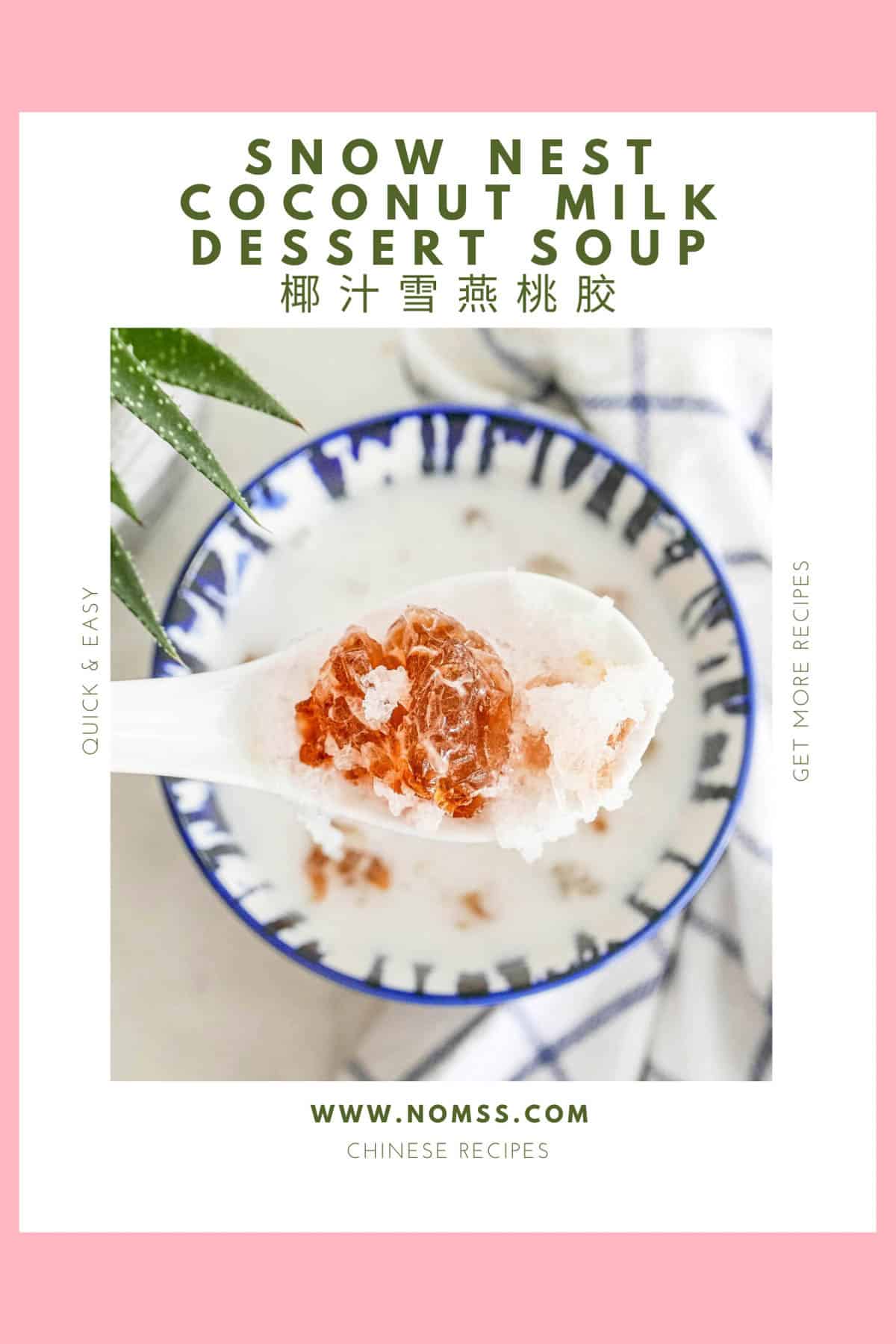
Pin the above image to your Chinese Medicinal Food Therapy TCM Recipe Pinterest Board to bookmark this page. We are so excited to share our recipes with you!
More Chinese Recipes
Chinese Steamed Chicken With Shiitake Mushroom 冬菇蒸雞
Air Fryer BBQ Pork Char Siu 氣炸鍋蜜汁叉燒
Red Bean Soup (Instant Pot) 蓮子百合紅豆沙






Comment Below