
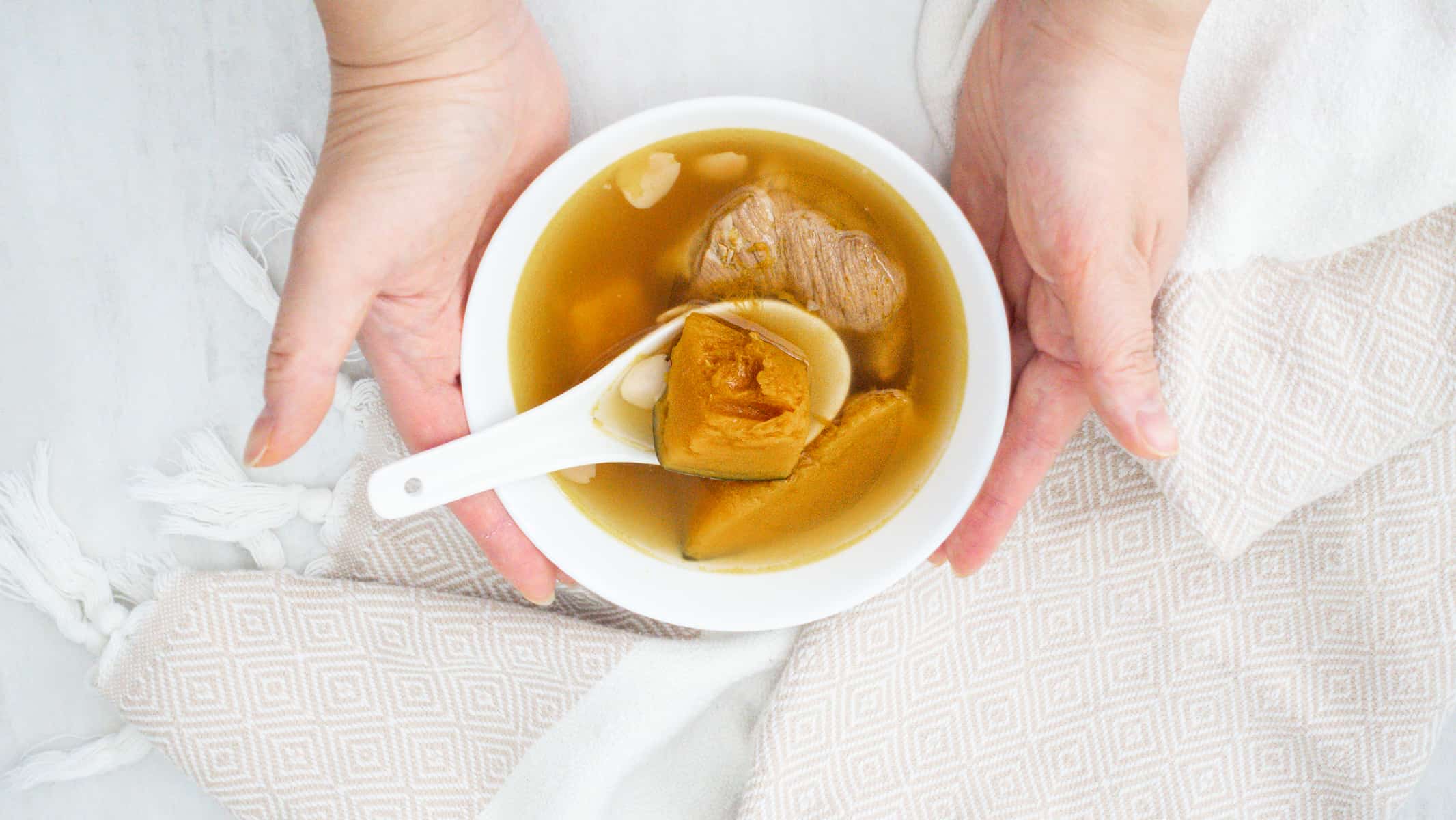
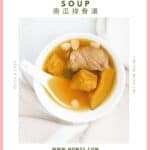
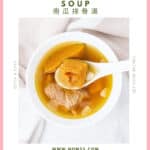
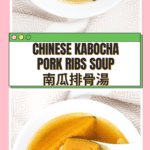
This authentic Chinese Kabocha Pork Ribs Soup (南北杏南瓜排骨湯) is a traditional TCM recipe that boosts your immune system while delivering incredible fall comfort. Learn how to make this easy kabocha pork soup in just 90 minutes - you'll have tender pork ribs swimming in a naturally sweet, nourishing slow simmered bone broth soup loaded with Japanese squash. This is the healing double-boiled soup recipe every Cantonese household makes during autumn - and now you can too! Let me show you exactly how to create this family-favourite immune-boosting fall soup.
> In This Post: Everything You'll Need For Best Kabocha Soup Recipe With Pork Ribs
After perfecting these easy Kabocha squash recipes like Dim Sum Steamed Spare Ribs with Black Beans and Air Fried Crispy Kabocha Seeds, making the moisturizing Japanese pumpkin kabocha pork ribs soup with pork bones was on my mind! After all, this kid-friendly sparerib dish is an absolute favourite mom's recipe every Cantonese household makes during Autumn! I could quickly drink 3 large bowls of this Chinese homemade herbal bone broth to boost immune system!
Check out this quick story summary of our recipe!
Jump to:
- > In This Post: Everything You'll Need For Best Kabocha Soup Recipe With Pork Ribs
- Why You'll Love This Kabocha Pork Rib Soup
- Why These Three Ingredients Work Together
- Optional Ingredients: Flavour Enhancers
- Ingredients and Substitutes
- Kabocha vs Butternut Squash: Which is Better for Soup?
- How To Make Kabocha Soup
- Instructions - Step-by-Step Cooking Method
- Troubleshooting Common Issues
- Storage, Meal Prep Guide, and Make-Ahead Tips
- Frequently Asked Questions (FAQs)
- What To Serve With Pumpkin Soup Recipe
- > Recipe
- Best Kabocha Pork Rib Soup Recipe (Traditional Chinese)
Why You'll Love This Kabocha Pork Rib Soup
- Naturally immune-boosting - TCM herbs like apricot kernels moisturize lungs and support respiratory health
- Fall-off-the-bone tender pork - Low and slow simmering creates melt-in-your-mouth ribs
- No chopping required - Everything goes in whole or in large chunks
- Freezer-friendly - Make a big batch for easy weeknight meals
- Kid-approved taste - The natural sweetness from kabocha makes this a family favorite
Why These Three Ingredients Work Together
There's actual wisdom behind kabocha pork rib soup and why kabocha squash, pork ribs, and apricot kernels create such a healing, harmonious bowl. Traditional Chinese Medicine has understood the healing properties of TCM herbs for over 2,000 years, and modern food science backs it up!
Kabocha Squash (南瓜, Nánguā) - This Japanese pumpkin is your natural sweetener and nutrient powerhouse. Unlike butternut squash that can turn mushy, kabocha's dense, starchy flesh holds its shape beautifully during the 90-minute simmer, offering that perfect tender-but-not-falling-apart texture. Its high beta-carotene content actually increases when cooked in fat (from the pork), making this medicinal soup more nutritious than raw kabocha alone. The natural sugars in the squash balance the savoury pork broth without needing added sugar, while its soluble fibre creates that silky, satisfying mouthfeel that makes you want another bowl. This is one of my favourite autumn soup recipes! In TCM terms, kabocha is "sweet and warm," nourishing the spleen and stomach meridians. This means it strengthens digestion and builds Qi (vital energy) - perfect for the fall soup season when our bodies need extra support against cold weather.
Pork Ribs (排骨, Páigǔ) - The bone-in pork ribs are essential, not just for flavour but for building a mineral-rich bone broth. As the ribs simmer, collagen breaks down into gelatin, giving the kabocha pork ribs soup body and that gorgeous glossy sheen. This silky, collagen-rich broth is the beginning of comforting autumn flavours.
The marrow releases calcium, phosphorus, and magnesium into the broth. The meat itself provides nourishing protein and B vitamins, while the fat carries fat-soluble vitamins from the squash and herbs, making every nutrient more bioavailable. That's why we don't skim all the fat - you need some to extract and carry flavours! The long, slow simmer transforms tough connective tissue into fall-apart tender meat that melts on your tongue. Each rib becomes a vehicle for the sweet squash and herbal flavours to cling to. For more ways to cook fall-apart tender pork ribs, try these Honey Garlic Pork Ribs in the Air Fryer - completely different cooking method, equally delicious results!
Homemade kabocha pork ribs soup is a great base for Cantonese soup recipes such as Si Shen Tang 四神湯 by adding a rich, umami depth that enhances the nourishing qualities. Nourishing bone broth benefits include its richness in collagen, minerals, and amino acids, which help support joint health, strengthen bones, and improve skin elasticity. Drinking this nutrient-dense broth regularly can also aid digestion, enhance immunity, and promote overall vitality.
Apricot Kernels (南北杏, Nánběi xìng) - These small TCM herbs are the secret weapon that elevates this from "soup" to "medicine." North and south apricot kernels contain amygdalin compounds that, when cooked, help moisten the lungs and suppress coughs. These herbal ingredients add a subtle, almost almond-like sweetness that deepens the soup's complexity without overwhelming the delicate kabocha flavour. Think of them as the bridge ingredient that ties everything together. In Chinese medicinal cooking, apricot kernels specifically target the lung meridian, making this soup particularly beneficial during dry fall weather when respiratory issues spike. They work synergistically with the warm nature of kabocha to prevent autumn dryness while the pork nourishes the body's Yin.
Together, these three ingredients hit different flavour notes and create perfect harmony: the sweet squash, the savoury pork, the subtly nutty herbs. The textures play off each other too - creamy squash, tender meat, clear silky broth. It's why this humble soup never feels boring, even when you make it every week during soup season. Each spoonful delivers comfort, nutrition, and that deeply satisfying feeling that you're truly nourishing your body from the inside out.
Optional Ingredients: Flavour Enhancers
Want to customize your kabocha pork ribs soup or boost specific health benefits? These optional add-ins work beautifully with the base recipe without overwhelming the delicate squash-pork harmony. Add one, two, or all of them depending on what your body needs!
Red Dates (紅棗 Jujubes) - These wrinkled ruby gems are TCM superstars for building blood and calming the spirit. They add a subtle caramel-like sweetness that deepens the soup's complexity while supporting energy levels. Red dates are particularly beneficial if you're feeling fatigued or recovering from illness. Simply rinse and add them whole at the beginning of cooking - they'll plump up beautifully and can be eaten or left for extra flavour extraction.
TCM benefit: Nourishes blood, strengthens spleen, calms mind
Goji Berries (枸杞子 Wolfberries) - These bright orange berries are your vision-supporting, immune-boosting friends. Unlike red dates that go in early, add goji berries in the LAST 10 minutes of cooking to preserve their delicate vitamins and prevent them from dissolving completely. They'll float on top like little jewels, adding pops of sweet-tart flavour. Bonus: they make your soup Instagram-worthy!
TCM benefit: Nourishes liver and kidneys, brightens eyes, boosts immunity
Dried Shiitake Mushrooms (冬菇) - Here's where umami levels skyrocket! Dried shiitakes (not fresh) contain concentrated glutamates that transform your broth from "nice" to "restaurant-quality." Soak them in warm water for 20 minutes until soft, then slice and add both the mushrooms AND the soaking liquid to your pot. The soaking water is liquid gold - don't waste it! This addition works especially well if you're using leaner pork cuts.
Food science: Contains eritadenine compounds that support cardiovascular health
TCM benefit: Boosts Qi, supports immune function
Try these mushrooms in another nourishing soup: Chinese Winter Melon Soup with Shiitake
Sweet Corn (玉米) - Corn on the cob adds natural sweetness AND creates multiple layers of texture in your bowl. The kernels pop with sweetness, the cob itself releases starchy goodness that slightly thickens the broth, and gnawing on a corn round after you've finished your soup is pure comfort food joy. Use fresh corn when in season (summer-fall) or frozen corn rounds year-round. This is a kid-favourite addition!
TCM benefit: Harmonizes stomach, promotes urination, mild and neutral nature
Carrots (紅蘿蔔) - Orange meets orange! Carrots add earthy sweetness and boost your beta-carotene levels even higher. Cut them into 2-inch chunks so they don't dissolve into mush. They'll soften beautifully while maintaining their shape, adding that satisfying bite variety. Carrots also make the broth slightly sweeter and more vibrant in colour - perfect if you're serving this to vegetable-resistant kids.
Food science: Cooking carrots with fat (pork) increases carotenoid absorption by 600%
Chinese Yam (淮山 Huai Shan) - This isn't your Thanksgiving sweet potato! Chinese yam (Dioscorea) comes in dried white slices and create a slightly thick, starchy broth while supporting digestive health. It's particularly good if you have a sensitive stomach or poor appetite. Rinse the dried slices and add them at the beginning. They'll soften into tender, slightly slippery pieces that absorb the soup's flavours beautifully.
TCM benefit: Strengthens spleen and stomach, nourishes lung Yin, tonifies kidneys
Dried Scallops (瑤柱 Conpoy) - If you want to take this soup to luxurious, special-occasion status, add dried scallops. These umami bombs will transform your broth into something that tastes like you spent all day building flavour layers. They're expensive, but a little goes a long way. Just rinse briefly and drop them in - they'll shred apart during cooking and disappear into the broth, leaving behind incredible depth.
Pro tip: Save this for when you're feeling under the weather or celebrating something special
Lotus Root (蓮藕) - For textural excitement, lotus root is your answer. These beautiful perforated rounds (they look like wheels!) stay crisp-tender even after long cooking. They absorb flavours while maintaining a satisfying crunch that contrasts perfectly with soft squash and tender pork. Peel, slice into ½-inch rounds, and add them 30 minutes before the soup is done.
TCM benefit: Cools heat, stops bleeding, benefits spleen and stomach
Discover more lotus root magic in this Traditional Pork Bone Soup with Lotus Root - incredible texture!
How to Decide What to Add
- For immune support during cold season - Add goji berries + shiitake mushrooms
- For digestive issues - Add Chinese yam + red dates
- For maximum kid appeal - Add sweet corn + carrots
- For energy and blood building - Add red dates + goji berries
- For special occasions - Add dried scallops + shiitake mushrooms
- For texture lovers - Add lotus root + corn
Pro Tip: Don't add more than 3-4 optional ingredients at once. You want to enhance the soup, not create confusion. The kabocha and pork should still be the stars!
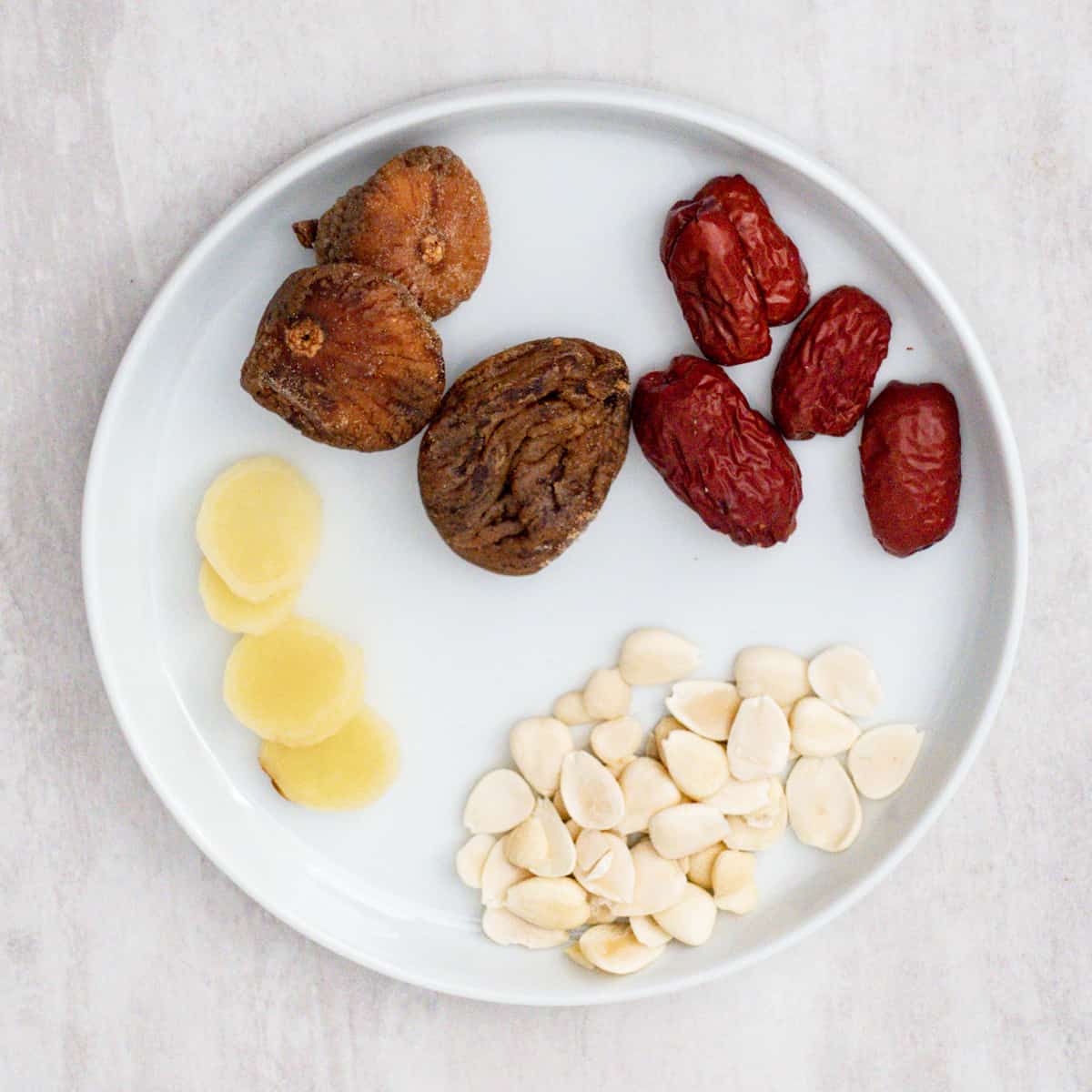
Ingredients and Substitutes
- Whole Kabocha Squash
- Pork Ribs or Pork Bones - Pork Shank 豬展 Pork Tenderloin 瘦肉
- Apricot Kernels 南北杏
- Fresh Figs or Dried Figs 無花果
- Fresh Ginger Slices 生薑
- Sea Salt or Kosher Salt
Most dry goods ingredients, tools, and supplies can be purchased at local Asian markets, Chinese grocery stores, or Amazon Online. Amazon Prime members receive free shipping and faster delivery times.

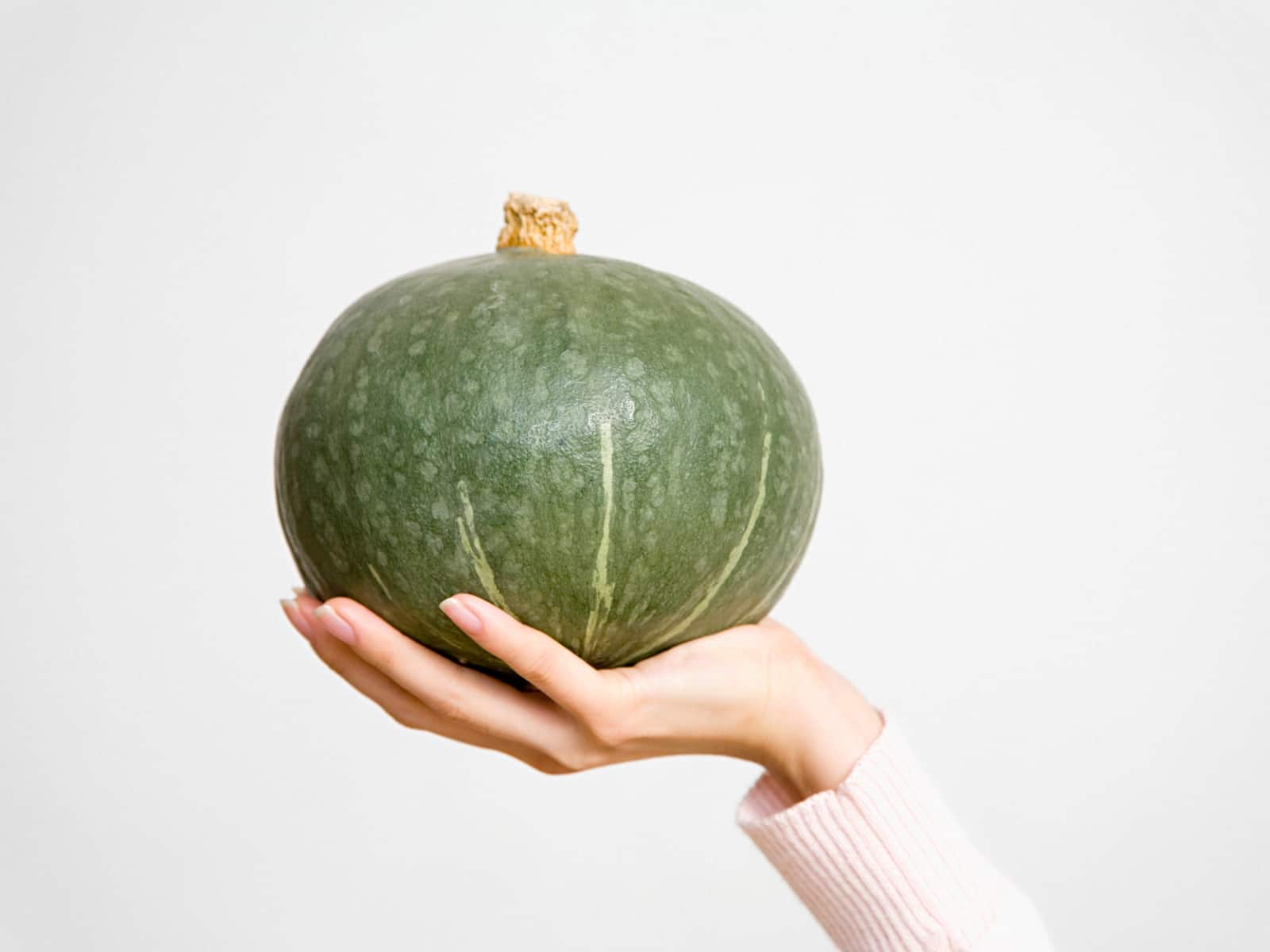
What is Kabocha Squash?
Kabocha (/kəˈboʊtʃə/; Japanese カボチャ, Chinese 南瓜) - is a type of Japanese pumpkin that is short and stubby. It is often referred to as winter squash. Compared to the traditional American pumpkin, its skin is thin and edible. The comforting autumn flavours of Kabocha is nutty and subtly sweet.
The Kabocha squash is sweeter than butternut squash and has a soft, fluffy texture like sweet potatoes. They are an excellent vehicle to soak up saucy dishes like this Hong Kong Dim Sum Pumpkin and Pork Ribs with Black Bean Sauce.
This Japanese pumpkin is healthier than regular orange pumpkins because they are richer in Vitamin C, pyridoxine, and thiamin. These winter pumpkins' health benefits include a good source of folic acid, beta carotene, and calcium, improving blood sugar levels.
In traditional Chinese Medicine, these Asian pumpkins are sweet and warm in nature. It belongs to the spleen and stomach meridians, invigorates Qi, moistens the lungs and reduces cough. It also helps to deworm, and detoxify, is a diuretic, corrects menstrual cycles, reduces constipation and improves vision. This vegetable is perfect for seasonal cooking in the Fall.
The main ingredient, winter squash, is loaded with soluble fibre and has a natural sweetness, perfect for making vegetable soup during cold months.
Kabocha vs Butternut Squash: Which is Better for Soup?
Many home cooks wonder about kabocha vs butternut squash when making Asian soups. While both are winter squash varieties, kabocha is the superior choice for this Chinese pork rib soup. Kabocha squash is naturally sweeter than butternut squash, with a dense, chestnut-like flavor that complements the savory pork broth beautifully.
The key difference? Kabocha holds its shape perfectly during the 90-minute simmer, maintaining that satisfying bite in every spoonful, while butternut squash tends to break down and become mushy.
Unlike butternut squash that requires peeling (adding 10 minutes of prep time), kabocha's thin skin is completely edible and becomes tender during cooking. From a nutritional standpoint, kabocha contains higher levels of beta-carotene and vitamin C than butternut. If you can't find kabocha at your local Asian market, butternut squash works as a substitute - just cut it into larger chunks (3-inch pieces) and expect a slightly softer texture and milder sweetness. For the most authentic Chinese soup experience, always choose kabocha when available.
How To Make Kabocha Soup
This traditional Chinese soup is surprisingly simple to make. The key is patience during the simmering stage - that's when all the magic happens! Follow these detailed steps for perfectly tender pork ribs, naturally sweet kabocha squash, and a crystal-clear, nourishing broth.
The difference between a crystal-clear, restaurant-quality Chinese pork soup and a murky, heavy broth often comes down to technique. These steps honour the traditional Cantonese cooking double-simmering philosophy, which transforms simple ingredients into deeply nourishing medicine. The method preserves the natural sweetness of kabocha while extracting maximum collagen and minerals from the pork bones, creating that coveted silky mouthfeel that defines excellent Chinese soup.
Follow this stove-top method sequence exactly for best kabocha pork ribs soup recipe that tastes as healing as it is delicious.
- Rinse and Soak the Dried Herbs
- Parboil the Pork Ribs Properly
- Select the Proper Cooking Vessel
- Prepare Ingredients in the Correct Order
Instructions - Step-by-Step Cooking Method
Place the apricot kernels (南北杏) and dried figs in a small bowl and cover with room temperature water for exactly 20 minutes. This hydrates the herbs and releases surface impurities from the drying process without leaching out their precious medicinal compounds. You'll notice the soaking water turns slightly cloudy; that's the dust and debris being drawn out. After 20 minutes, drain completely and rinse under cool running water until the water runs clear. Pat dry and set aside.
Over-soaking (beyond 30 minutes) causes the apricot kernels to release excessive amygdalin compounds that can make the soup taste bitter and overwhelm the delicate squash sweetness.
First, wash the pork ribs, pork shank or tenderloin with cold water and pat dry with a kitchen paper towel. No need to cut the pork ribs into small pieces unless your pot is not big enough.
This single step separates amateur soup from professional Chinese restaurant quality. Place your pork ribs in a medium pot and cover with cold water by 2 inches. Bring to a rolling boil over high heat without covering the pot. You want to see vigorous bubbles and gray-brown foam rising aggressively to the surface. This scum contains blood proteins, bone fragments, and impurities that would cloud your broth and create an unpleasant metallic aftertaste.
Boil for exactly 3-5 minutes (no less, or impurities remain; no more, or you begin cooking the meat prematurely), then drain immediately in a colander. Rinse each rib thoroughly under cold running water while gently rubbing the surface with your hands to remove the slimy coating of coagulated proteins. You should feel the ribs become clean and slightly tacky rather than slippery. This parboiling process is non-negotiable in authentic Cantonese soup-making. If you skip it, and you'll never achieve that coveted glass-clear broth!
Choose a large ceramic pot, glass, or enamel-coated pot that holds at least 4-5 quarts (never pure stainless steel or aluminum when working with TCM herbs).
Traditional Chinese medicinal cooking wisdom holds that certain herbal compounds react with reactive metals, potentially diminishing therapeutic properties and creating off-flavours. Clay pots are ideal as they distribute heat evenly and retain warmth longer, allowing for gentler, more consistent extraction of nutrients.
If you must use metal, enamel-coated cast iron creates an acceptable barrier. The vessel should be tall rather than wide to minimize evaporation and maintain proper liquid-to-ingredient ratios throughout the 90-minute simmer.
Proper layering creates optimal heat distribution and flavour extraction.
First, arrange parboiled pork ribs in a single layer on the pot bottom. This allows maximum contact with the heat source for collagen breakdown. Remember "gentle heat for tender meat."
Next, add smashed ginger slices (never minced, which releases too much sharpness), followed by the soaked herbs in the middle layer where they'll steep gradually without direct bottom heat.
Place kabocha chunks on top last; their weight gently presses everything below while their position near the surface prevents over-softening into mush.
This vertical arrangement ensures every ingredient cooks at its ideal rate while allowing flavours to cascade downward through the broth as they release.
Pro Tip: Add other root vegetables like carrots and sweet corn to the pot if desired for added sweetness.
Pro tip: If you're using red dates or goji berries (optional ingredients), add the red dates now, but don't add goji berries until the last 10 minutes of cooking!

Place your pot over high heat, uncovered. Bring everything to a full rolling boil - you should see large bubbles breaking the surface. This takes about 8-10 minutes depending on your stove.
As it comes to a boil, you might see a little bit of foam forming on top even though you parboiled the ribs. This is normal - it's just residual proteins. Skim it off with a ladle or fine-mesh strainer if you're a perfectionist, but honestly, it's not necessary. Most of it will settle or incorporate into the soup.
Once you've achieved a full boil, immediately reduce the heat to low or medium-low. You want a gentle simmer - small bubbles occasionally breaking the surface, not a vigorous boil.
Cover the pot with the lid slightly ajar (leave a small gap for steam to escape). This prevents the broth from reducing too much while still allowing slow evaporation for flavour concentration.
Now set a timer for 90 minutes and let the soup do its thing!
Season with salt.
The kabocha pork ribs soup should taste naturally sweet from the kabocha and slightly savoury from the pork, with the salt just enhancing everything.
We keep it minimal. The natural sweetness of the squash, the richness of the pork, and the subtle herb flavours should shine through. If your broth tastes bland, add salt in ¼ teaspoon increments until it tastes balanced - usually no more than 1 teaspoon total.
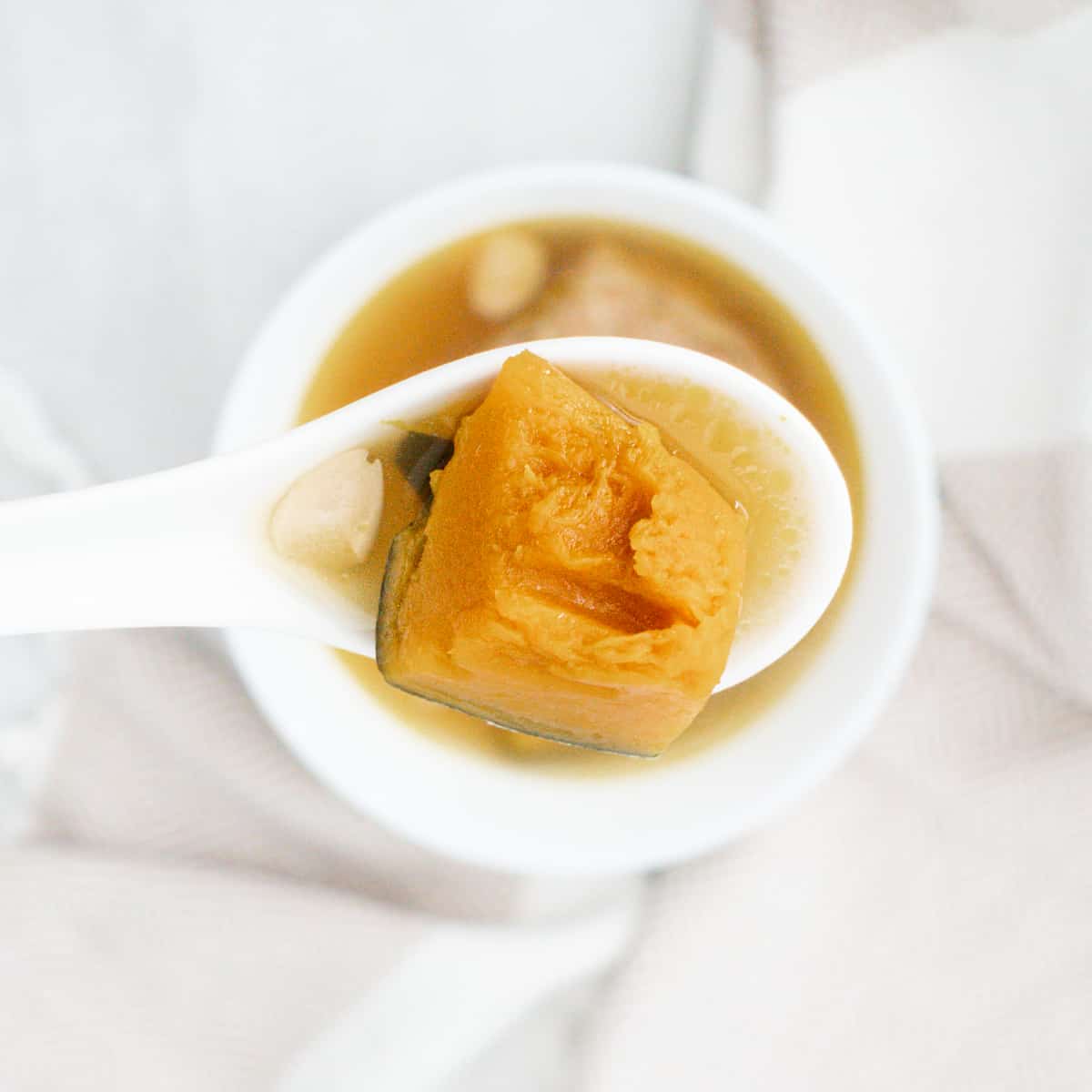
How do you know it's ready? The pork should be fall-off-the-bone tender when pierced with a fork, the kabocha should be soft but still holding its shape, and the broth should look clear with a slight golden tint.
Serve and enjoy hot!
Serving style:
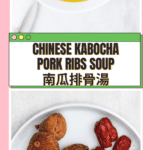
Traditional Cantonese way: Ladle the clear broth into individual bowls. Serve the pork ribs, kabocha chunks, and any vegetables in a separate serving plate with a small dish of Chinese Chili Soy Dipping Sauce on the side. Everyone drinks the soup first, then eats the solids. It's the perfect nourishing one-pot meal!
Family-style: Ladle everything together into large soup bowls - broth, meat, squash, and all. Place the bowl in the center of the table with a ladle so everyone can help themselves.
Individual portions: Use a slotted spoon to add 2-3 ribs and several kabocha chunks to each bowl, then ladle hot broth over the top. Garnish with a goji berry or two if you used them.
What to serve alongside:
- A large bowl of steamed white rice (jasmine or long-grain)
- Simple stir-fried greens like Chinese Tomato Egg Stir-Fry
- The kabocha pork ribs soup itself can be a complete meal!
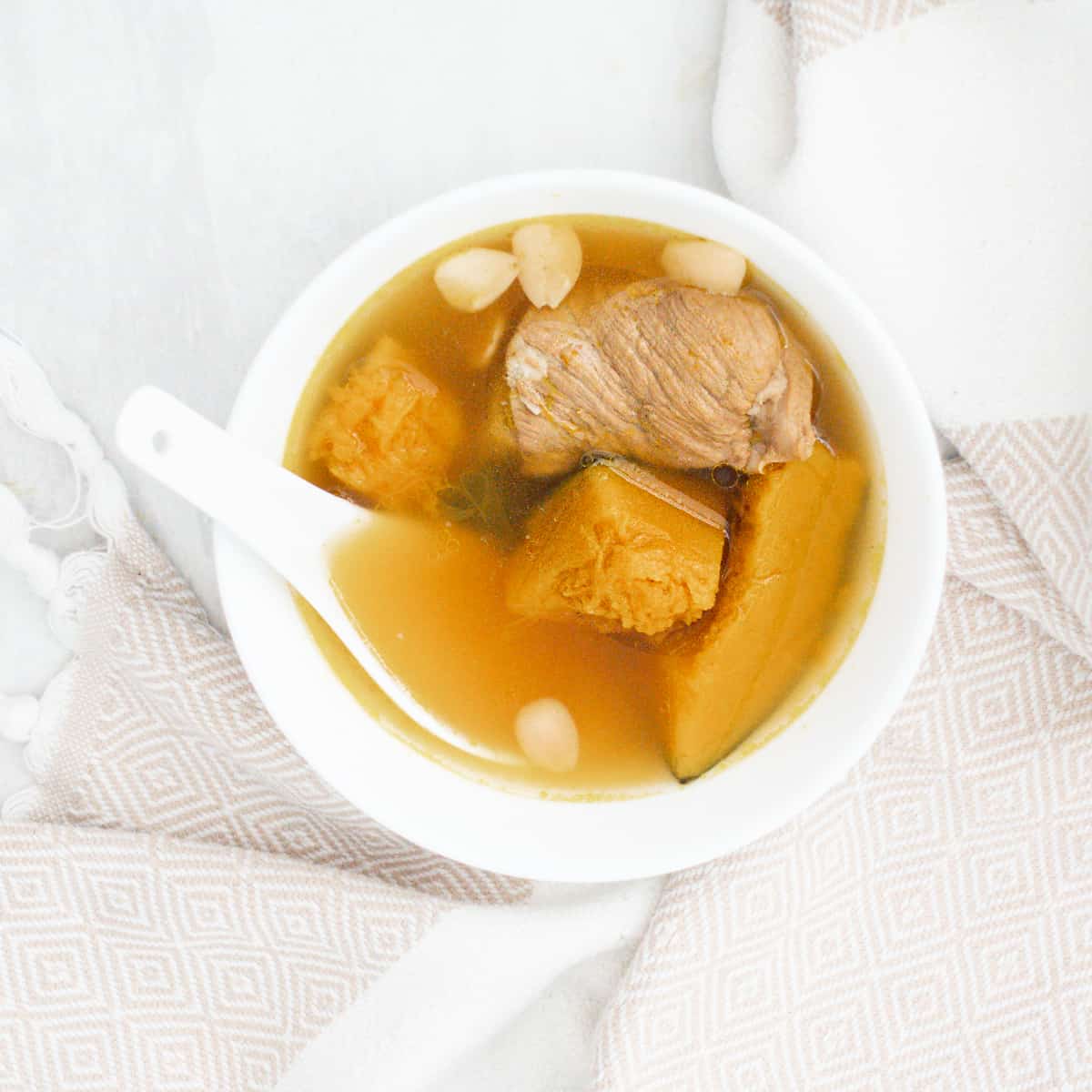
Troubleshooting Common Issues
Soup is too bland - You didn't use enough pork bones, or you added too much water. Next time, use meatier ribs or add a few pork neck bones for extra flavour. Season with a bit more salt.
Kabocha fell apart completely - You cut the pieces too small, or you used butternut squash instead (which is softer). Next time, cut into larger 2-3 inch chunks and keep the skin on.
Broth is cloudy/murky - You skipped the parboiling step, or you boiled too vigorously instead of simmering gently. The cloudiness won't hurt you, but for crystal-clear broth, parboil next time and maintain a gentle simmer.
Pork is tough - Your heat was too low, or you didn't simmer long enough. Pork ribs need a full 90 minutes at a gentle simmer to break down. If using super lean pork tenderloin, it might not get as tender - use ribs with bones for best results.
Not enough liquid left - You boiled too hard with the lid fully off. Keep the lid slightly ajar to retain moisture, and check at the 60-minute mark to add more hot water if needed.
Herbs taste bitter - You over-soaked the apricot kernels or used too many. Stick to the recommended 50g and don't soak longer than 30 minutes.
Storage, Meal Prep Guide, and Make-Ahead Tips
This easy weeknight soup recipe is perfect for freezer-friendly meal prep and batch cooking for busy families. Make a double batch of this one-pot comfort food on Sunday, portion it into containers, and you'll have nourishing lunches or dinners ready in minutes all week long.
Refrigerator - Let soup cool completely, then transfer to airtight containers. Store for up to 4 days. The soup actually tastes better the next day as flavours continue to develop!
Freezer - Freeze in portion-sized containers for up to 3 months. Leave 1 inch of headspace as liquid expands when frozen. The kabocha texture may soften slightly after freezing but still tastes delicious.
Reheating - Reheat on the stovetop over medium heat until simmering, or microwave individual portions for 2-3 minutes, stirring halfway through. Add a splash of water if the kabocha pork ribs soup has thickened.
Pro tip: Store the solids (ribs and squash) separately from the broth if possible. This prevents everything from getting too soggy and makes reheating easier.
Time-Saving Variations
Instant Pot Method (35 minutes active cooking):
- Use the "Sauté" function to parboil the ribs directly in the Instant Pot
- Drain, rinse ribs, and wipe the pot clean
- Return ribs and all other ingredients to the pot with water
- Pressure cook on HIGH for 25 minutes
- Natural pressure release for 10 minutes, then quick release
- Season and serve!
Slow Cooker Method (Set and forget):
- Parboil ribs on the stovetop first (can't skip this!)
- Transfer everything to a slow cooker
- Cook on LOW for 6-8 hours or HIGH for 3-4 hours
- Season and serve!
Traditional Double-Boiling Method (Most traditional but time-intensive): This is the ultimate Cantonese method for the clearest, most refined broth. Place all ingredients in a ceramic soup bowl, cover tightly, and steam in a large pot of boiling water for 3-4 hours. The result is incredibly pure-tasting, but most home cooks find the regular stovetop method perfectly delicious!
Enjoy your homemade Chinese kabocha pork ribs soup! This is true comfort in a bowl.
Other Nourishing Chinese Medicinal Soups
- Ba Wong Fa Soup for Cough and Phlegm 霸王花無花果瘦肉響螺湯
- Chinese Winter Melon Soup With Pork Ribs 冬瓜湯
- Moisturizing Chinese Apple Sea Coconut Soup 雪梨蘋果海底椰玉竹無花果湯
- Chinese Papaya Soup with Black Eyed Peas (Easy) 木瓜花生眉豆雪耳雞腳湯
- Si Shen Tang Herbal Soup Adrenal Fatigue (Immune Soup) 四神湯
- Silkie Chicken Cordyceps Fish Maw Conch Soup 蟲草花花膠响螺煲烏雞湯
Frequently Asked Questions (FAQs)
People Also Ask About Kabocha Pork Ribs Soup - Here are the most common questions I get about making this traditional Chinese soup:
Yes! Add all ingredients to your Instant Pot, use the soup setting, and pressure cook on high for 35 minutes with natural pressure release. The pork will be just as tender in half the cooking time.
Butternut squash is the best substitute, though it's less sweet. You can also use acorn squash, sweet potato, or regular sugar pumpkin. The cooking time remains the same.
Absolutely! This natural cold remedy soup with TCM herbs moistens the lungs, reduces cough, and supports immune function. The ginger adds warming properties that are especially beneficial when you're feeling under the weather. A comforting bowl of kabocha soup for cold days helps warm the body, boost immunity, and soothe seasonal fatigue with its naturally sweet, nourishing flavor.
Store in an airtight container in the refrigerator for up to 4 days, or freeze for up to 3 months. The flavors actually develop and improve after a day or two.
No! Kabocha skin is thin and becomes tender during cooking. It's completely edible and contains extra nutrients. Just wash the outside thoroughly before cutting.
Yes! Replace pork ribs with mushrooms (shiitake work wonderfully) and use vegetable broth. Add cashews or tofu for protein. The TCM herbs can remain the same.
Crystal Clear Broth Technique: Parboiling means briefly boiling the pork ribs for 2-3 minutes, then rinsing. This removes impurities and results in a crystal-clear, clean-tasting broth. It's a crucial step in Chinese soup-making that ensures your soup is both visually appealing and flavorful.
Find apricot kernels 南北杏 at Asian supermarkets, Chinese herbal medicine shops, or online on Amazon. They're also called "north and south apricot kernels." If unavailable, you can omit them, though they add authentic medicinal properties.
The secret to crystal-clear Chinese pork soup is parboiling. Boil pork ribs for 3-5 minutes in water, drain, and rinse thoroughly to remove impurities. Then simmer gently (never boil vigorously) for 90 minutes. The parboiling step removes blood proteins that cause cloudiness, while gentle simmering maintains clarity. This technique is essential in traditional Cantonese soup-making.
Pork spare ribs are best for Chinese soup due to their ideal meat-to-bone-to-fat ratio. They create rich, flavourful broth and stay tender during long simmering. Baby back ribs work but are leaner. Pork neck bones are budget-friendly alternatives. For authentic results, use spare ribs cut into 2-inch pieces - they release maximum collagen for that silky, restaurant-quality broth. Bones are essential for depth.
Yes! Kabocha squash is naturally rich in beta-carotene, vitamin A, vitamin C, and dietary fiber, making kabocha soup a nourishing choice. It's low in calories and fat yet packed with antioxidants that support immune health and glowing skin.
It can. Kabocha soup is low-calorie but filling, thanks to its high fiber content. The fiber helps regulate blood sugar and keeps you full longer, which may reduce overall calorie intake. Skip heavy cream or excess sugar to keep it light and slimming.
Yes, in moderation. Kabocha squash has a lower glycemic index than other squashes, meaning it releases sugar more slowly into the bloodstream. Use unsweetened broth and avoid adding extra sweeteners for best results.
Definitely. Its rich orange color comes from beta-carotene, which converts to vitamin A, supporting immune function and eye health. Vitamin C further strengthens the body's natural defenses.
Yes. The dietary fiber in kabocha supports healthy digestion and promotes regularity. It's also gentle on the stomach, making it suitable for people recovering from illness or looking for a light meal.
It can be! Traditional recipes often use butter or cream, but you can easily make it vegan or dairy-free by substituting with coconut milk, cashew cream, or olive oil for a silky texture.
Kabocha has a sweeter, nuttier flavour and a denser texture than pumpkin. Nutritionally, it's quite similar; both are rich in beta-carotene and vitamins, but kabocha tends to have slightly fewer carbs per serving.
Absolutely. Kabocha soup is great for batch cooking, make ahead soup recipes. It stores well in the fridge for up to 4-5 days or can be frozen for up to 3 months. Its flavour deepens over time, making it even more delicious the next day.
Other Winter Squash and Pumpkin Recipes
This nourishing pork stock, tender meat, and clear soup is an absolute favourite if you love comfort food this time of year.
Looking for a different way to cook a delicious recipe in Chinese cuisine? Check out these Kabocha squash healthy recipes!
- Steamed Black Bean Pork Ribs With Kabocha
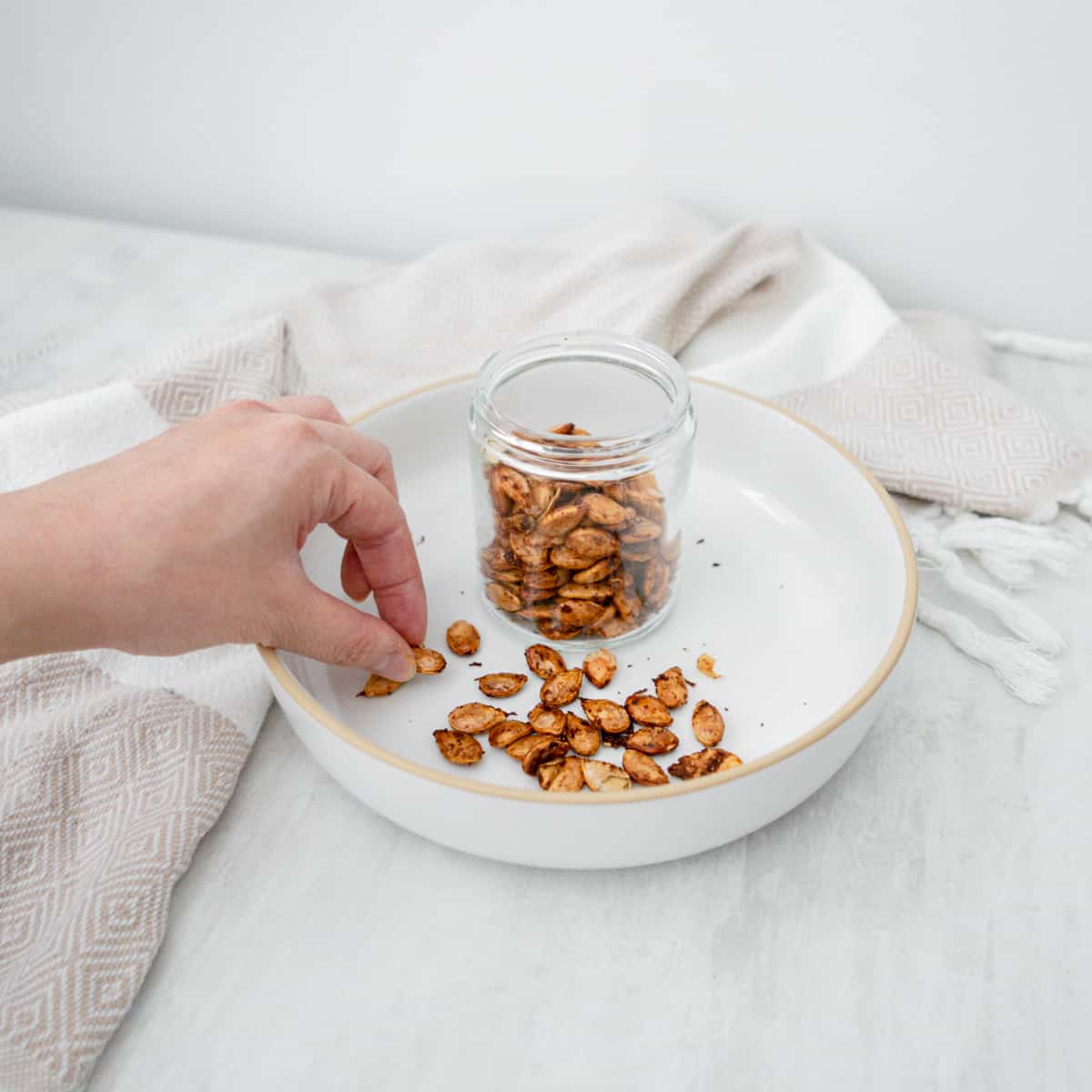
- Air Fried Crispy Pumpkin Seeds (Spicy Togarashi)
- Curry Kabocha Fries
- Easy Kabocha Curry Recipe
- Oven-Baked Kabocha Squash Recipes
- Korean Kabocha Squash Recipes
- Air Fryer Pumpkin Spice Basque Burnt Cheesecake Recipe
- Homemade Pumpkin Pie Spice
What To Serve With Pumpkin Soup Recipe
Chinese people love double-boiled soup boiled for a long time. The extra broth is a great way to warm up and absorb nutritious vitamins and minerals.
Make a complete meal with these delicious recipes:
- Easy Homemade Char Siu (Air Fried)
- Honey Garlic Pork Ribs (Air Fry) 蒜子蜜汁骨
- Steamed Chicken with Chinese Mushrooms and Sausages Claypot Rice 臘腸冬菇滑雞煲仔飯
- Instant Pot Braised Chinese Mushrooms 髮菜炆冬菇食譜
- Microwave Soy Sauce Chicken Wings 豉油雞翅微波爐
- Chinese Tomato Egg Stir-fry 番茄炒蛋
For easy, fall comfort soup recipes and busy one-pot meals for family dinners that are healthy, subscribe to our newsletter and never miss a wellness post!
I'd love to see how you went with my recipes! Leave a comment below or tag me on Instagram @INSTANOMSS #INSTANOMSS.
> Recipe
Best Kabocha Pork Rib Soup Recipe (Traditional Chinese)
This easy, authentic Chinese Kabocha Pork Ribs Soup (南北杏南瓜排骨湯) is a traditional TCM recipe that boosts your immune system while delivering incredible fall comfort. Learn how to make this homemade kabocha pork soup in just 90 minutes - you'll have tender pork ribs swimming in a naturally sweet, nourishing bone broth loaded with Japanese squash. This is the healing double-boiled soup recipe every Cantonese household makes during autumn - and now you can too! Let me show you exactly how to create this family-favourite immune-boosting soup.
- Prep Time: 15
- Cook Time: 90
- Total Time: 1 hour 45 minutes
- Yield: 2-4 persons 1x
- Category: Soup
- Method: Boil
- Cuisine: Chinese, TCM
Ingredients
- 400g or Half of one Whole Kabocha Squash 南瓜
- 1 lbs Pork Ribs 排骨 (or Pork Shank 豬展 or Pork Tenderloin 瘦肉)
- 50g Apricot Kernels 南北杏
- 4 Fresh Figs or Dried Figs 無花果
- 4 Slices of Fresh Ginger Slices 生薑
- Sea Salt or Kosher Salt 鹽 適量
- Cold Water, enough to cover
Optional Ingredients
- 2 Sweet corn 玉米
- 2 Carrots 紅蘿蔔
Instructions
- Soak the herbs for 20 minutes in a small bowl to remove traces of impurities. This will help remove dust and debris. Rinse and set aside in a small bowl.
- First, wash the pork ribs, pork shank or tenderloin with cold water and pat dry with a kitchen paper towel. No need to cut the pork ribs into small pieces unless your pot is not big enough.
- Parboil the pork ribs in a medium pot to remove the impurities. Rinse with cold water. Set aside.
- Add all the ingredients into a large pot not made of stainless steel like this Perfect Pot or a Buydeem Health Beverage Maker. Although not all Chinese herbs react with metal, it is best not to use a metal pot when making Chinese medicinal herbal soups.
- Cover ingredients with enough water and boil at high heat.
- Once the hot water is boiling, reduce heat to low to medium heat and continue cooking for 90 minutes.
- Enjoy this hot.


Notes
- Add other root vegetables like carrots and sweet corn to the pot if desired for added sweetness.
- The soup ingredients, like the bone-tender meaty pork riblets, are also perfect for eating as a side dish! The cooked pork shank goes perfectly with some Chinese Chili Soy Dipping Sauce.
Nutrition
- Serving Size: 1 pot
- Calories: 315
- Sugar: 9.5 g
- Sodium: 72.6 mg
- Fat: 18.4 g
- Carbohydrates: 25.3 g
- Fiber: 3.5 g
- Protein: 13.8 g
- Cholesterol: 60.4 mg

Pin the above image to your Chinese Medicinal Food Therapy TCM Recipe Pinterest Board to bookmark this page. We are so excited to share our recipes with you!
More Chinese Recipes
Chinese Steamed Chicken With Shiitake Mushroom 冬菇蒸雞
Air Fryer BBQ Pork Char Siu 氣炸鍋蜜汁叉燒
Red Bean Soup (Instant Pot) 蓮子百合紅豆沙



Melinda says
What a delicious soup recipe and my first time cooking with kabocha pumpkins. My family loved the spices and it was a great new way to enjoy the flavors of fall.
Nancy says
Melinda i'm so happy to hear that you aced this recipe and everyone enjoyed it!
Elizabeth says
Perfect for the upcoming season - such a cozy recipe!
Nancy says
ABSOLUTELY! i can't get enough of this delicious sweet squash!
Helen at the Lazy Gastronome says
This dish is a wonderful combination of sweet, salty, and spicy ginger flavors. We’re going to be making this again!
Alexandra says
This is the perfect nourishing soup - it really feels as though it is doing you good when you're eating it! The addition of the kabocha squash gives it a lovely flavour.
Jess says
Love the fresh ingredients for this nourishing soup!
Nancy says
This one is definitely a keeper! It is so soothing for the body!
Sisley White - Sew White says
So healthy and full of fresh flavour. Great for warmth too.
Nancy says
I'm so happy to hear that you are a fan! Don't forget to enjoy the spareribs with a side of chili soy dipping sauce!
Farah says
Could I make this soup vegetarian? I love the idea of the kabocha! Thank you for such a unique recipe!
Nancy says
Hi Farah - you can swap out the meat with and replace with cashews - that would you help bulk up and provide the needed nutrients!
Kate says
This is the ultimate bowl of nourishment! The flavors are incredible.
Nancy says
Thanks Kate! I'm so happy that it was satisfying! Can't wait to see how it came out for you!
Dana says
Love kabocha squash! Can't wait to try this it looks so cozy.
Nancy says
I can't wait to hear what you think about it!
Sean says
I have a miserable cold right now, and this soup is just speaking to me on a molecular level. Haha. I've always had a soft spot for soups that use apricot kernels, and kabocha is ALWAYS so tasty, so the combination is just perfect here. The dried figs are really cool too - never used those in a soup before! But they work really well with the pork and the squash!
Nancy says
Awww hope you feel better Sean! This year, the cold and flu is terrible! Drink up and boost your immune! This soup should help sooth the soul!
Jacqueline says
It's the perfect time of year for pumpkin soup recipes. I love homemade soup in the autumn.
Nancy says
In season pumpkin soup is perfect to nourish and provide extra soluble fibre!
Alina says
This soup looks so delicious and inviting! Love it!
Nancy says
It is calling your name Alina!
Dannii says
So simple, but full of flavour. Total comfort food.
Nancy says
I love the extra sauce over a bowl of white rice!
Emily says
I only learned about kabocha squash a few years ago but it is now one of my favorites! It pairs beautifully with spare ribs in this soup!
Nancy says
I love the gentle and sweet flavours of this japanese squash. it pairs so beautifully with so many recipes!
Kristen says
I always see Kabocha squash at the grocery store and can never think of something different to do with it. I’m so excited to make this because our family is obsessed with soup, so I know they’ll love it.
Nancy says
I'm so happy to hear that everyone loves soup! i love how easy it is to bank in all the nutrients!
Nes says
This soup was perfect for a fall evening. I loved how nourishing yet delicious it was.
Nancy says
Everyone in my family has like 2 bowls or more every time I make this!
Swathi says
This chinese kabocha pork ribs soups looks delicious. Perfect Soup treat.
Nancy says
Every night should be soup night!
Bernice says
This is such a beautiful bowl of soup. Love that clean broth and tasty additions. It's a bowl made for the stomach and the soul.
Nancy says
I couldn't agree with you more Bernice! Soups are great for the Soul!
Evi says
This was such a delicious and comforting soup! The squash and pork was a perfect pair.
Nancy says
Thanks!! Don't forget to bookmark this recipe!
Vanessa says
What a delicious and nourishing soup! Perfect for the immune system this cold and flu season!
Nancy says
Enjoy this wellness soup!
Sara Welch says
I love soup season for recipes just like this one! A unique and unexpected recipe that has easily become a new favorite; delicious!
Nancy says
THanks Sara - she's a classic!
Patty at Spoonabilities says
I have never had pork ribs soup! This so interesting with the use of the apricot kernels. I cannot wait to try this!
Nancy says
Enjoy all the TCM wellness and nutrients of this classic Chinese soup!
Colleen says
I love kabocha squash, so I was happy to find this yummy soup recipe. We loved it. Thanks for sharing!
Nancy says
Enjoy this wellness soup Colleen - your soul thanks you!
Marie B says
I need to get one of those kabocha pumpkin asap! Sound like a lovely new ingredient to my ears. Nothing like a warm pumpkin soup for the fall! Thanks for sharing!
Nancy says
Happy Autumn cooking!
Nora says
Such a wonderful soup! The absolute comfort food! Just right for these frosty days! Thanks for the great recipe!
Nancy says
Happy Autumn cooking!
Nancy says
Thanks Nora!
Stephanie says
This is a wonderful soup to come home to - the perfect amount of ginger to warm the belly! Thank you for all the tips.
Nancy says
I love the smell of soup filling the house!
Mahy says
I wondered how the Chinese pork chops are made.... Excited to try the recipe myself now!
Nancy says
Enjoy this fork tender and flavourful recipe!
Dannii says
What a delicious and comforting meal. So easy to make too.
Nancy says
Easy to make and super rewarding!
Andrea says
What fabulous flavors in this kabocha pork rib soup. Love the hearty pieces of kabocha and pork. Looking forward to trying this.
Nancy says
It's the perfect one pan meal!
Tayler says
I made this soup for dinner last night and it was incredible! So full of flavor and delicious!
Nancy says
You speak my language ! I love soup for dinner toO!
Holley says
I love how fresh and flavorful this soup is! Loving this recipe for those chilly days!
Nancy says
Just like a war hug!
Dana says
I absolutely love kabocha squash and this recipe was a hit in our house! Loved it!
Nancy says
Enjoy the wonderful smell of soup filling the house too!
Stephanie says
I love the flavor that the ginger adds to this dish. It gives it a nice "zing"!
Nancy says
The ginger balances out the flavours and character of the soup
Kim says
WOW this recipe has so many nutritional benefits. I can't wait to try it!
Nancy says
I love that we can use food for our wellness rather than taking all the supplements
Michelle says
I love the squash and pork with ginger. Simple and fresh ingredients, and my whole family loved it!
Nancy says
Eat fresh is number one!
tina says
What a nourishing soup! Perfect for the weather cooling down - I love it!
Nancy says
Your body will thank you!
Anjali says
This looks so flavorful and delicious! Perfect for these cooler fall months we're having!
Nancy says
It's so cold and rainy here already!
Gina Abernathy says
This was fabulous and so comforting. I added a few shredded carrots. Will make again soon!
Nancy says
Great idea to add the carrots! I bet it was extra nourishing!