
Looking for a Chinese soup for cough and phlegm that actually works? This traditional Ba Wong Fa Soup Recipe (霸王花湯) uses rafflesia flowers, conch, and TCM herbs to moisturize lungs, soothe dry throats, and reduce phlegm naturally. Perfect for respiratory relief during cold, dry months, this healing soup is ready in just 90 minutes and tastes absolutely delicious. In Traditional Chinese Medicine food therapy, this yin-nourishing soup addresses the root cause of coughs - lung dryness and heat imbalance. Whether you're battling a persistent cough, experiencing autumn dryness, or simply want to strengthen your respiratory system, this ancient remedy combines powerful herbs with everyday ingredients for maximum healing benefits. Learn how to make this healing Chinese soup for cough and phlegm with dried dragon fruit flower!
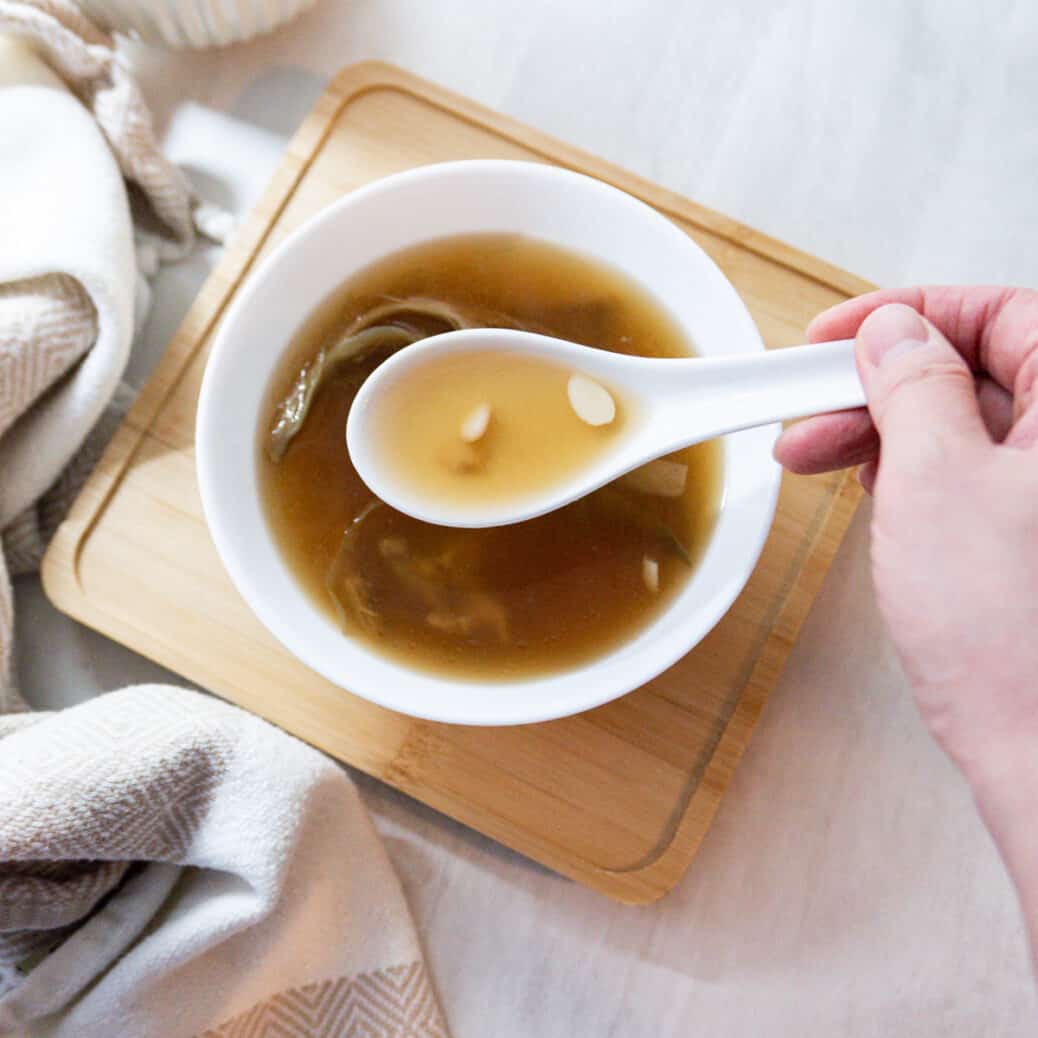
> In This Post: Everything You'll Need For The Best Chinese Soup for Cough with Ba Wong Fa
If you've been battling a dry cough, excess phlegm, or that annoying tickle in your throat that won't quit, this Ba Wong Fa soup (霸王花湯) might be exactly what your lungs are craving. I learned this recipe from my mother-in-law during one particularly brutal winter when nothing-not cough drops, not honey tea, not even my stubbornness-could shake a lingering respiratory funk.
In Traditional Chinese Medicine, we don't just treat symptoms; we restore balance. This soup works by moistening the lungs, clearing heat, and gently dissolving phlegm without harsh ingredients. Think of it as a gentle reset button for your respiratory system.
What makes this soup special: Unlike Western remedies that suppress coughs, this TCM approach nourishes and soothes inflamed throat tissue while helping your body naturally expel what doesn't belong. Plus, it tastes like comfort in a bowl -mild, slightly sweet, and deeply satisfying.
Check out this quick story summary of our recipe!
Jump to:
- > In This Post: Everything You'll Need For The Best Chinese Soup for Cough with Ba Wong Fa
- What is Ba Wong Fa?
- What Makes This Chinese Herbal Soup So Effective?
- Ingredients and Chinese Herbal Benefits and TCM Properties
- When To Make Ba Wong Fa
- Ba Wong Fa Soup Benefits
- How To Choose Good Quality Ba Wang Hua
- Instructions - Step-by-Step Cooking Method
- Frequently Asked Questions (FAQs)
- Other Easy Nourishing Chinese Soup Recipes
- > Recipe
- Chinese Soup for Cough and Phlegm (Ba Wong Fa Recipe)
- More Chinese Recipes
What is Ba Wong Fa?
Ba Wong Fa (霸王花, Bàwáng huā), literally "Overlord Flower," is the dried bloom of the dragon fruit cactus (Hylocereus undatus). Don't let the dramatic name intimidate you-these pale, ribbon-like dried flowers are workhorses in Cantonese medicinal cooking.
TCM Properties:
- Temperature: Cool
- Flavor: Sweet, bland
- Meridians entered: Lung, Stomach
- Key actions: Clears lung heat, moistens dryness, reduces phlegm
In TCM theory, many respiratory issues stem from "lung heat" or "lung dryness"-imagine your lung tissue becoming irritated, inflamed, or parched. Ba Wong Fa's cooling and moistening properties help counteract this, making it ideal for:
- Dry coughs with little or no phlegm
- Chronic cough from smoking or pollution exposure
- Throat irritation and soreness
- Sticky phlegm that's difficult to expel
- Respiratory discomfort from dry climates or heated indoor air
You'll find Ba Wong Fa in most Chinese herbal shops, often sold in large cellophane bags. The flowers should look cream-coloured to pale tan, not mouldy or overly brown.
What Makes This Chinese Herbal Soup So Effective?
In TCM philosophy, respiratory issues like persistent cough and stubborn phlegm often stem from "lung heat" or "lung dryness." This isn't about infection in the Western sense-think of inflamed, parched lung tissue that's been irritated by pollution, dry air, or prolonged talking. Your throat feels scratchy, the cough is unproductive, and nothing seems to bring relief. This Ba Wong Fa soup works through a carefully balanced formula that moistens dryness, clears heat, and gently transforms phlegm without being too cooling or too warming.
Ingredients and Chinese Herbal Benefits and TCM Properties
What Makes This Chinese Soup So Effective for Respiratory Health?
In TCM philosophy, respiratory issues like persistent cough and stubborn phlegm often stem from "lung heat" or "lung dryness." This isn't about infection in the Western sense-think of inflamed, parched lung tissue that's been irritated by pollution, dry air, or prolonged talking. Your throat feels scratchy, the cough is unproductive, and nothing seems to bring relief. This Ba Wong Fa soup works through a carefully balanced formula that moistens dryness, clears heat, and gently transforms phlegm without being too cooling or too warming.
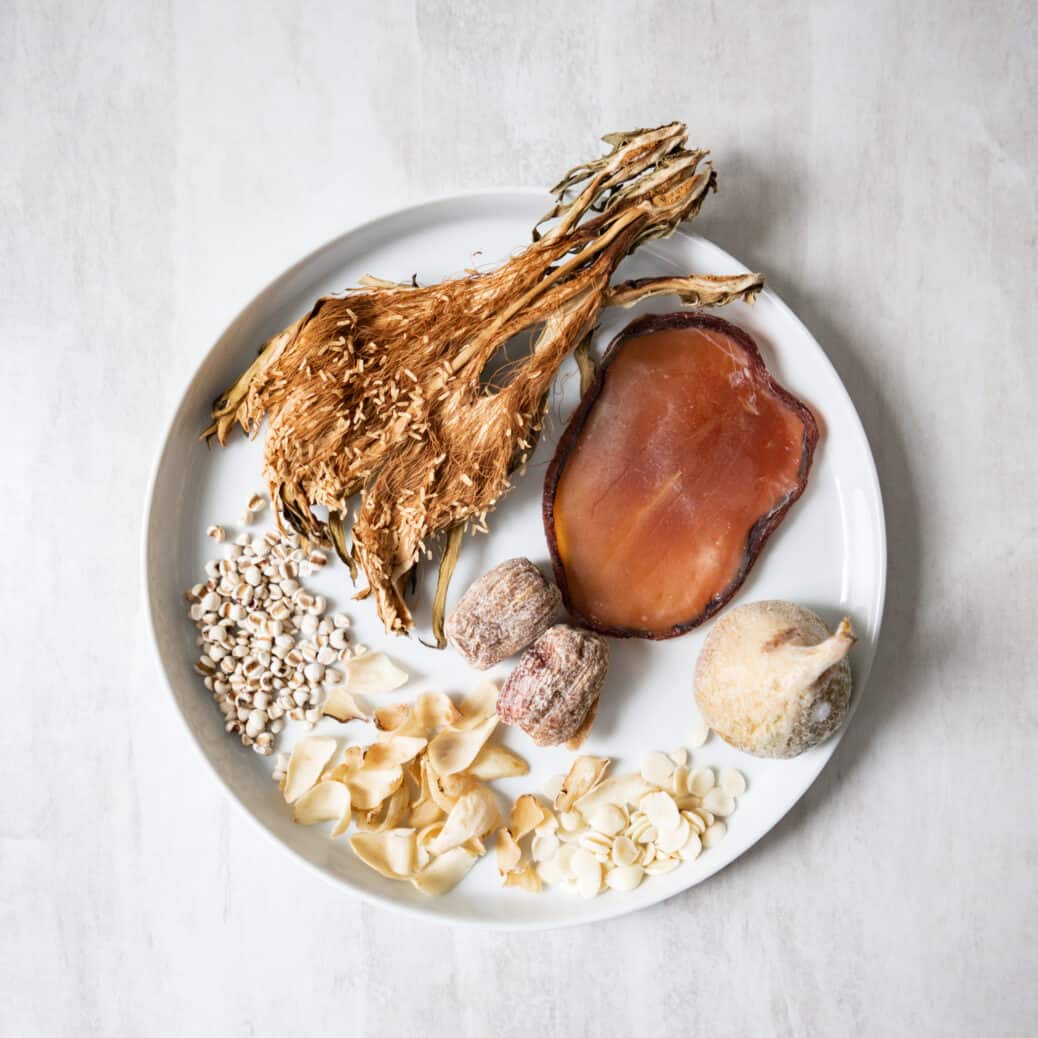
Ba Wong Fa (霸王花, Bàwáng huā) - Hylocereus undatus, the dried flower of the dragon fruit cactus, is the foundation of this therapeutic soup. Some call it Rafflesia, Night Blooming Cereus or Hylerereus Undatus Flower, FIos Hylerereus Undatus. These pale, ribbon-like blooms are prized in Cantonese medicinal cooking for their ability to cool and moisten the lungs without being overly cold. When simmered for hours, they release mucilaginous compounds that coat and soothe inflamed throat tissue. The name "Overlord Flower" hints at its powerful yet gentle action on stubborn respiratory conditions.
- TCM Thermal Property: Cool and Sweet, slightly Bland
- Primary Actions: Clears Lung heat, moistens Lung dryness, reduces phlegm, benefits the Stomach, clears internal heat
- Target Organs: Lung, Stomach meridians
- Lung-Healing Role: Specifically targets dry cough with scanty phlegm, throat irritation from lung heat and dryness, and chronic cough from pollution or smoke exposure. The cooling-moistening combination makes it ideal for conditions where tissues need both soothing and hydration.
Dried Figs (無花果, Wúhuāguǒ) - Ficus carica, the common fig dried to concentrate its therapeutic properties. In TCM, figs are valued as both food and medicine, working on multiple levels to address respiratory and digestive harmony. The sweet flavor enters the Spleen (digestive system) and Lungs, creating a bridge between these two organ systems that TCM considers intimately connected. When your digestion is weak, phlegm production increases-figs address both ends of this problem.
- TCM Thermal Property: Neutral and Sweet
- Primary Actions: Moistens Lungs and Intestines, strengthens Spleen, clears heat, reduces swelling, transforms phlegm-heat
- Target Organs: Lung, Spleen, Large Intestine meridians
- Lung-Healing Role: Addresses the dry, unproductive cough while simultaneously supporting digestive function to prevent phlegm formation at its source. Particularly effective for chronic cough accompanied by constipation (a sign of systemic dryness in TCM).
Lean Pork (瘦肉, Shòuròu) - While not an herb, pork plays a crucial medicinal role in Cantonese soup-making. In TCM dietary therapy, pork is classified as a yin-nourishing food that replenishes body fluids and essence. Lean cuts are preferred for medicinal soups because excess fat can interfere with herbal extraction and create "dampness" in the body. The amino acids and minerals in pork create a nourishing base that allows herbs to work more effectively.
- TCM Thermal Property: Neutral and Sweet, slightly Salty
- Primary Actions: Nourishes Yin and body fluids, tonifies Kidney essence, moistens dryness, harmonizes the formula
- Target Organs: Kidney, Spleen, Stomach meridians
- Lung-Healing Role: Provides the nutritive foundation that supports lung tissue repair while anchoring the cooling herbs to prevent them from being too cold for the digestive system. The yin-nourishing property directly addresses the fluid depletion that causes dry cough.
Dried Conch (響螺, Xiǎngluó) - Strombus species, prized in Cantonese medicine as one of the most effective ingredients for lung conditions. The dried meat of these large sea snails has a cooling, moistening quality that's more potent than most other ingredients. Traditional texts describe conch as "clearing heat from the Lungs and brightening the eyes," and it's specifically sought after for chronic respiratory conditions that resist other treatments. The long simmering transforms its tough texture into tender, slightly chewy morsels.
- TCM Thermal Property: Cool and Sweet, slightly Salty
- Primary Actions: Clears Lung heat, moistens dryness, transforms phlegm, nourishes Yin, brightens vision, benefits the throat
- Target Organs: Lung, Liver, Kidney meridians
- Lung-Healing Role: The powerhouse ingredient for stubborn phlegm and chronic cough, particularly when caused by lung heat and yin deficiency. Its moistening property is stronger than most herbs, making it invaluable for severe dryness. The saltiness helps soften hardened phlegm and guides the formula's action downward to expel mucus.
Honey Dates (蜜棗, Mìzǎo) - Ziziphus jujuba processed with honey, these are distinct from regular dried jujubes. The honey coating enhances the date's natural lung-moistening properties while adding gentle sweetness that harmonizes the formula. In TCM, dates are considered one of the most important Qi and blood tonics, preventing the cooling herbs from weakening digestive fire. The honey processing specifically targets lung dryness and cough.
- TCM Thermal Property: Neutral-Warm and Sweet
- Primary Actions: Tonifies Spleen and Stomach Qi, nourishes blood, calms the spirit, moistens Lungs, harmonizes other herbs
- Target Organs: Spleen, Stomach, Lung meridians
- Lung-Healing Role: Provides natural sweetness that soothes throat irritation while preventing the soup's cooling ingredients from damaging digestive function. The qi-tonifying property ensures the formula builds strength rather than just draining heat.
Most dry goods ingredients, tools, and supplies can be purchased at local Asian markets, Chinese grocery stores, or Amazon Online. Amazon Prime members receive free shipping and faster delivery times.

Optional Herbal Ingredients & Therapeutic Boosters
Southern and Northern Almonds (南北杏, Nánběi xìng) - Prunus armeniaca kernels come in two varieties used synergistically in TCM. Southern almonds (南杏, sweet apricot kernel) moisten and nourish; Northern almonds (北杏, bitter apricot kernel) stop cough and redirect rebellious Lung Qi downward. Traditional formulas use them together in a 5:1 or 4:1 ratio (more sweet, less bitter) to balance their properties. These are the go-to ingredients for any cough-related formula in Chinese medicine.
- TCM Thermal Property: Slightly Warm (Southern), Slightly Warm (Northern); Sweet (Southern), Bitter (Northern)
- Primary Actions: Moisten Lungs, stop cough, redirect Qi downward, relieve wheezing, moisten Intestines
- Target Organs: Lung, Large Intestine meridians
- Lung-Healing Role: Southern almonds address the dry, unproductive cough by adding moisture; Northern almonds stop the cough reflex itself and help expel phlegm. Together they're remarkably effective for both dry and productive coughs. Note: Use Northern almonds sparingly (no more than 10g) as excessive amounts can cause bitterness.
Dried Lily Bulbs (百合, Bǎihé) - Lilium species bulbs, particularly Lilium brownii or Lilium lancifolium. These white, petal-like scales are revered in TCM for treating chronic dry cough, especially when accompanied by insomnia and emotional restlessness. Lily bulb's unique property is that it moistens and nourishes the Lungs while simultaneously calming the Heart spirit-perfect for the anxious cough that worsens at night.
- TCM Thermal Property: Slightly Cold and Sweet, slightly Bitter
- Primary Actions: Moistens Lungs, stops cough, clears Heart heat, calms spirit, nourishes Yin
- Target Organs: Heart, Lung meridians
- Lung-Healing Role: Specialized for the dry cough that disrupts sleep and causes emotional agitation. The Heart-Lung connection means respiratory distress often causes anxiety, and lily bulb addresses both simultaneously.
Solomon's Seal (玉竹, Yùzhú) - Polygonatum odoratum, a moistening rhizome that's gentler and more specific for Lung yin than many other nourishing herbs. Its sweet, mild flavor makes it suitable for long-term use without cloying the digestion. Classical texts describe it as "moistening without being greasy," an important distinction because overly rich, moistening herbs can create dampness and more phlegm.
- TCM Thermal Property: Slightly Cold and Sweet
- Primary Actions: Nourishes Yin, moistens Lung dryness, generates body fluids, extinguishes wind
- Target Organs: Lung, Stomach meridians
- Lung-Healing Role: Enhances the overall lung-moistening effect for severe dryness conditions, particularly useful in very dry climates or for people whose cough worsens in heated buildings. Works synergistically with lily bulb for maximum yin nourishment.
Dried Tangerine Peel (陳皮, Chénpí) - Citrus reticulata aged peel, traditionally aged for at least 3 years (older is considered more valuable). The aging process transforms fresh citrus peel's properties, creating a potent Qi-moving and phlegm-transforming medicine. The aromatic oils help cut through sticky phlegm and prevent the moistening herbs from creating dampness. This is the key addition if your cough is productive with thick, difficult-to-expectorate mucus.
- TCM Thermal Property: Warm and Bitter, Pungent
- Primary Actions: Regulates Qi, strengthens Spleen, dries dampness, transforms phlegm, prevents stagnation
- Target Organs: Lung, Spleen meridians
- Lung-Healing Role: Balances the moistening ingredients when dealing with damp-phlegm rather than dry cough. Helps move stuck phlegm and prevents the soup from being too nourishing (which could exacerbate mucus production in some constitutions). Use 1-2 small pieces only.
Fox Nuts (芡實, Qiànshí) - Euryale ferox seeds, these starchy, round seeds are beloved in Cantonese soups for their gentle tonifying properties. While not specifically a lung herb, fox nuts strengthen the Spleen and Kidney, which in TCM theory controls fluid metabolism. Weak Spleen function leads to phlegm production, so these seeds address the root cause rather than just symptoms.
- TCM Thermal Property: Neutral and Sweet, slightly Astringent
- Primary Actions: Tonifies Spleen and Kidney, stops diarrhea, secures essence, eliminates dampness
- Target Organs: Spleen, Kidney meridians
- Lung-Healing Role: Indirect benefit-by strengthening digestive function and proper fluid metabolism, fox nuts reduce the body's tendency to produce phlegm. Particularly useful if you have weak digestion alongside respiratory issues.
Synergistic Formula Theory
This isn't a random collection of ingredients. In TCM formula construction, we follow the principle of Jun-Chen-Zuo-Shi (Emperor-Minister-Assistant-Envoy):
- Emperor (君, Jūn) - Ba Wong Fa: The primary therapeutic agent targeting lung heat and dryness
- Minister (臣, Chén) - Dried Conch & Figs: Support the emperor's action with additional moistening and phlegm transformation
- Assistant (佐, Zuǒ) - Pork & Optional Herbs: Harmonize the formula, prevent side effects, and support overall body function
- Envoy (使, Shǐ) - Honey Dates: Guide the formula to the correct organs and harmonize all ingredients
The cooling elements (Ba Wong Fa, conch, lily bulb) are balanced by neutral-warm elements (pork, dates, almonds), creating a formula that's therapeutic without being extreme. This balance is why you can drink this soup regularly without it being too cold for your system-a common problem with single-herb remedies.
When To Make Ba Wong Fa
As the weather gets drier and the months get colder, our lungs and throats become sensitive to the changing elements and frigid air. We should all take extra care of our bodies and boil extra detoxifying soups to soothe and prevent illnesses. Chinese Medicinal Food Therapy is an excellent natural remedy using TCM herbs to support our immune system in culinary preparations.
The beauty of this soup lies in knowing exactly when your body needs it. While you can make Ba Wong Fa soup year-round, certain seasons and situations call for it more urgently.
As the weather transitions from humid summer to crisp fall, the air becomes noticeably drier-and so do our respiratory passages. This is the prime time to make Chinese herbal soup for prevention. In TCM, autumn corresponds to the Lung organ system, making it the season when respiratory issues are most likely to flare. That scratchy throat you get when the heat kicks on for the first time? That persistent dry cough after the first cold snap? This soup addresses those exact imbalances.
Autumn Through Early Winter (Peak Season)
The traditional Chinese agricultural calendar identifies "Autumn Dryness" (秋燥) as a specific climatic pattern that peaks from late September through November. During this period, the combination of cooler temperatures and low humidity creates the perfect conditions for lung dryness-exactly what Ba Wong Fa soup treats.
This Yin-nourishing, lung-moisturizing soup addresses the exact imbalances that peak during autumn's dry heat periods. Explore traditional Chinese methods for combating dry heat to discover why recipes like Ba Wong Fa soup become essential during China's post-summer heat phenomenon.
When Heated Indoor Air Takes Over
Don't put this recipe away when winter ends. Central heating and air conditioning create artificial dryness that affects our lungs regardless of outdoor weather. If you wake up with a parched throat during winter heating season or develop a dry cough when summer AC runs constantly, this is your soup.
Specific Situations That Call For This Soup:
- After prolonged talking or singing - Teachers, customer service workers, and performers benefit from this throat-soothing remedy
- During poor air quality days - Wildfire smoke, pollution, or hazy conditions irritate lung tissue
- Post-cold lingering cough - That annoying cough that hangs on for weeks after other symptoms clear
- Chronic dry cough from smoking (active or secondhand exposure)
- Moving to a drier climate - Your body needs time to adjust
- Extended screen time causing eye strain - Remember, the Lung and Liver meridians connect; dry eyes and dry throat often appear together
Prevention vs. Treatment Protocol:
- For prevention during dry seasons: Make a batch every 10-14 days and drink 1-2 bowls per week
- For active cough or throat irritation: Drink 1-2 bowls daily until symptoms improve (typically 3-5 days)
- For chronic conditions: One batch per week during problematic seasons
Best Time of Day: Late afternoon (3-5 PM) or early evening. This aligns with the Lung and Kidney meridian hours in Chinese medicine, when these organs are most receptive to nourishment. Avoid drinking medicinal soups right before bed as they can be mildly energizing.
The key is listening to your body. If you notice that first tickle in your throat or that familiar dry cough starting, don't wait - get a pot of Ba Wong Fa simmering. This is when Chinese medicinal food therapy shines: catching imbalances before they become full-blown illness.
Ba Wong Fa Soup Benefits
This easy soup recipe strengthens the lungs, soothes the throat and is great for cough and phlegm reduction. This Ba Wong Fa soup recipe also hydrates and moisturizes the digestive system. This isn't just comfort food-it's functional medicine in a bowl. Here's what regular consumption of Ba Wong Fa soup can do for your respiratory and overall health.
Primary Therapeutic Benefits
Soothes Dry, Persistent Cough The star benefit: this soup excels at calming that irritating dry cough that won't respond to conventional remedies. The moistening herbs hydrate inflamed lung tissue while gently suppressing the cough reflex without artificial suppressants.
Clears Stubborn Phlegm For sticky, difficult-to-expel mucus, the herbal combination works to both thin and transform phlegm. The conch and Ba Wong Fa specifically target thick secretions, making them easier to cough up and clear from airways.
Relieves Throat Irritation and Soreness The soup's mucilaginous quality coats and soothes raw, scratchy throat tissue. Singers, teachers, and anyone who uses their voice extensively find this particularly beneficial for vocal cord recovery.
Reduces Lung Heat and Inflammation In TCM terms, "lung heat" manifests as inflammation, redness, and irritation. This cooling formula calms inflamed respiratory passages without the harsh cold that can upset digestion.
Secondary Health Benefits
Supports Immune Function During Seasonal Changes By moistening and protecting lung tissue, this soup strengthens your first line of defense against respiratory infections. Think of it as preventive maintenance for your immune system.
Moisturizes From Within The yin-nourishing properties don't just affect your lungs-they systemically hydrate tissues throughout your body. Many people notice improved skin moisture and less dry eyes alongside respiratory improvements.
Aids Digestive Comfort The figs and pork work together to support healthy bowel movements, addressing the constipation that often accompanies systemic dryness. In TCM, the Lung and Large Intestine are paired organs, so treating one benefits the other.
Promotes Restful Sleep Chronic cough disrupts sleep quality. By addressing nighttime coughing, this soup helps restore natural sleep patterns. If you add lily bulb, the calming effect on the Heart spirit enhances this benefit further.
Reduces Eye Strain and Dryness Through the Liver-Lung connection in TCM, cooling lung heat also benefits dry, red eyes-particularly relevant for those staring at screens all day.
Who Benefits Most From This Soup?
- People living in dry climates or dealing with seasonal dryness
- Anyone exposed to poor air quality, pollution, or smoke
- Those recovering from colds with lingering respiratory symptoms
- Individuals with chronic throat irritation from overuse
- Office workers in air-conditioned or heated environments
- People experiencing stress-related respiratory tightness
How To Choose Good Quality Ba Wang Hua
When buying Ba Wong Fa, it is essential to ensure that it is dry, light-coloured yellow to yellowish-brown. The dry flowers are in long irregular bundles, with a slender part of the calyx tube twisted into a bundle. The upper perianth is narrow with vertical veins. The dried flowers are pleasant to smell with a slightly sweet fragrance. It should not be damp, smell old or be brown in colour.
Instructions - Step-by-Step Cooking Method
The difference between medicinal soup and watery broth often comes down to technique. These steps honour the traditional Cantonese slow-simmering method, which extracts the herbs' therapeutic compounds while creating that silky, nourishing texture characteristic of authentic Chinese herbal soups. Follow this sequence for soup that's as healing as it is delicious.
Ingredient Prep (Essential for Best Results)
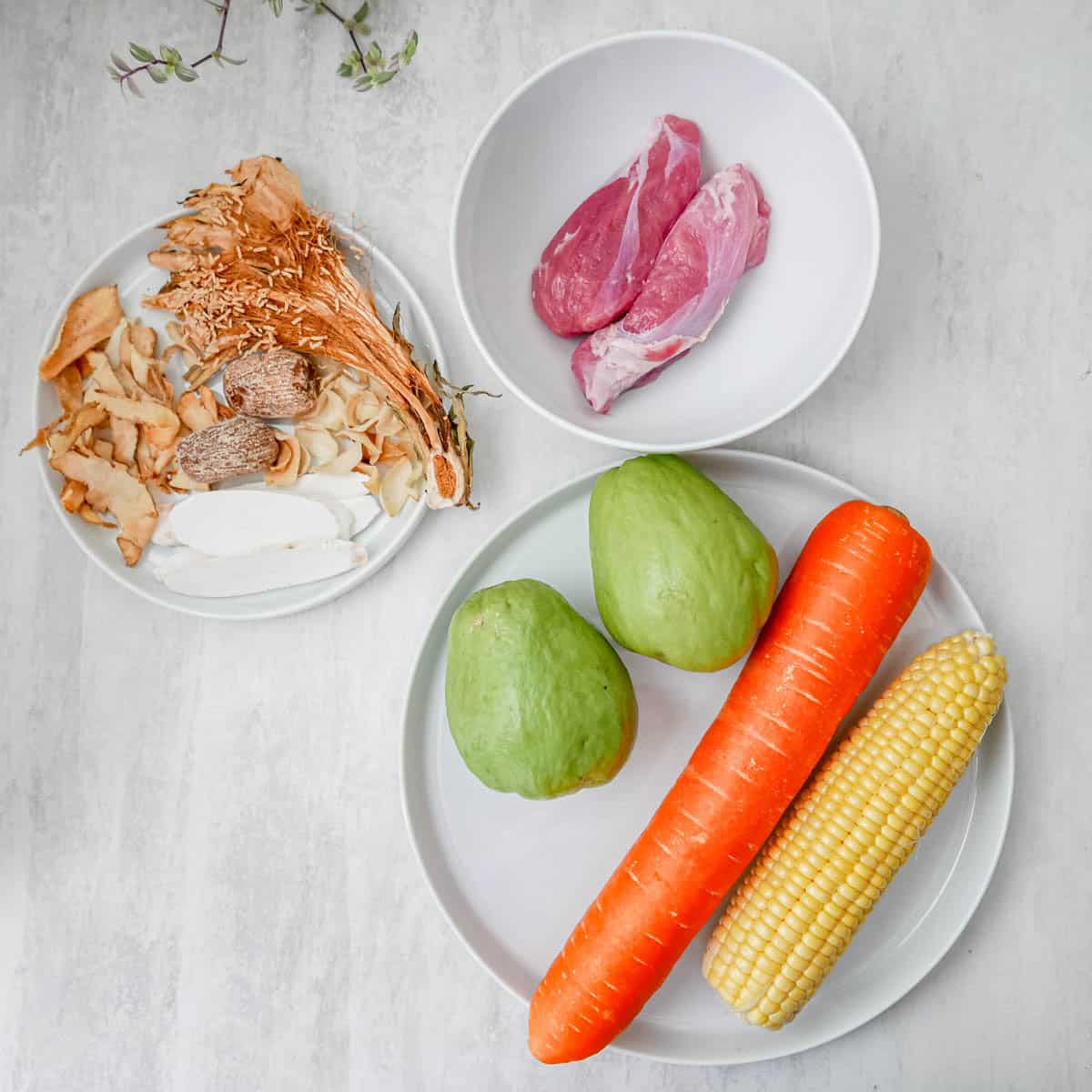
Prepare the Ba Wong Fa - Remove the dried dragon fruit flowers from their package and inspect them briefly. Rinse under cool running water for 15-20 seconds to remove any dust from processing and storage. Place them in a large bowl and cover with room temperature water. Let soak for 10-15 minutes until they soften and unfurl. You will see them expand to nearly triple their dried size. Drain thoroughly and cut into 2-3 inch sections if the pieces are very long (over 6 inches). This soaking step is crucial: it allows the flowers to rehydrate gradually, which promotes even extraction of their mucilaginous, throat-soothing compounds during the long simmer. Skipping this can result in tough, undercooked flowers that don't release their full medicinal properties.
Prepare the Dried Conch - Rinse the dried conch pieces thoroughly under cool water, rubbing gently to remove surface salt from the preservation process. If the conch feels extremely hard or looks heavily salted, place it in a bowl with warm water and soak for 20-30 minutes, changing the water once halfway through. This desalination step prevents the soup from becoming overly salty and ensures the conch meat will tenderize properly during cooking. Pat dry after soaking. The conch doesn't need to be cut, it will break down naturally during the long simmer into tender, bite-sized pieces.
Rinse the Figs and Dates - Place dried figs and honey dates in a strainer and rinse quickly under cool water for 10 seconds. This removes any dust or debris without washing away their natural sweetness. There's no need to soak these ingredients. They will rehydrate perfectly during cooking. If your figs are very large (bigger than a walnut), you can halve them to help them release their essence more effectively, but this is optional.
Prepare Optional Herbs - If using Southern and Northern almonds, rinse briefly and add them as-is (no soaking needed). For dried lily bulbs or Solomon's seal, rinse and soak in cool water for 10 minutes to remove any sulfur residue from processing-these herbs are sometimes preserved with sulfur to maintain color. Dried tangerine peel should be scraped on the inner white pith side with a spoon to remove the bitter layer, then rinsed. This small step prevents your soup from tasting medicinal in a harsh way.
Blanch the Pork Properly - This is the non-negotiable step that separates cloudy, gamey soup from crystal-clear, refined broth. Cut your lean pork into 2-inch chunks (large pieces prevent the meat from drying out during long cooking). Bring a separate pot of water to a vigorous, rolling boil. Add all the pork pieces at once and blanch for 3-4 minutes. You'll see gray foam and impurities rise to the surface-this is the blood, proteins, and compounds that cause cloudiness and off-flavors. Once the pork turns pale and the surface is sealed, drain immediately in a colander and rinse each piece under cool running water while rubbing gently to remove any clinging scum. This process opens the meat's pores to release impurities, then the cold rinse seals them again, locking in juices for the long simmer ahead.
Prepare Your Soup Vessel - Use a large heavy-bottomed pot (at least 5-6 quart capacity) or traditional clay pot if you have one. Select a glass herbal beverage tea maker or ceramic pot (never metal, as it can react with herbal compounds) and rinse it with hot water to preheat. Clay pots distribute heat most evenly and are traditional for medicinal soups, but stainless steel or enamel-coated cast iron work excellently. Avoid aluminum or reactive metals that can interact with herbal compounds. Rinse your pot with hot water before starting-this removes any residual oils or flavours from previous cooking.
Use the Right Water - Measure 12 cups (3 liters) of cold, filtered water. If your tap water is heavily chlorinated or has a strong mineral taste, use filtered or bottled water instead. The water quality directly affects the soup's clarity and flavour. The herbs can only extract as well as the water allows. Always start with cold water rather than hot; this allows the ingredients to gradually release their essences as the temperature rises, creating more complex, layered flavoUrs.
Cooking Process
Place the blanched pork chunks into your soup pot. Add the prepared Ba Wong Fa, dried conch, dried figs, and honey dates. If using optional ingredients (almonds, lily bulbs, Solomon's seal, tangerine peel), add them now. Arrange ingredients in a loose layer rather than packing them tightly. This allows water to circulate freely for even extraction.
Pour all 12 cups of cold filtered water over the ingredients. The water should cover everything by at least 1-2 inches. If it doesn't, add another cup or two of cold water. Starting with cold water is essential in TCM soup-making: as the temperature gradually rises, cell walls break down slowly, releasing nutrients and medicinal compounds without destroying delicate volatile oils.
Place the pot over high heat, uncovered. Watch carefully as it comes to a boil. You will see small bubbles forming around the edges first, then gradually building to larger bubbles breaking the surface. This initial high-heat phase should take 10-15 minutes. Don't rush it by cranking the heat to maximum; a gradual rise creates better extraction.
As the soup approaches boiling, you may see a thin layer of foam or scum rising to the surface. Use a fine-mesh skimmer or large spoon to gently remove this foam. This step ensures crystal-clear soup - the foam contains any remaining impurities from the pork and dried ingredients. Skim 2-3 times during the initial boil until no more foam appears.
Once the soup reaches a full boil with large bubbles breaking vigorously, immediately reduce the heat to the absolute lowest setting your stove allows. You want just a few lazy bubbles breaking the surface every few seconds. This is the most critical step: aggressive boiling creates cloudy soup, toughens the pork, and causes medicinal compounds to evaporate or break down. The gentle simmer preserves therapeutic properties while coaxing out every bit of flavour.
Position the lid so it's about 80% covered, leaving a small gap for steam to escape. This prevents over-reduction while maintaining consistent temperature. If you cover completely, condensation drips back in and dilutes flavors; completely uncovered causes too much evaporation.
Set a timer for 2.5 hours. During this time, check the soup every 45 minutes or so. You're looking for:
- Consistent gentle bubbling (adjust heat if it's boiling too hard or not at all)
- Water level (it should reduce by about 20% over 2.5 hours-if reducing too fast, lower heat slightly)
- Any foam that appears (skim if needed, though there shouldn't be much after the initial skim)
Do not stir the soup during cooking. Stirring agitates settled particles and can cloud the broth. Trust the gentle convection currents to circulate ingredients naturally.
After 2.5 hours, the soup should have transformed into a milky-golden liquid with a rich, herbal-savory aroma. The Ba Wong Fa will be completely tender and translucent, the pork easily pierced with chopsticks, and the dried conch pleasantly chewy but not tough.
Taste a small spoonful (blow on it first-it's hot!). The flavor should be naturally sweet from the figs and dates with subtle savory depth from the pork and conch. Now add salt to taste. Start conservatively with ½ teaspoon, stir gently, and taste again. Add more if needed, ¼ teaspoon at a time. Most batches need 1 to 1½ teaspoons total. The soup should taste balanced and nourishing, not overly salty or bland.
Some families add a small pinch of white pepper at this stage for a subtle warmth, but this is optional and not traditional for lung-moistening soups (pepper is warming and drying). I prefer to let the herbs speak for themselves.
Turn off the heat and let the soup rest for 5 minutes before serving. This brief rest allows the flavors to settle and the soup to reach the perfect drinking temperature.
The traditional serving style is to ladle everything: broth, meat, conch, and softened herbs into individual bowls. The solid ingredients are edible and nutritious. The Ba Wong Fa, while bland, has a pleasant, slippery texture. The figs are wonderfully sweet and soft. Some people prefer to strain the soup and drink only the clear broth, saving the pork and conch for a separate dish. Both approaches are perfectly acceptable.
Pro Tips for Perfect Ba Wong Fa Soup Every Time
The Water Level Trick - Before you start cooking, use a chopstick or wooden spoon to mark the water level on the inside of your pot (just press it against the side to make a mental note of where the waterline sits). After 2.5 hours, check again. You want to lose about 2-3 cups of liquid to evaporation. If you've lost more than half your water, your heat was too high. If it's barely reduced, increase the heat slightly next time. This develops your instinct for the perfect simmer.
The Overnight Flavor Transformation - Like many Chinese soups, Ba Wong Fa soup tastes even better the next day. The herbal essences continue to infuse after cooking, creating deeper, more complex flavors. Make it the night before you need it, cool completely, and refrigerate. Reheat gently the next day-you'll be amazed at the difference.
Adjust Cooking Time by Altitude - If you live at high altitude (over 3,000 feet), water boils at lower temperatures and ingredients take longer to cook. Increase your simmering time to 3-3.5 hours and use slightly higher heat to maintain that gentle bubble.
The Clarity Test - Professional Cantonese soup should be clear enough to read text through when held in a glass bowl against white paper. If your soup is cloudy, review: Did you blanch the pork thoroughly? Did you skim the foam? Did you avoid stirring? Was the simmer truly gentle? Each detail matters.
Reheating Without Degradation - Never microwave this soup-it toughens the pork and can destroy some medicinal compounds. Always reheat on the stovetop over low heat until just steaming, about 5-7 minutes. Don't let it boil again.
Serving Suggestions
Traditional Cantonese Style - Serve in small individual bowls as a pre-meal soup course or alongside the main meal. Sip slowly, savoring the broth first, then eating the tender pork and conch with chopsticks. The soup should be hot but not scalding-about the temperature of a comfortable tea.
Therapeutic Serving - When using this soup medicinally for active cough or phlegm, drink 1-1.5 cups (one rice bowl) twice daily: once in late afternoon (3-5 PM during Lung meridian time) and once after dinner. Drink it warm, not hot, and sit quietly for 10 minutes afterward rather than rushing into activity. This allows the medicinal properties to be absorbed properly.
Family Meal Integration - This soup pairs beautifully with simple steamed fish, stir-fried vegetables, and white rice. The light, nourishing quality balances richer dishes. In Cantonese households, herbal soups are often the centerpiece that other dishes orbit around-they're not just side items but the heart of the meal.
Standalone Light Meal - During illness or when your appetite is diminished, a large bowl of this soup with the pork and conch makes a complete, easily digestible meal. The gentle protein and herbs nourish without overtaxing your digestive system. Add a small bowl of plain congee on the side if you need more substance.
Seasonal Variations - In the height of summer or during very hot weather, let the soup cool to room temperature before serving (never refrigerator-cold-remember, cold liquids impair digestion in TCM theory). In winter or for those with very cold constitutions, add 3-4 slices of fresh ginger to the pot for gentle warming without compromising the lung-moistening properties.
What Not to Serve Alongside - Avoid pairing this soup with heavily spiced dishes, deep-fried foods, or very rich, greasy meals. These create "heat" and "phlegm" in TCM terms, directly counteracting the soup's therapeutic effects. Keep your meal clean, light, and simple when serving Ba Wong Fa soup medicinally.
The Leftover Pork - If you strain your soup and have leftover pork, don't discard it! Shred the tender meat and toss with soy sauce, sesame oil, and scallions for a simple cold dish. Or chop it finely and add to fried rice or noodles. The pork is thoroughly cooked and infused with herbal essence-it's delicious in its own right.
Frequently Asked Questions (FAQs)
People Also Ask About Chinese soup for cough and phlegm - Here are the most common questions I get about making this Ba Wong Fa Traditional Chinese Soup Recipe:
Ba Wong Fa soup is one of the most effective Chinese soups for cough and phlegm. It contains rafflesia flowers, which naturally moisturize lungs, and conch, which clears heat and reduces phlegm production. The combination of TCM herbs like lily bulbs and apricot kernels specifically targets respiratory issues.
For active cough and phlegm symptoms, drink this Chinese medicinal soup 2-3 times per week. For prevention during dry seasons (autumn/winter), once weekly is ideal. The soup is gentle enough for regular consumption and benefits lung health long-term.
Yes! While conch adds beneficial properties and umami flavour, you can substitute with dried scallops or simply omit it. The rafflesia flowers and other herbs still provide excellent cough and phlegm relief. The soup will be slightly less rich but equally effective.
Ba Wong Fa is available at Asian supermarkets, Chinese herbal medicine shops, and online retailers like Amazon. Look for dried rafflesia flowers that are light yellow-brown in colour and smell slightly sweet. Avoid dark, damp, or mouldy-smelling packages.
Store Ba Wong Fa soup in an airtight container in the refrigerator for up to 4 days. Reheat gently on the stovetop. The herbs will continue to release flavours, making the soup even more flavourful the next day. Freeze for up to 3 months.
Yes, Ba Wong Fa soup is safe for children over 2 years old. It's a gentle, natural remedy for children's coughs. Reduce the apricot kernels to half the amount for young children, and avoid if your child has nut allergies. Consult a pediatrician for children under 2.
Absolutely, you can make Ba Wong Fa Instant Pot Soup! Add all ingredients to your Instant Pot, use the soup setting, and pressure cook on high for 30 minutes with natural release. This method is faster than stovetop but produces equally nourishing results for cough and phlegm relief.
This Chinese medicinal soup has a naturally sweet, umami-rich flavour from the conch, figs, and dates. The rafflesia flowers add a subtle texture similar to seaweed. It's surprisingly delicious-not at all like bitter herbal medicine-with a comforting, soothing quality.
Other Easy Nourishing Chinese Soup Recipes
Find the harmony you are missing with this delicious beauty nutritious soup menu. Take back control of your mood and recharge energy levels by balancing your hormones and minerals. A bowl of nourishing soup is the quintessential embodiment of easily digestible southern Chinese cooking.
- Nourishing Silkie Chicken Soup for Spleen Health 健脾烏雞淮山黃耆湯食譜
- Ba Wong Fa Soup for Cough and Phlegm 霸王花無花果瘦肉響螺湯
- Moisturizing Chinese Apple Sea Coconut Soup 雪梨蘋果海底椰玉竹無花果湯
- Chinese Papaya Soup with Black Eyed Peas (Easy) 木瓜花生眉豆雪耳雞腳湯
- Si Shen Tang Herbal Soup Adrenal Fatigue 四神湯
- Silkie Chicken Cordyceps Fish Maw Conch Soup 蟲草花花膠响螺煲烏雞湯
- Chinese Kabocha Pork Ribs Soup 南北杏南瓜排骨湯
- Chinese Papaya Dessert with Snow Fungus 木瓜雪耳糖水
Did you make this Rafflesia Soup? Share your soup making tips and any herb variations you've discovered in the comments below. Did it help with your heat symptoms or sore throat? For more traditional Chinese medicine recipes and herbal wisdom, subscribe to our newsletter and never miss a wellness post!
I'd love to see how you went with my recipes! Leave a comment below or tag me on Instagram @INSTANOMSS #INSTANOMSS.
> Recipe
PrintChinese Soup for Cough and Phlegm (Ba Wong Fa Recipe)
Ba Wong Fa Soup Rafflesia & Conch 霸王花無花果瘦肉響螺湯 is a Yin nourishing, lung moisturizing and soul replenishing soup. It is suitable for all seasons. However, we recommend this Chinese soup for cough and phlegm, especially during the dry autumn and cold winter months. This soup is sweet-tasting packed with umami.
- Prep Time: 20
- Cook Time: 90
- Total Time: 1 hour 50 minutes
- Yield: 2-4 persons 1x
- Category: Soup
- Method: Boil
- Cuisine: Chinese, TCM
Ingredients
- 100g Ba Wong Fa 霸王花 100克
- 20g Apricot Kernels 南北杏 20克
- 1 piece dried conch 幹響螺片
- 50 g Lotus seed 百合 50克
- 1 Fig (dried or fresh) 無花果 1粒
- 2-3 Dried Dates 蜜棗 2-3粒
- 1.5L filtered water 水 1½ 公升
- salt to taste 鹽少許
- 1 lbs pork tenderloin or pork shank 瘦肉/豬腱 1磅, parboiled 汆燙
- 1 carrot 紅蘿蔔 1條, peeled and chopped 去皮切塊 (optional)
Instructions
- Soak herbs for 20 mins, wash and drain herbs.
- Parboil pork tenderloin or pork shank.
- Add all ingredients to a large pot of boiling water.
- Boil for 30 mins and reduce heat to simmer for 1 hour.
- Serve and enjoy!
霸王花無花果瘦肉響螺湯煮法
- 清洗藥材。加水浸泡20分鐘。
- 瘦肉汆燙後備用。
- 一起置於鍋中,加入清水,先用大火煮沸,再用小火煮30分鐘。 加入鹽少許調味。
- 上蓋中細火煲1個鐘。
- 或放在電鍋內,燜煮1.5小時。
Equipment

BUYDEEM health-care beverage electric kettle
Buy Now → Buy Now →
  Buy Now →
  Buy Now →
  Buy Now →
 Notes
For convenience, I like to make my soup in a BUYDEEM health-care beverage electric kettle.
Nutrition
- Serving Size: 1 pot
- Calories: 221
- Sugar: 10.6 g
- Sodium: 102.4 mg
- Fat: 5.6 g
- Carbohydrates: 14.4 g
- Protein: 27.9 g
- Cholesterol: 89.4 mg

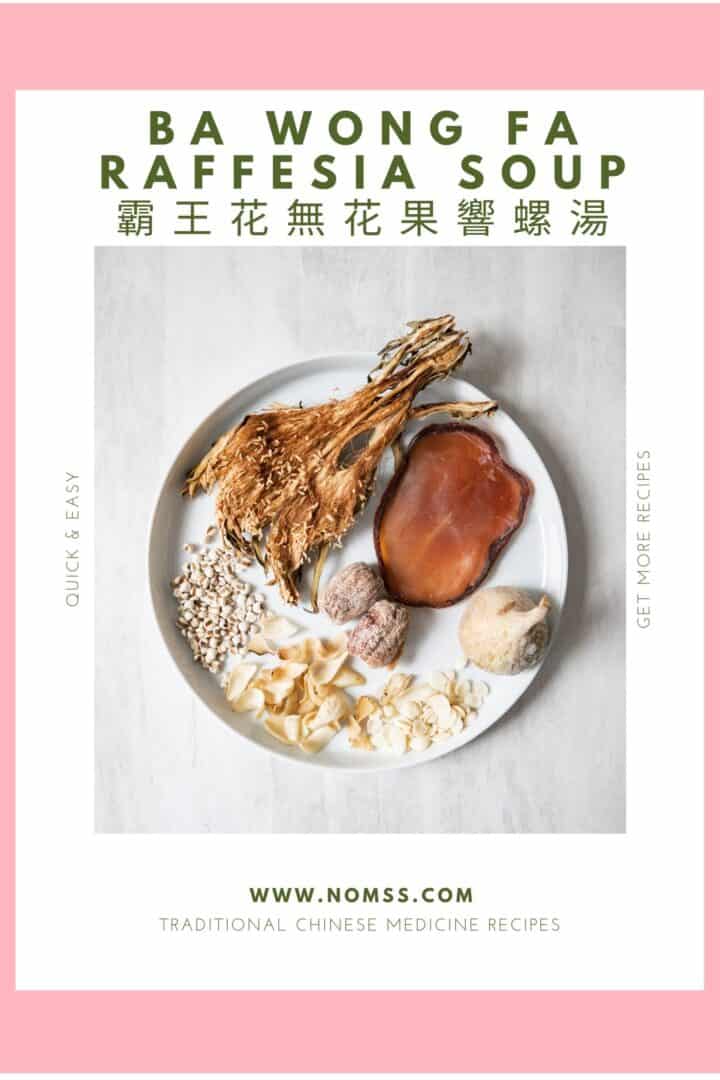
Pin the above image to your Chinese Medicinal Food Therapy TCM Recipe Pinterest Board to bookmark this page. We are so excited to share our recipes with you!
More Chinese Recipes
Silkie Chicken Cordyceps Soup with Fish Maw and Conch 蟲草花花膠响螺煲烏雞湯
Hokkigai Arctic Surf Clams Cold Appetizer 薑蔥北極貝冷盤
Instant Pot Braised Chinese Mushrooms 髮菜炆冬菇食譜
Nourishing Squab Soup 桂圆枸杞蓮子淮山炖乳鸽汤
Red Bean Soup (Instant Pot) 蓮子百合紅豆沙
Braised Beef Brisket & Tendon 柱侯蘿蔔炆牛筋腩
Fried Garlic Seafood Fried Rice 金蒜海鮮炒飯
Double Steamed Snow Pear with Fritillaria Bulb 川貝燉雪梨


Beary Sophia J Sim says
Hi there, may I know if I can add 川北 into the Ba Wang Fa soup? How much do I add in if yes? Thank you.
Nancy says
you can add approx 10g 川贝 with 霸王花. If you have any concerns, pls consult with your tcm herbalist / practitioner to best pair with your constitution. 🙂
Mina says
Always so hearty and delicious! This soup is amazing!
Elizabeth says
Love a recipe that can help you feel better! Such a great way to share a yummy dish.
Helen at the Lazy Gastronome says
This soup sounds so good and I need the medicinal properties. I’m pinning while I go find the ingredients!
Oscar says
I woke up with a sore throat today, wondering if this soup will help. Think I will try it. Thanks for the recipe.
Natalie Perry says
Loving this soup for a cold rainy day!
Nicole NK says
I remember when my husband was playing basketball in Korea and they used a soup as a healer when he was sick. I was so happy to find this soup recipe!
Ieva says
So interesting to learn about healing foods from around the world. Must try this recipe over the winter when one of us starts feeling poorly.
Nancy says
Thanks so much! i hope this recipe helps you recover!
Mirlene says
Never had this type of soup before. But reading it sure sounds like the perfect remedy for the throat. I'll save this when I'm feeling sick.
Nancy says
I hope this recipe helps you recover!
Dana says
Definitely going to be on the lookout for these ingredients the next time I'm at the Asian market! This looks so tasty and comforting!
Nancy says
HI Dana - were you able to find the ingredients? We've listed it on our Amazon store and should help you in case you have a hard time finding the ingredients!
MacKenzie says
Great for this time of year! I am saving this for the next time my family is sick.
Nancy says
Sending healthy vibes!
Kris says
This was so unique and tasty and really did the trick! Thank you!
Nancy says
Thanks Kris. I'm so happy to hear that it helped!
Amy says
This is exactly what I need! I can 't seem yo get rid of this nagging cough I have! Helps that t so delicious!
Nancy says
So glad it helped to sooth your annoying cough!
Swathi says
This soup looks delicious . Excellent homeready for cough. Need to try this.
Nancy says
its better than gross tasting cough syrup!
Andrea says
this soup helped my cough so much! so soothing - thank you!
Nancy says
I'm so glad it worked!!
jamie says
This looks very nourishing and delicious!
Nancy says
It's just what the doctor ordered
Patricia says
Not only does this sound tasty, it's good for you! What a great soup for the season!
Nancy says
It's much better than cough syrup!
megane says
I am trying to grab all the ingredients to give this a try. It looks so tasty.
Nancy says
That's awesome Megan! You will love it!
Amy Liu Dong says
Hmm. This soup looks awesome and great, with lots of benefits for our bodies! Perfect for this coming season as it's getting colder and colder! A very timely recipe for everyone to prepare!
Nancy says
THanks Amy! It's a great soup to have around on rotation!
Laura Arteaga says
Great recipe!
Nancy says
enjoy this easy and wholesome soup recipe!
Maretha says
This looks amazing! I've never had Ba Wong Fa soup before and I definitely want to try it. Thanks for explaining the ingredients so clearly. It makes wanting to cook something new so much less intimidating.
Nancy says
Glad you found the explanation and cooking tips useful!
Kayla DiMaggio says
Yum! I have been battling a cough and this was so warming and helpful! Adding this to my sick arsenal!
Nancy says
Speedy recovery and hope this soup helps!
Sabrina says
This soup is so aromatic and nutritious. Perfect for this time of year, thanks.
Nancy says
happy wellness day!
Terri says
This I will definitely be making during the winter - we get the driest weather possible where I live in Alberta. Pinned!
Nancy says
OH yes!! nourish from within!
Julia says
Looks like the perfect soup for winter colds. And sounds so tasty as well. Pinning for later. Thanks for sharing.
Andrea White says
Such a great soup! So so good!
Nancy says
SO soothing for this season!
Colleen says
This soup looks so nourishing and I think it would definitely be amazing for a sore throat. Thanks for sharing!
Nancy says
THe key is to drink this before you are actually sick - but if you are under the weather double this recipe for some TLC
Tyanne says
I have never heard of this soup before but I am glad I tried it.
Nancy says
Happy Soup Season Tyanne! Happy holidays!
Amanda Dixon says
This is a great soup! I love the flavor the pork added, and it was so cozy for these chilly days.
Nancy says
It's a quick way to bank in the extra nutrients!
Brianna says
Such a comforting soup, definitley good for colds.
Nancy says
I almost make it everyday in the coldest winter days!
Kaitlin says
All your recipes are so delicious!
Nancy says
awww Kaitlin you are the sweetest! thank you!
Lilly says
This soup is so delicious! And I love that it is nourishing too!
Nancy says
absolutely! I love how it instantly soothes an irritated throat!
Swathi says
This conch soup looks delicious perfect for cold weather.
Nancy says
it's the ultimate throat healing soup!
Bernice says
Such an informative post Nancy. I think everyone could use this soup, especially in the winter when we spend a lot of time indoors.
Nancy says
It's super nourishing for women!!
Jean says
such a great healthy soup, its easy and so good. perfect to combat coughs.
Nancy says
Thanks Jean - it's really wonderful since we spend so much time indoors with the heat cranked up!
Sue says
Delicious soup!
Nancy says
Thanks Sue! hope it helped!
Alexandra says
This looks so comforting and soothing!
Nancy says
Hi Alexandra - so glad you enjoyed this wellness soup!