
Make this Small Batch Vegan Kimchi Recipe if traditional napa cabbage kimchi has become too predictable. This vegan green apple kimchi swaps the usual base for crisp Granny Smith apples and skips the fish sauce entirely. The result is spicy, tangy, and lightly sweet, with enough personality to become your new default jar in the fridge.
No fermentation experience needed. No fish. No fuss.
This recipe is plant-based, probiotic-rich, and genuinely good for your gut. If you've been looking for a compelling reason to make kimchi without fish sauce at home, a tart green apple is it.
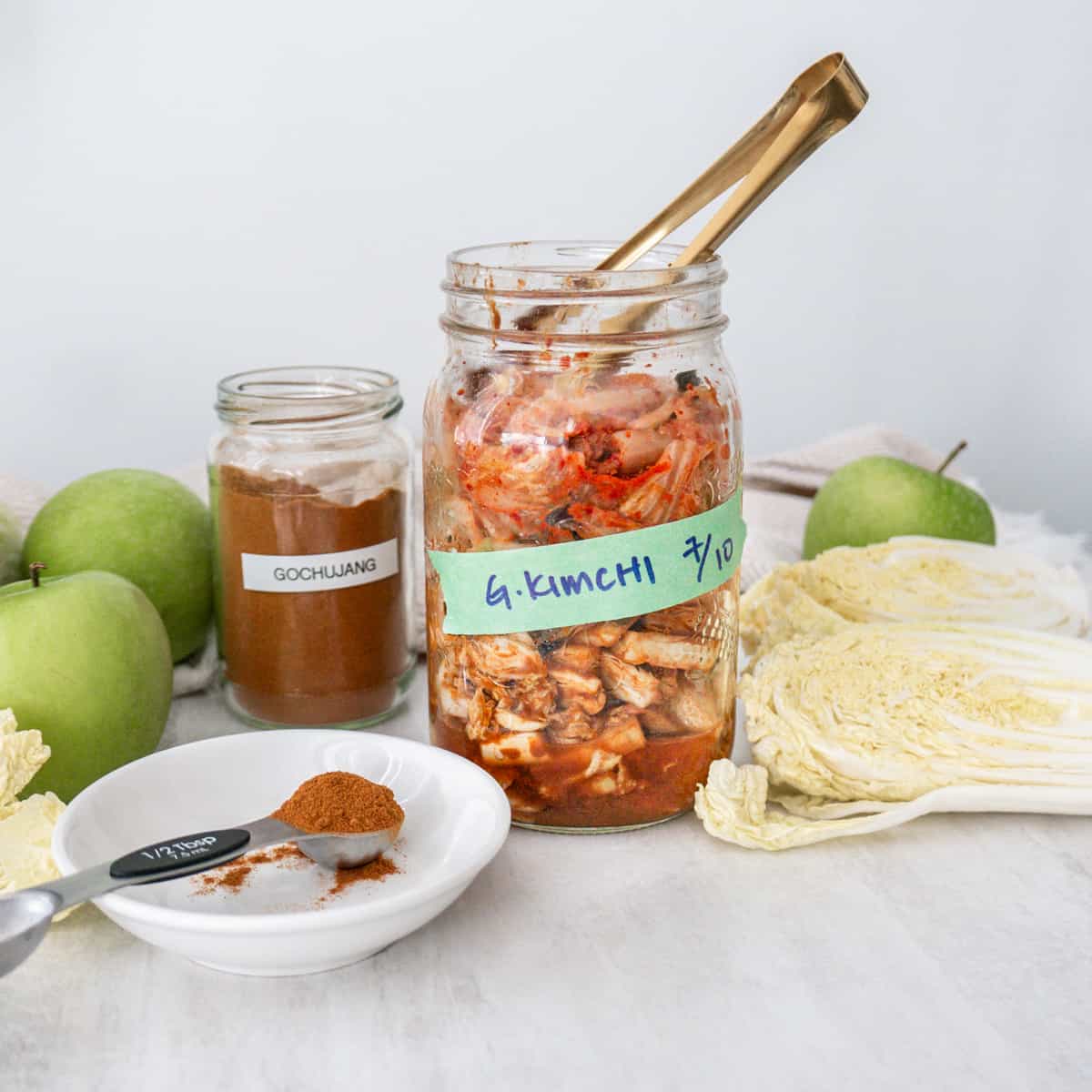
> In This Post: Everything You'll Need For Homemade Kimchi with Apples
Making kimchi without fish sauce at home in mason jars is easy!
If you are an avid kimchi lover like me and want to add kimchi literally to everything yet are tired of the same kinds of vegetables that go into traditional kimchi, a good alternative is to sweeten it with apples.
Check out this quick story summary of our recipe!
Jump to:
- What Is Kimchi?
- Why Green Apple Works in Kimchi
- Health Benefits of Green Apple Kimchi
- Green Apple Kimchi and TCM Gut Health
- Ingredients and Substitutes
- Vegan Substitutes for Fish Sauce
- What Equipment Do You Need To Make Kimchi
- Vegan vs. Traditional Kimchi: What's the Difference?
- Instructions - How to Make Vegan Green Apple Kimchi at Home
- Where to Buy Ingredients in Canada
- How Long Does Kimchi Last? Storage Tips
- What to Do When Kimchi Gets Too Sour
- Other Recipes to Make With Your Kimchi
- > Recipe Card
- Spicy Vegan Green Apple Kimchi (No Fish Sauce)
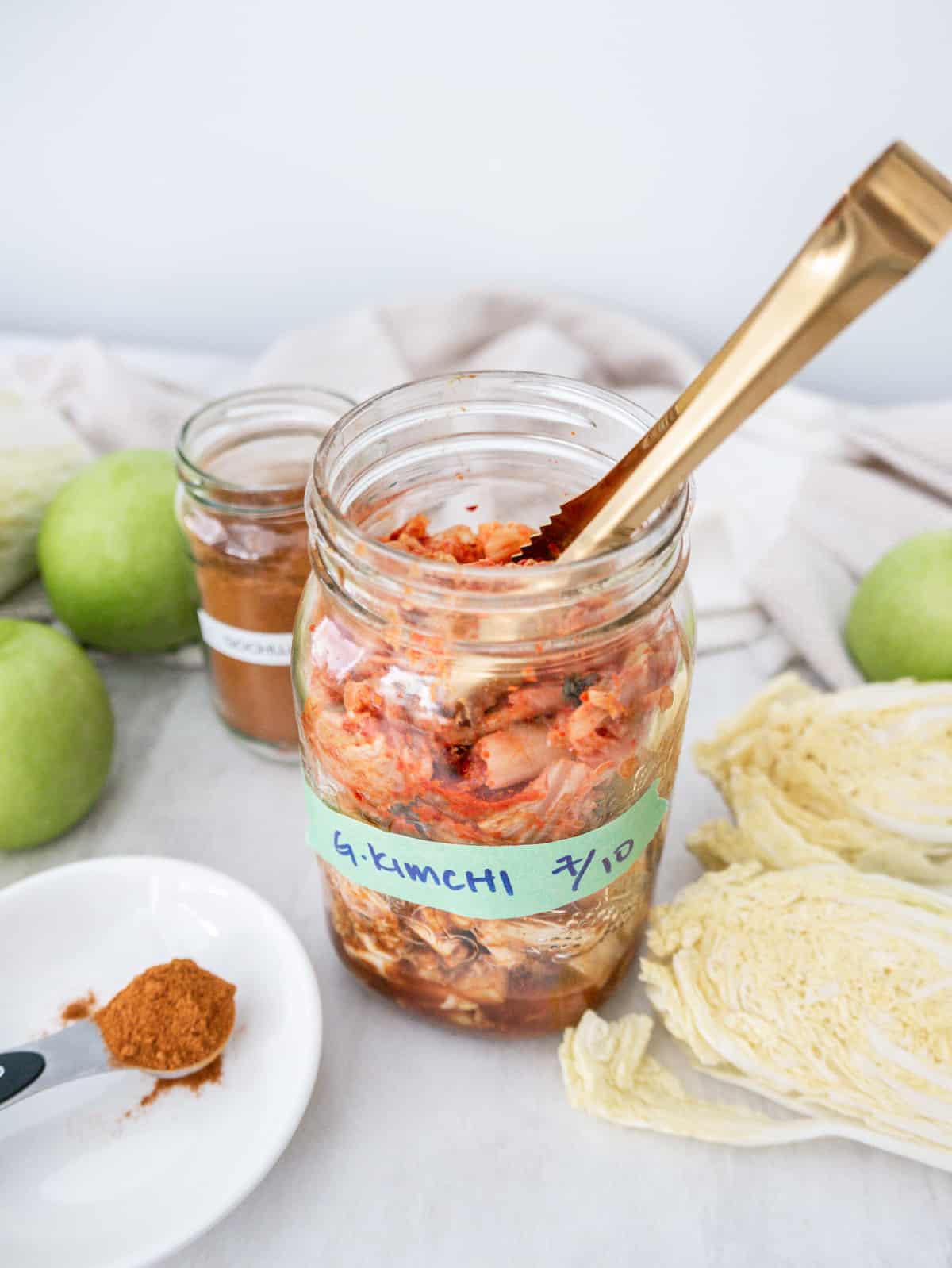
What Is Kimchi?
Kimchi (김치 in Hangul) is a traditional Korean fermented side dish, typically made with napa cabbage, salt, gochugaru, green onions, garlic, ginger, and jeotgal (salted seafood). It's spicy, tangy, and packed with umami. Koreans eat it at virtually every meal, and honestly, the rest of us are catching up fast.
This version keeps the soul of kimchi intact while making it accessible for vegan and plant-based eaters. We love adding this zippy fermented cabbage to everything!
Here are a couple kimchi-forward bowls I am genuinely obsessed with from the blog! Both these recipes are plant-based and vegan!
- Kimchi Cauliflower Fried Rice
- Vegan Spicy Beef Stew (Yukgaejang) 육개장
- Caramelized Kimchi Recipe (Brown Butter Sugar)
- Kimchi Jjigae

Why Green Apple Works in Kimchi
Granny Smith apples bring natural acidity and crunch, both of which traditional kimchi relies on from the cabbage. The apple's pectin also acts as a prebiotic, feeding the good bacteria that make fermentation happen. You get the tang you want with a subtle sweetness that rounds out the heat.
Think of it as kimchi's more refined sibling. Same energy, better table manners.
If you love cooking with kimchi, these recipes are worth saving: Kimchi Cauliflower Fried Rice, Vegan Spicy Beef Stew (Yukgaejang), and Caramelized Kimchi with Brown Butter and Sugar.
Health Benefits of Green Apple Kimchi
Vegan green apple kimchi is nutrient-dense and remarkably low in calories. A 100g serving contains under 1g net carbs, making it keto-friendly without any effort.
The fermentation process produces beneficial strains of Lactobacillus, Leuconostoc, and Weissella bacteria. These strains support a healthy gut microbiome and improve digestion over time. Kimchi is one of the most studied fermented foods for gut health, and the research keeps getting better.
Granny Smith apples contribute vitamin C, potassium, and dietary fibre. The pectin in green apples acts as a prebiotic, meaning it feeds the beneficial bacteria rather than just riding along. People managing irritable bowel syndrome often find fermented foods like this easier to tolerate than raw vegetables.
Ginger, included in the spicy paste, stimulates stomach acid secretion and further supports digestion. It also brightens the flavour in a way that no amount of extra chilli can replicate.
A Note on Probiotics for Women
Probiotic-rich foods like kimchi are especially beneficial for hormonal balance and immune function. Gut health directly influences estrogen metabolism, mood regulation, and inflammation. Adding a tablespoon or two of green apple kimchi to daily meals is one of the simplest upgrades you can make.
Green Apple Kimchi and TCM Gut Health
In Traditional Chinese Medicine, the Spleen and Stomach (脾胃) are considered the foundation of digestive health and overall vitality. When the Spleen is weak or overwhelmed by dampness, you'll notice symptoms like bloating, fatigue after eating, loose stools, and a general feeling of heaviness. Fermented foods are one of the most direct ways to support Spleen function and restore digestive balance.
Fermented vegetables align with TCM's principle of using transformation to make foods easier to assimilate. The fermentation process partially breaks down the cell walls of vegetables and fruit, reducing the digestive load on a compromised Spleen. For anyone dealing with dampness patterns, adding small amounts of probiotic-rich fermented food to daily meals is a practical, consistent intervention rather than a dramatic cleanse.
Ginger, garlic, and green onions, all present in this vegan green apple kimchi, are warming aromatics that TCM classifies as Spleen-supporting. Ginger in particular is used to dispel cold and dampness from the middle burner, which is TCM shorthand for the digestive system. The tartness of Granny Smith apple also corresponds to the sour flavour in the Five Element framework, which has an astringent, gathering quality that benefits the Liver and supports smooth digestion.
This is not a heavy medicinal formula. It's a condiment. But eaten consistently alongside meals, it does exactly what TCM asks of good everyday food: it works quietly in the background.
For more on seasonal eating and dampness-clearing through food, the Spring Dampness After Jingzhe: TCM Foods and Recipes guide covers the full picture. For a year-round Spleen tonic soup that pairs naturally with fermented sides like this one, Si Shen Tang 四神湯 is the place to start.
Ingredients and Substitutes
Different varieties of kimchi are available at your local Asian market, but be mindful that not all kimchi are vegan. You can easily make vegan kimchi without the fish sauce and anchovies.
A few honest pantry staples are all you need for this vegan kimchi with Granny Smith apples.
This traditional Korean dish with apples may seem an unusual twist on a classic but trust us, you will become obsessed too!
Green Apples - Choose dense, firm Granny Smith apples. Heirloom apple varieties work beautifully here too. Their complex flavour, bright and tart with a faint sweetness, mimics the sharp quality of well-brined cabbage. Avoid any apple that's mealy or soft; the texture is half the point.
We are going for that crispy, crunchy texture!
Gochugaru - Korean red chilli pepper powder gives kimchi its signature colour and smoky, fruity heat. Find it at any Korean grocery or Asian supermarket. If you're in a pinch, gochujang (Korean chilli paste) works as a substitute, though the texture and intensity will differ slightly. Skip paprika or Cajun powder; they won't give you the same result.
Spring Green Onions (Scallions) - These add a peppery lift with a sweet undertone. They're not optional in spirit, even if they are in the recipe.
Garlic Cloves - Omitting garlic from kimchi would be, frankly, a personal failing. Use fresh cloves, minced fine.
Ginger - Fresh ginger stimulates stomach acid, brightens the fermentation, and adds warmth without muddying the heat.
Sugar - Sugar feeds the lactic acid bacteria that drive fermentation. One medium Granny Smith contains about 19g of natural sugar, so the added sugar isn't as dramatic as it looks.
Kosher Salt - Non-Iodized Salt The salt is critical. It draws moisture from the vegetables, creates the brine environment, and prevents mould. Iodized salt can inhibit fermentation, so always use non-iodized.
Ginger - Fresh ginger is a tasty and valuable wet aromatic ingredient to include. The purpose of ginger in kimchi is to stimulate the secretion of stomach acids and aid digestion and gut health. Ginger brightens the flavour and aids the fermentation.
Optional Ingredients
Napa Cabbage - the epitome of kimchi at its core. Traditional napa cabbage kimchi 통배추김치 is an iconic humble side dish with salt, gochugaru, green onions, garlic, ginger, fresh herbs and jeotgal (salted seafood). It is aggressive, bright and spicy. Adding napa cabbage will give your green apple kimchi a familiar taste and profile.
Carrot - Authentic kimchi recipes may add carrots for sweetness and extra crunchy texture.
Daikon Radish - Another popular kimchi recipe uses cubed radish called Kkakdugi 깍두기. Often you will see daikon radish added to kimchi recipes to enhance the texture variety. I love its crunchy, snappy texture.
You can purchase most dry goods ingredients, tools and supplies at your local grocery stores or online at my Amazon Store. I have linked the products for your convenience!
Vegan Substitutes for Fish Sauce
Traditional kimchi uses fish sauce for its salty, deeply savoury kick. For a fully plant-based version, use miso paste, light soy sauce, liquid aminos, or a vegan fish sauce. Miso paste is the strongest match in terms of fermented depth and body.
Fish sauce - Fish sauce is typically used in traditional kimchi-making to accelerate fermentation in Korean cuisine. Fish sauce is salty, packed with umami and contains anchovy, shrimp, mackerel and other fish with intense flavour.
It is easy to make plant-based fermented kimchi without the fish sauce. Opt out of adding fish sauce to make vegan kimchi.
Miso Paste - Instead, use miso paste, soy sauce, liquid amino acid or vegan fish sauce to mimic that delicious savoriness of fish sauce and fermented shrimp.
Organic Apple Cider Vinegar - A tablespoon of organic apple cider vinegar is also a good addition if you want extra tang and the antimicrobial benefits of ACV! ACV is an excellent ingredient in probiotic drink recipes. It is a great way to add extra health-beneficial properties, including antimicrobial and antioxidant effects.
This variation without fish sauce is as delicious as the authentic Korean mother-of-the-bride recipes.
What Equipment Do You Need To Make Kimchi
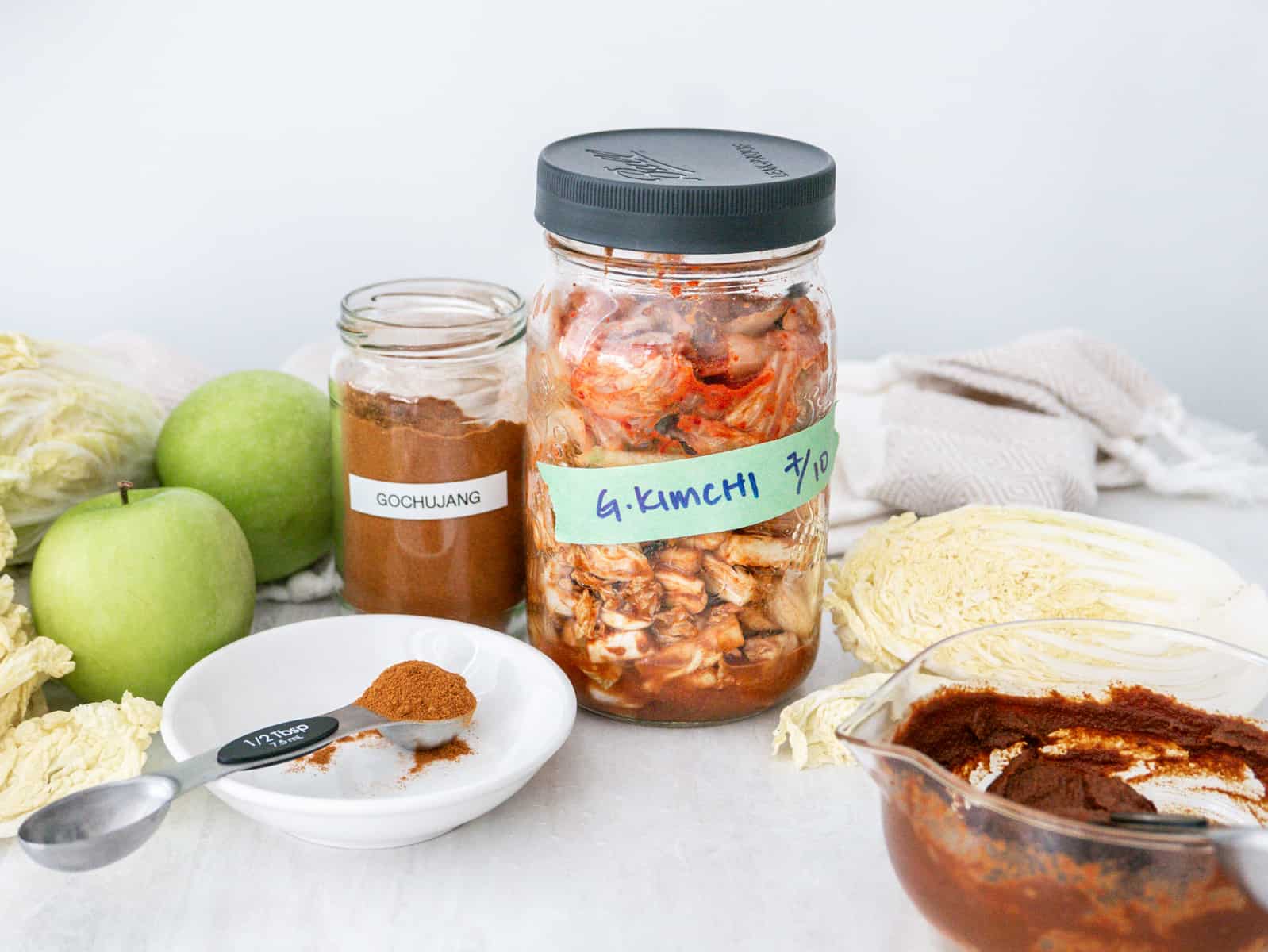
Depending on how much kimchi you intend to make, you only need a 5-gallon ceramic fermenting jug, "rot jug," or a large mason jar. Use a weight to keep the kimchi mixture free of air and a screw-on lid for your canning jars. A lid is helpful to let out the fermentation gas.
How To Make Kimchi At Home
Check out these easy kimchi-making kits at home.
Kimchi-making equipment does not need to be fancy. A simple mason jar is perfect for making kimchi in small batches.
I highly recommend The Art of Fermentation by Sandor Katz to learn more about fermentation. It is a New York Times Bestseller.
Do You Need a Starter Culture?
No. Unlike sourdough, yogurt, or cheese, kimchi doesn't need a separate starter. The beneficial Lactobacillus bacteria are already present on the surface of the vegetables. A small amount of sugar jumpstarts their activity, and the salt keeps everything else in check.
Kimchi vs. Sauerkraut: What's the Difference?
Both are lacto-fermented vegetables, but the similarities mostly end there. Sauerkraut uses only cabbage and salt, fermenting slowly over weeks. Kimchi incorporates a spice paste, aromatics, and (optionally) fruit, and ferments much faster. Kimchi also has a significantly more complex flavour profile and a brighter, spicier character.
This how to make kimchi without fish sauce recipe ferments in 5 to 7 days under refrigeration, which is slower than room-temperature fermentation (1 to 2 days) but produces a more controlled, consistently flavoured result.
Vegan vs. Traditional Kimchi: What's the Difference?
A side-by-side look at what changes when you leave out the fish sauce.
Instructions - How to Make Vegan Green Apple Kimchi at Home
Baechu 배추, Chinese cabbage, is the main ingredient in traditional kimchi. Chinese cabbage is the same as napa cabbage but is not the same as regular cabbage. Regular cabbage is round with thick waxy leaves. Chinese cabbages are thin, crispy and delicate.
The fermentation of napa cabbage can be broken into two stages.
First Stage: Brining - the cabbage is soaked in a salt brine to kill off harmful bacteria. Excess moisture is also released.
Second Stage: Fermenting - Good Lactobacillus bacteria convert sugar into lactic acid, preserving the vegetable.
Step 1: Brine the Cabbage
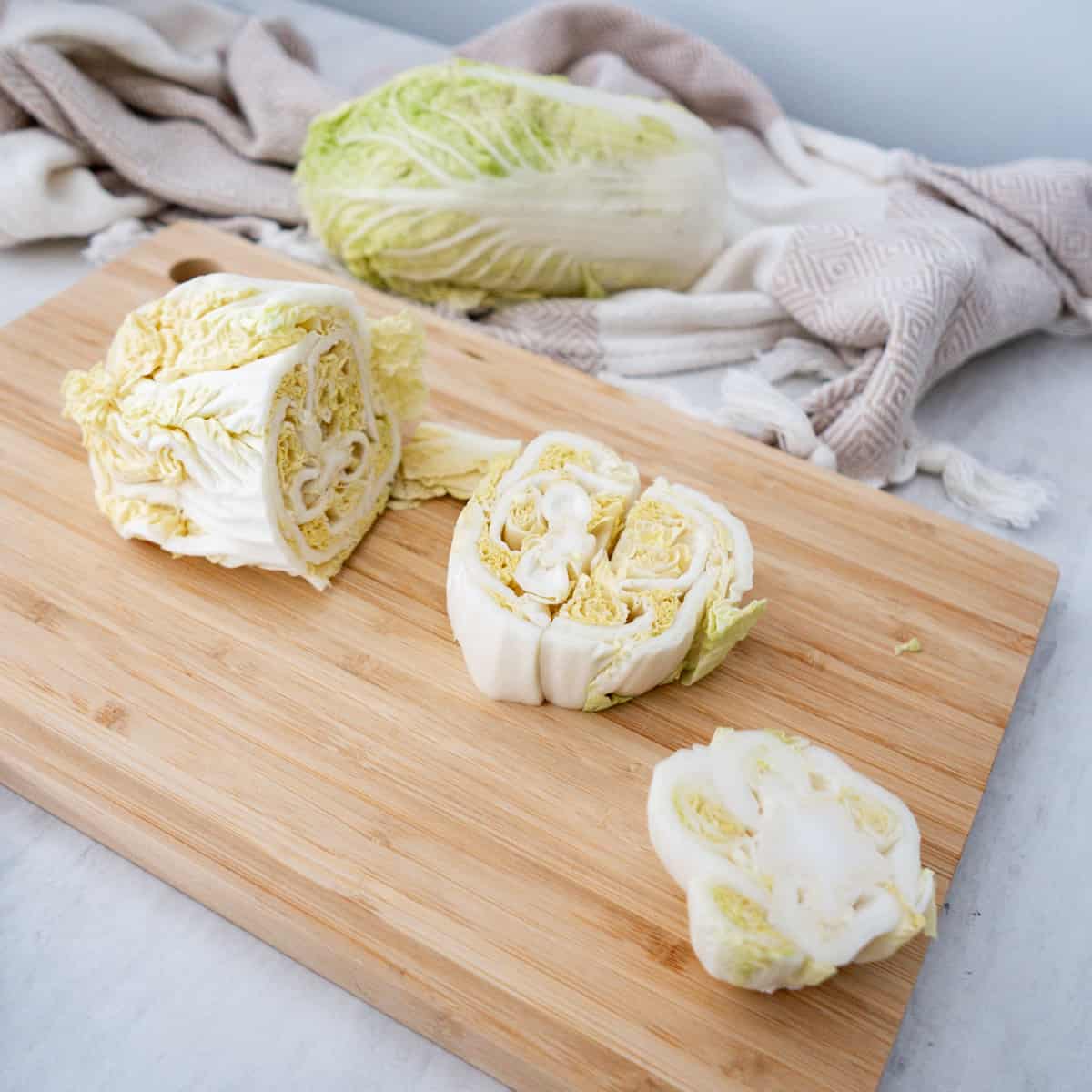
Wash and pat dry the napa cabbage. Cut it into quarters lengthwise with the core intact, or into smaller pieces with the core removed. Either approach works; it comes down to personal preference and jar size.
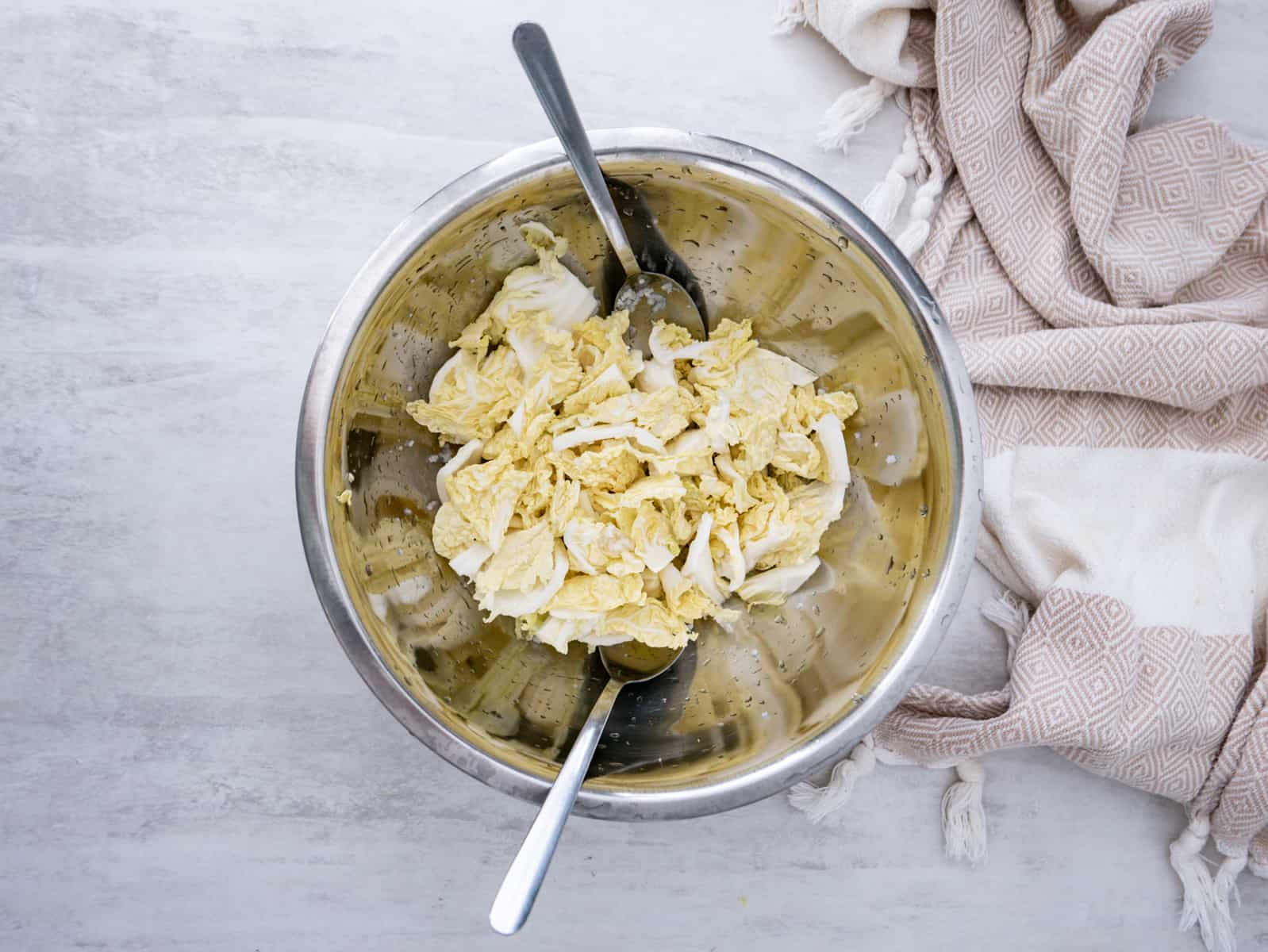
In a large mixing bowl, combine the cabbage and kosher salt. Work the salt between every leaf and into the crevices. Don't worry about it tasting too salty at this stage; you'll rinse it all off later. Let the cabbage rest for 2 hours, massaging and flipping it halfway through.
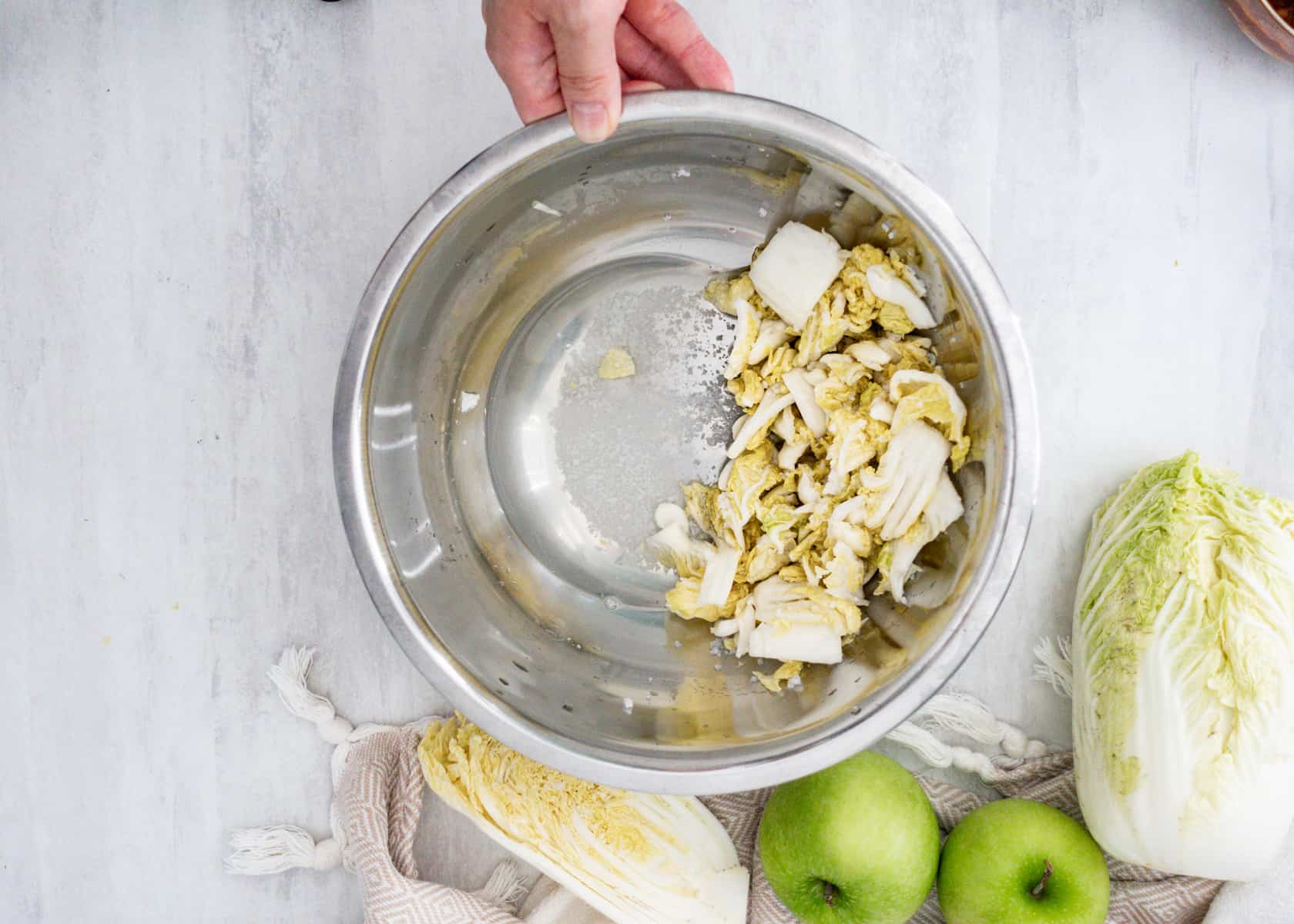
Once the cabbage has wilted and released its liquid, rinse it thoroughly and squeeze out as much water as possible. It should feel limp but not waterlogged.
Step 2: Make the Spicy Chilli Paste
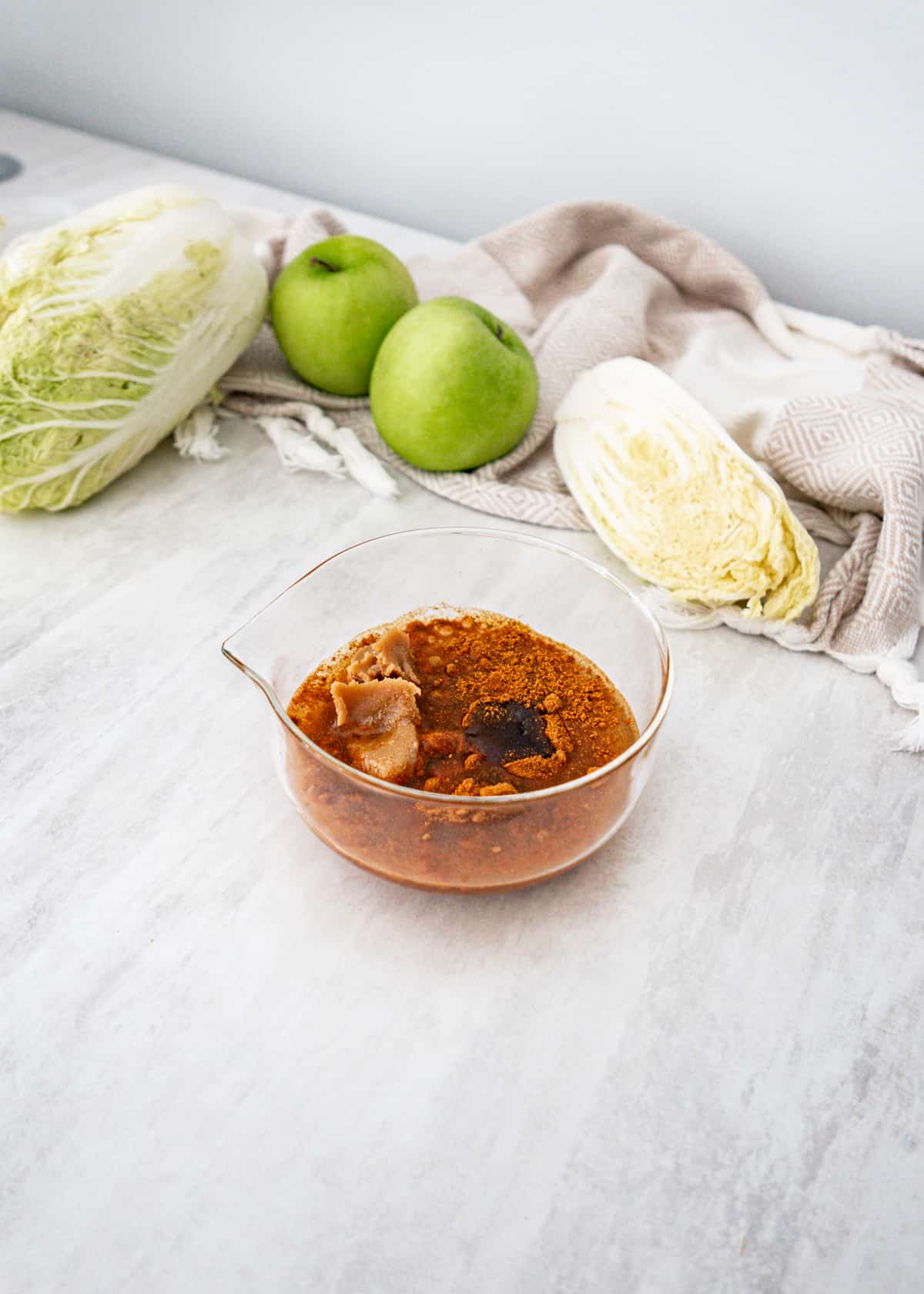
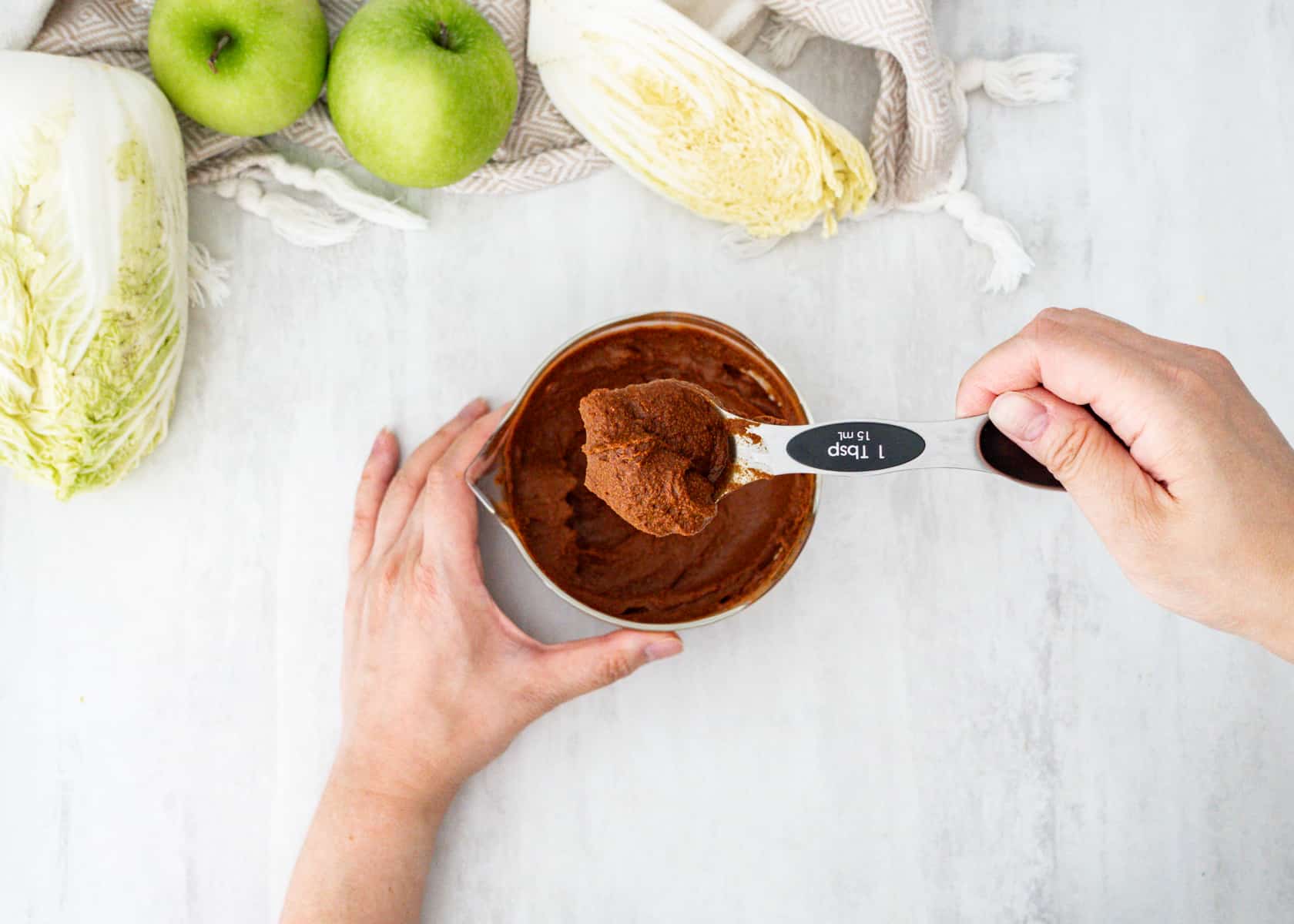
While the cabbage brines, blend gochugaru, minced garlic, fresh ginger, brown sugar, and miso paste in a clean food processor until smooth. This is your kimchi paste, and it's where all the flavour lives.
Adjust the gochugaru to taste. Five tablespoons gives a solid heat level; halve it for something more approachable for kids or spice-shy guests.
Step 3: Prep the Remaining Ingredients
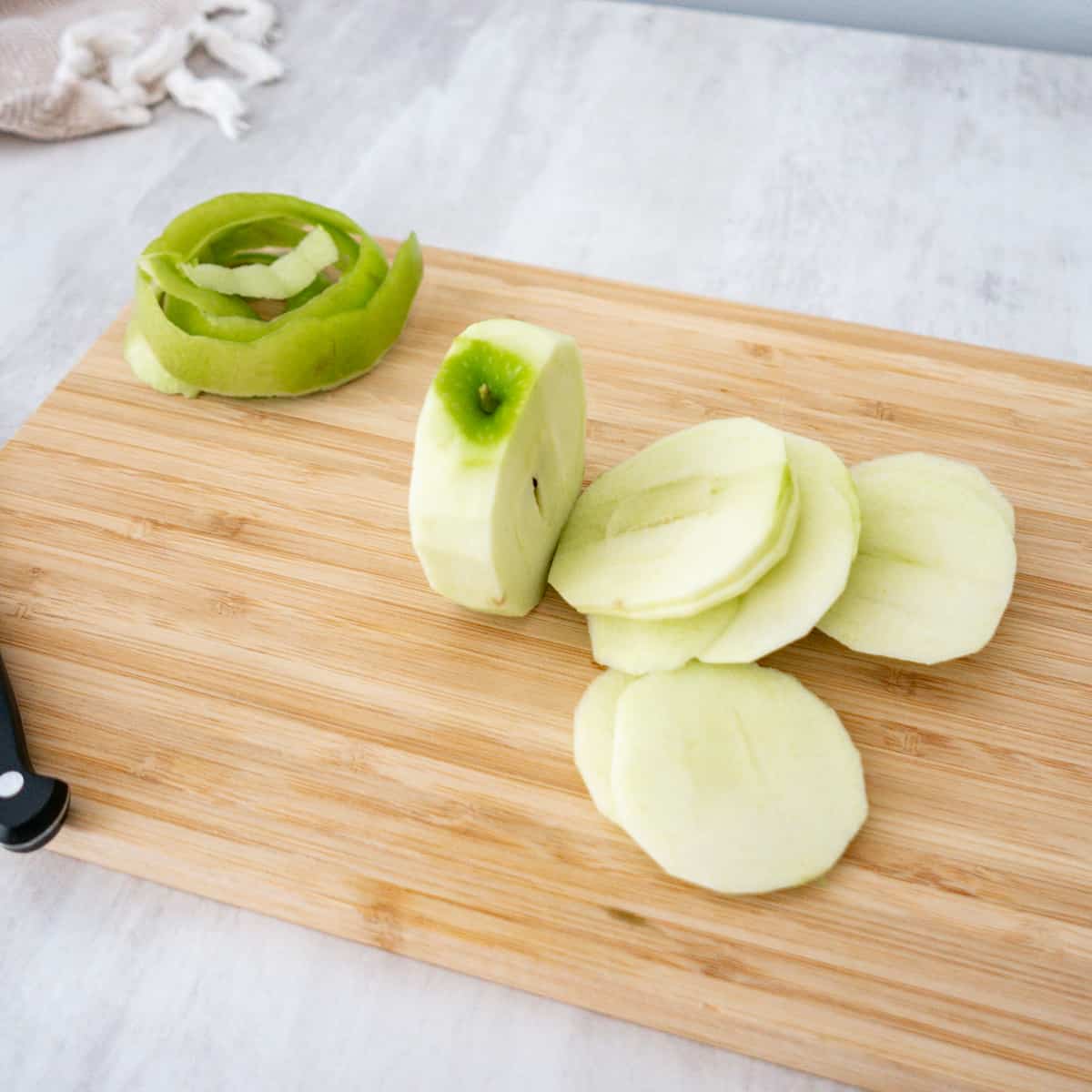
Peel, core, and slice the Granny Smith apple into thin pieces, roughly a quarter inch. A spiralizer works beautifully here for both texture and presentation. Julienne the carrot, daikon radish, and green onions into matchsticks about 5cm long. Slice the white onion into half-moons.
We recommend stainless steel chopsticks to prevent staining your wooden/plastic chopsticks later with red chilli pepper paste.
Step 4: Assemble the Kimchi
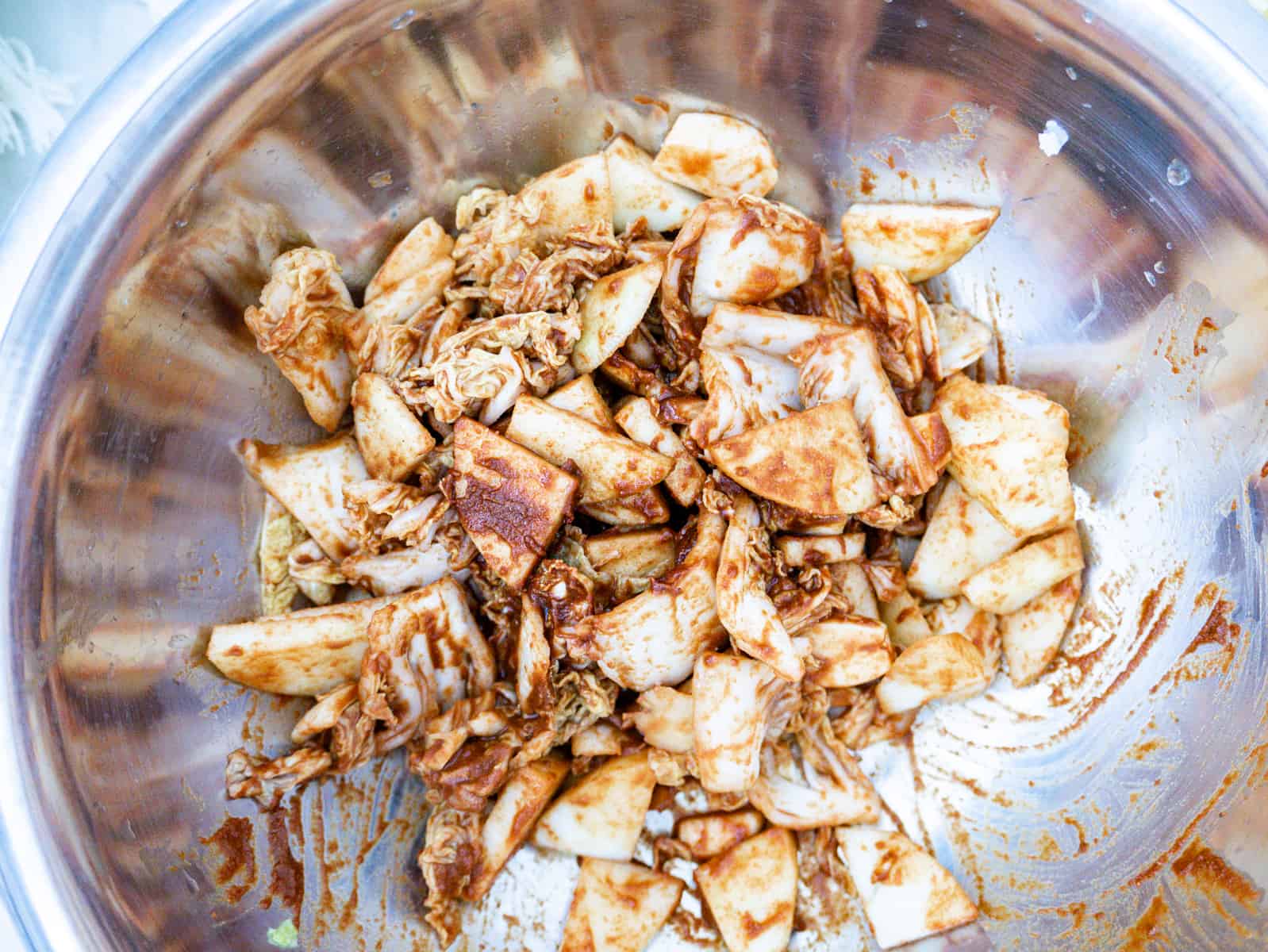
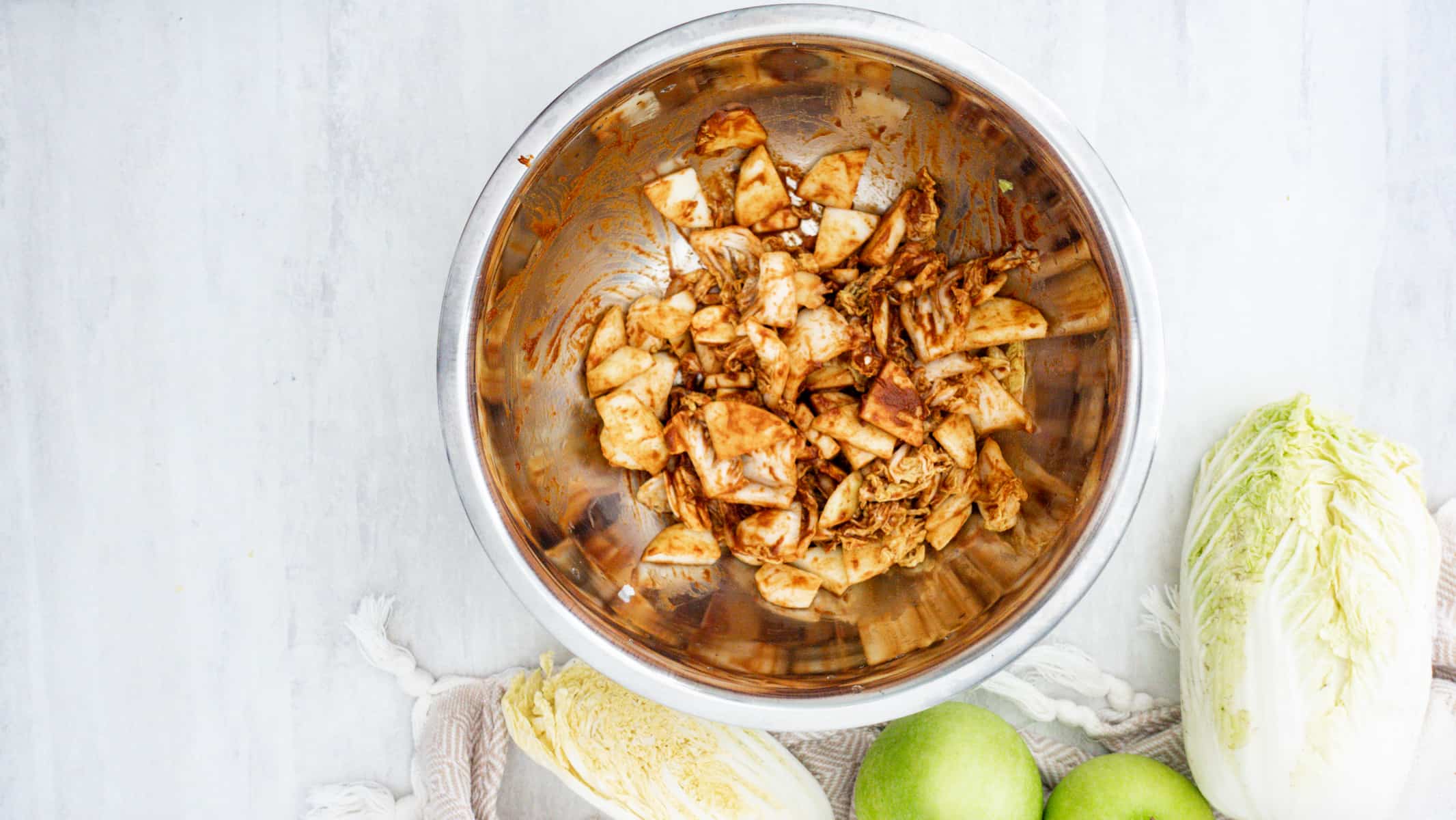
Add the rinsed cabbage, sliced apple, carrots, daikon, green onions, and chilli paste to a large mixing bowl. Mix everything thoroughly with gloved hands, making sure the paste coats every piece evenly.
Pro Tip: Wear disposable food prep gloves when working the chilli paste into the vegetables by hand. Gochugaru will stain skin and can irritate bare hands if you're working with a full batch.
Pack the mixture tightly into sterilized mason jars, pressing down firmly to eliminate air pockets. Leave about 2.5cm of headspace at the top to allow for the gases released during fermentation. Seal with a lid and place the jar on a plate in the refrigerator to catch any overflow.
Fermentation Tips
Check the jar every other day. Press the mixture down to release the accumulated gas and ensure everything stays submerged in the liquid. The kimchi will be ready to eat after 5 to 7 days in the refrigerator.
Younger kimchi has a bright, effervescent quality. The longer it ferments, the more pungent, sharp, and tart it becomes. Aged kimchi is excellent for cooking. If it gets too aggressive for eating fresh, try the Caramelized Kimchi recipe, which tames the sourness beautifully.
Where to Buy Ingredients in Canada
Gochugaru and miso paste are readily available at T&T Supermarket, H Mart, and most Korean grocery stores across Canada. For Granny Smith apples, any major grocery store carries them year-round, and the quality is reliably consistent.
I usually buy non-iodized sea salt and bulk apple cider vinegar at Costco because the price and quality are consistent, and you'll go through both faster than you'd expect once you start making fermented foods regularly. The same goes for bulk garlic, which Costco sells in large quantities that are practical for any household doing regular meal prep.
Daikon radish and napa cabbage are easiest to find at T&T or any Asian grocery. Most Safeway and Superstore locations across BC and Alberta now carry them as well.
If sourcing locally isn't convenient, gochugaru, gochujang, and kosher salt are all available online through Amazon Canada. Links to recommended products are in the recipe card below.
Meal Prep and Family Meals
This recipe is built for batch cooking. Make one large jar on a Sunday, and you have a ready-made condiment, side dish, and flavour booster for the entire week. It costs a fraction of store-bought kimchi and contains none of the preservatives.
Green apple kimchi works across so many formats that it earns its real estate in your fridge. Serve it alongside rice bowls, tuck it into grain salads, or use it as a topping for fried eggs in the morning. It also makes any grain bowl feel significantly more intentional.
For families managing household food budgets, making kimchi at home is one of the better cost-per-serving wins in the kitchen. A jar that would cost $10 to $14 at a specialty grocery store costs under $5 to make from scratch, using produce and pantry staples you likely already have on hand.
It's also a practical way to use up Granny Smith apples before they turn. If you've ever bought a bag from Costco and found yourself with more than you can eat fresh, this is exactly the kind of recipe that makes bulk buying worth it.
How Long Does Kimchi Last? Storage Tips
Store vegan green apple kimchi in an airtight mason jar or fermentation container in the refrigerator for up to 3 months. The flavour will continue to develop over time, growing more sour and complex with each passing week.
Always use clean utensils when scooping from the jar. Introducing outside bacteria can shorten the shelf life and affect the fermentation quality.
If the brine level drops below the vegetables, press the mixture down firmly and add a small amount of salted water (1 teaspoon non-iodized salt per cup of cold water) to keep everything submerged. This is normal and not a sign that anything has gone wrong.
What to Do When Kimchi Gets Too Sour
Overfermented kimchi without fish sauce is not ruined. It's an ingredient. Use it in kimchi jjigae (kimchi stew), stir it into udon broth, or press it into pancakes (kimchi jeon). The caramelized kimchi method on this blog is another excellent use: a quick pan with brown butter and sugar transforms aggressive kimchi into something deeply savoury and slightly sweet. It's one of the better things to come out of a jar gone rogue.
Serving Suggestions
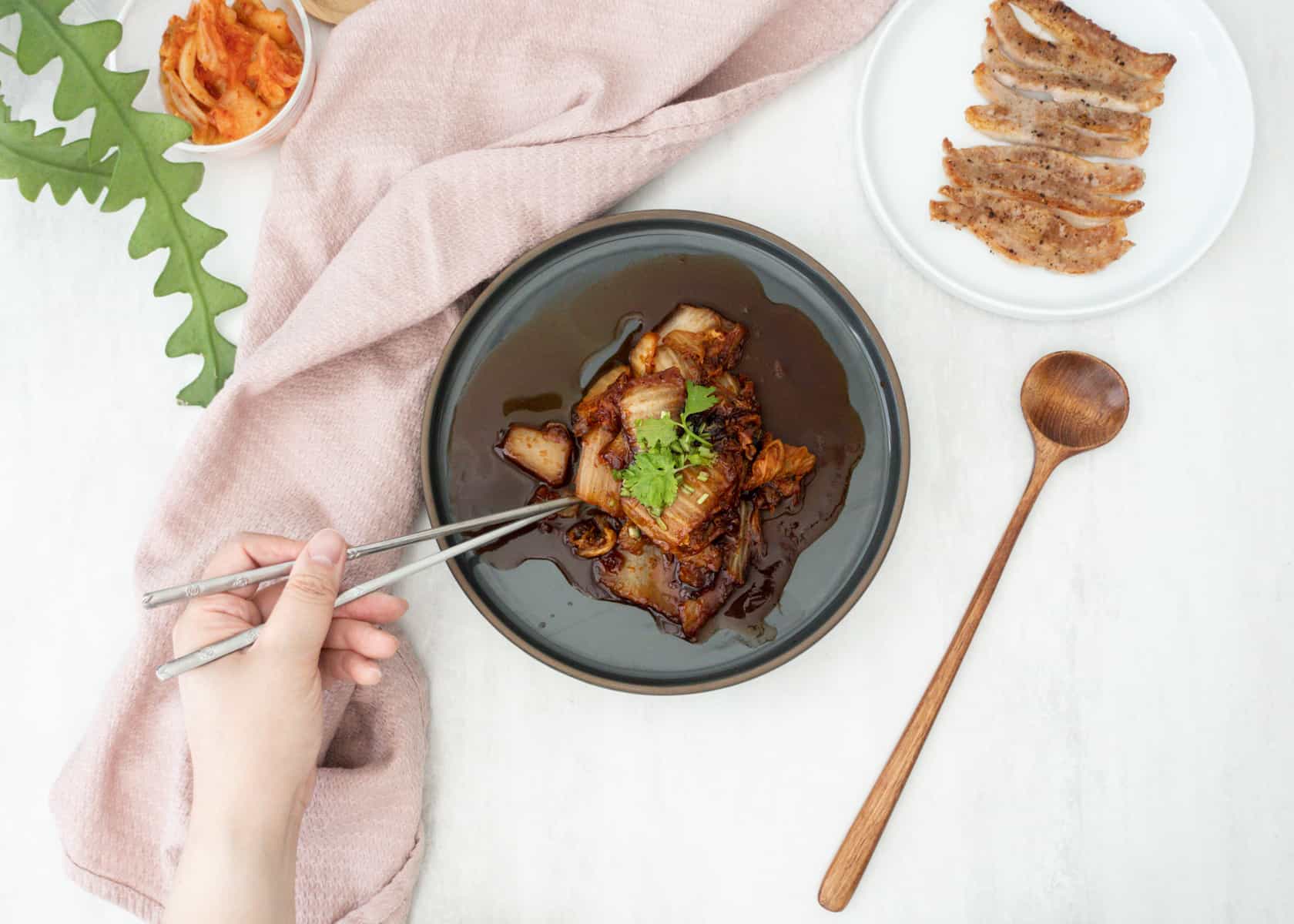
Vegan green apple kimchi is genuinely versatile. Serve it as a banchan (Korean side dish) alongside steamed rice and any protein. Add it to ramen or udon bowls for an acidic punch that balances the richness of the broth. Use it as a topping for bulgogi short ribs or grilled tofu.
For a quick weeknight dinner, serve it over jasmine rice with a soft-boiled egg and a drizzle of sesame oil. That combination costs almost nothing and takes ten minutes. You can also fold it into scrambled eggs or use it as a taco topping with avocado and cilantro.
Frequently Asked Questions (FAQs)
Yes. The napa cabbage is optional in this recipe. The Granny Smith apple provides enough structure and acidity on its own, and the texture stays pleasantly crisp through fermentation.
This recipe uses 5 tablespoons of gochugaru, which produces a medium heat level. Reduce to 2 or 3 tablespoons for a milder result, or increase for more intensity. The apple's natural sweetness softens the heat noticeably compared to traditional cabbage-only kimchi.
Yes. The fermentation process is driven by naturally occurring Lactobacillus bacteria on the vegetables, not by the fish sauce. Removing fish sauce does not affect the probiotic content; it only changes the flavour profile.
Granny Smith is strongly recommended because of its density and acidity. Softer, sweeter apple varieties will break down during fermentation and may result in a mushy texture. If Granny Smith isn't available, a Fuji or Pink Lady will hold up better than a Gala or McIntosh.
The heat, tang, and fermented character remain largely the same. The umami depth is slightly different without fish sauce, but miso paste compensates well. Most people who try this version find it genuinely hard to tell the difference once fermented.
Check your salt. Iodized salt inhibits the Lactobacillus bacteria and can stall fermentation entirely. Switch to non-iodized kosher or sea salt. Also ensure the vegetables are fully submerged in brine and that the jar is properly sealed.
Other Recipes to Make With Your Kimchi
Kimchi is a great condiment and topping for a variety of meals. Once your jar is ready, the options expand quickly. These recipes all put kimchi to good use:
- Kimchi Cauliflower Fried Rice
- Vegan Spicy Beef Stew (Yukgaejang) 육개장
- Caramelized Kimchi Recipe (Brown Butter Sugar)
- Kimchi Jjigae
- Kimchi Udon Noodles
- Hot Dog with Kimchi Relish
- Kimchi Butter Ramen
- Bulgogi Tacos with Kimchi
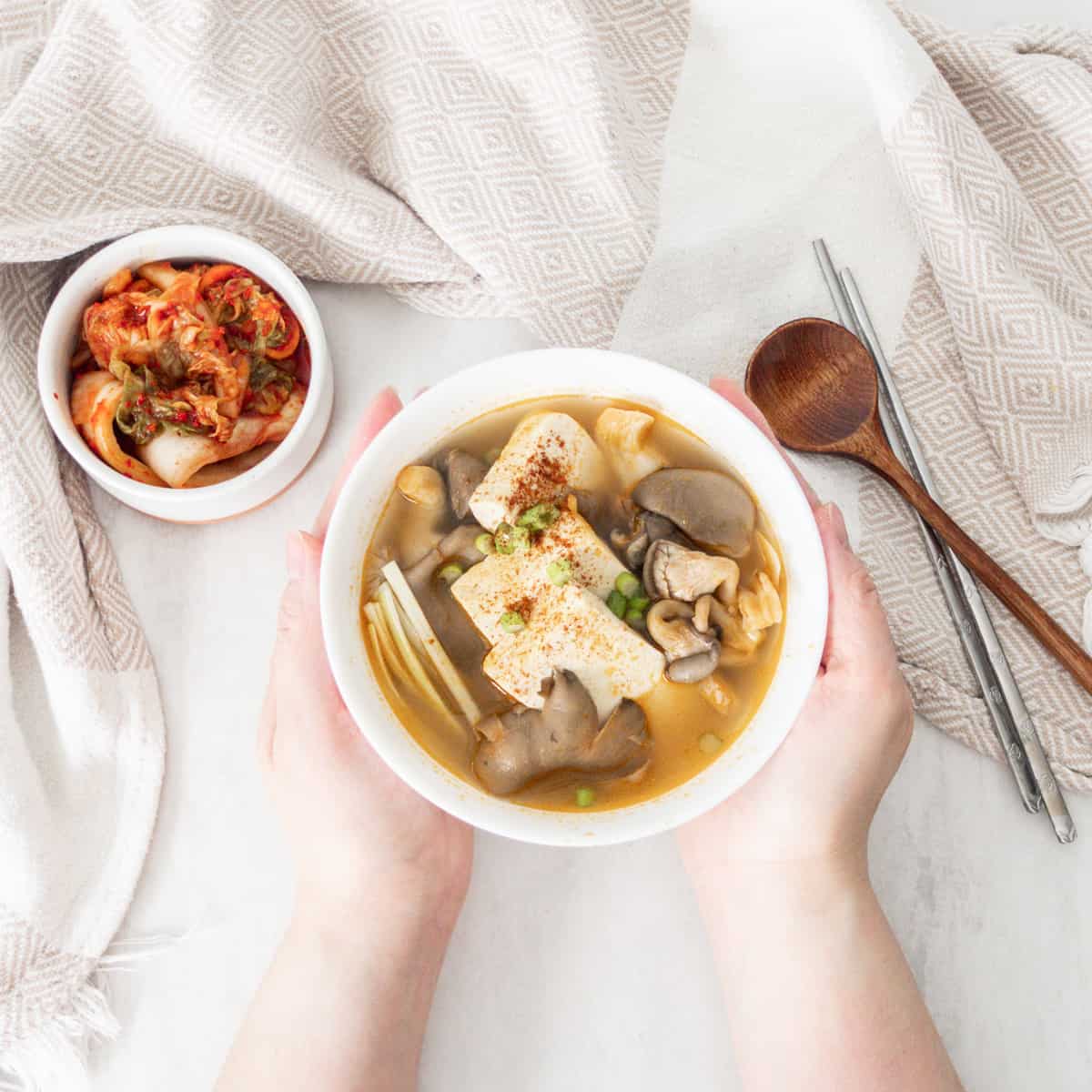
What To Serve With The Best Spicy Kimchi with Apple Recipe
Serve this traditional Korean side dish with a tangy twist with bulgogi short ribs, ramen or noodle bowls! Adding kimchi is an excellent addition to a balanced diet.
I'd love to see how you went with my recipes! Leave a comment below or tag me on Instagram @INSTANOMSS #INSTANOMSS.
> Recipe Card
PrintSpicy Vegan Green Apple Kimchi (No Fish Sauce)
A small-batch vegan green apple kimchi made with crisp Granny Smith apples, gochugaru, and miso paste. No fish sauce, no complicated equipment, and no fermentation experience required. Spicy, tangy, probiotic-rich, and ready to eat in 5 to 7 days.
- Prep Time: 15
- Cook Time: 5
- Total Time: 20 minutes
- Yield: 4-6 persons 1x
- Category: Appetizers, Snacks
- Method: Mix
- Cuisine: Korean
- Diet: Vegan
Ingredients
Apple Kimchi Base
- 1 lb (450g) baby napa cabbage, core removed, cut into 2.5cm pieces
- 1 medium Granny Smith green apple, peeled, cored, sliced into 6mm pieces
- ¼ white onion, sliced into half-moons
- 1 cup non-iodized kosher salt
- Enough cold water to submerge the napa cabbage for brining
Spicy Chilli Paste
- 5 tbsp gochugaru (Korean red chilli pepper powder)
- 5 to 8 garlic cloves, minced
- 1 thumb-sized piece of fresh ginger, peeled and minced
- 100g brown sugar
- 100g miso paste or light soy sauce
Optional Add-Ins
- 500g carrot, julienned
- 500g daikon radish, julienned or cut into small pieces
- 100g spring green onions (scallions), julienned
- 1 tbsp organic apple cider vinegar
 Get Recipe Ingredients
 Instructions
Brine the Cabbage
- Wash and pat dry the napa cabbage. Cut into quarters lengthwise with the core intact, or into smaller pieces with the core removed.
- In a large mixing bowl, combine the cabbage and kosher salt. Work the salt between all the leaves. Don't worry about it tasting too salty; you'll rinse it later.
- Let rest for 2 hours. Massage and flip the cabbage halfway through.
- Rinse the cabbage thoroughly under cold water. Squeeze out as much moisture as possible and set aside.
Make the Spicy Chilli Paste
5. Add gochugaru, minced garlic, ginger, brown sugar, and miso paste to a clean food processor. Blend until smooth.
6. Taste and adjust heat level. Add more gochugaru for extra fire, or reduce for a milder batch.
Prep the Remaining Ingredients
7. Peel, core, and slice the Granny Smith apple into thin pieces (about 6mm). Spiralized apple is a fun option.
8. Julienne the carrot, daikon radish, and green onions into 5cm matchsticks. Slice white onion into half-moons.
Assemble and Ferment
9. Combine the rinsed cabbage, sliced apple, carrots, daikon, green onions, and chilli paste in a large mixing bowl. Mix well with gloved hands until everything is evenly coated.
10. Pack the kimchi mixture firmly into a sterilized mason jar, pressing down to eliminate air pockets. Leave 2.5cm of headspace.
11. Seal with a lid and place the jar on a plate in the refrigerator to catch any overflow from fermentation gases.
12. Check every other day. Press the mixture down to release gas and keep the vegetables submerged. The kimchi is ready to eat after 5 to 7 days. 13. Store in the refrigerator in an airtight container for up to 3 months.


Notes
- Use non-iodized salt only. Iodized salt inhibits fermentation.
- Add more gochugaru for extra heat; halve the amount for a milder batch suitable for kids.
- Miso paste is the preferred vegan substitute for fish sauce; soy sauce, liquid aminos, or vegan fish sauce also work.
- If the brine drops below the vegetables during fermentation, top up with a small amount of salted cold water (1 teaspoon non-iodized salt per 1 cup water).
- The longer it ferments, the more pungent and sour the kimchi will become. Overfermented kimchi is excellent in kimchi jjigae or caramelized kimchi.
Nutrition
- Serving Size: 1 jar
- Calories: 134
- Sugar: 18.1 g
- Sodium: 310.7 mg
- Fat: 2 g
- Carbohydrates: 28.1 g
- Fiber: 4.3 g
- Protein: 4 g
- Cholesterol: 0 mg

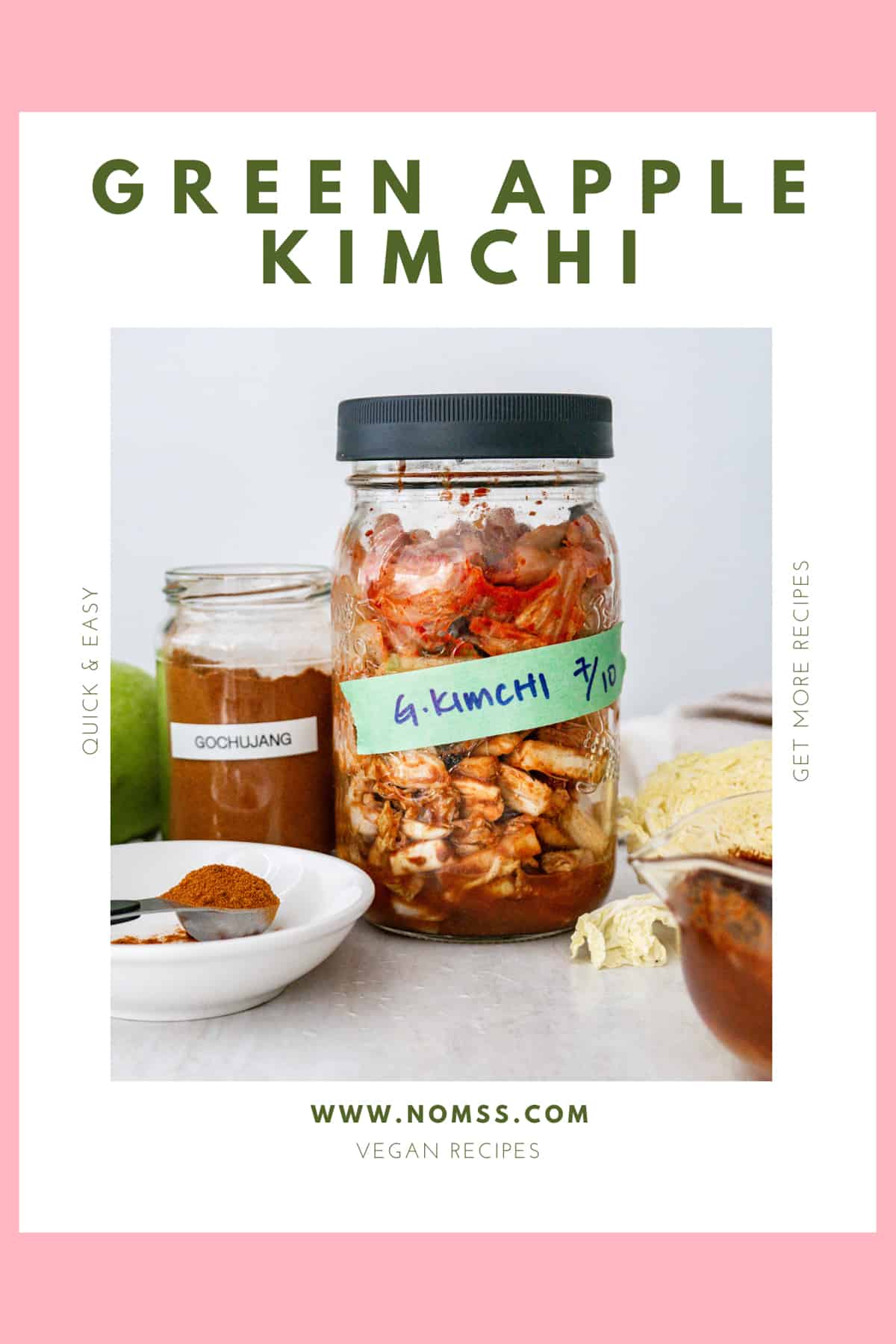
Pin the above image to your Vegan Recipe Pinterest Board to bookmark this page. We are so excited to share our recipes with you!
MORE VEGAN RECIPES:
- Super Alkaline Kale Salad
- Double-Steamed Snow Pear with Fritllaria Bulb Recipe 川貝燉雪梨
- Hawthorn Goji Berry Tea 山楂杞子茶
- Air Fryer Salt and Pepper Tofu
- Vegan Okonomiyaki Cauliflower Bites
- Anti-Inflammatory Vegan
- Hojicha Oat Milk Nice Cream (No Churn, Egg Free, Dairy Free)
- No Mayo Apple Vinegar Coleslaw






Anonymous says
Anonymous says
Anonymous says
Anonymous says
Anonymous says
Anonymous says
Choclette says
Never thought to add apple to kimchi before reading this. But wow, it works so well. Thank you for this excellent idea.
Nora says
Hubby and I loved this kimchi! Thank you for sharing this with us!
Marie Breton says
Didn’t know they have fish sauce without fish This recipe sounds just right, plus the added apples brings in a fun touch. Definitely trying this out soon! Yum!
Audrey says
I am such a kimchi fan and this one was a great twist on the traditional!!
andrea says
This kimchi dish turned out amazing! Love how the flavor turned out!
Rachael says
This sounds phenomenal! I'll need to give it a try.
Bernice says
Such a great idea! You did still add a bit of cabbage but what is kimchi without it? Great idea to use miso paste to make a vegan version too!
Rob says
Just made this and love it! The sweetness of the apple is the perfect contrast to the acidity. Great recipe!
Natalie Perry says
Love kimchi and all of its gut healing attributes! We had fun using our spiralizer with the apples!
Megane says
The apple is everything! Best kimchi ever. The only way I will make it now.
Helen at the Lazy Gastronome says
The apples go so well in this spicy kimchi. I love this stuff!
Amy says
Love the freshness of the apple in the kimchi!
Liz says
The green apple is a great addition! So good!
Cpg says
This Kimchee with apple ROCKS!. This recipe makes Kimchee simple
Elizabeth says
Love that this has no fish sauce! Thanks for the recipe!
Raia says
Oh my goodness! I love the addition of green apple in this kimchi! Such a fun idea. 🙂
Irena says
Love this recipe, a little different to how I have made it in the past but I enjoyed this new version. Also, ended up trying your caramelized kimchi after, should really comment on that too.
Dannii says
This was so easy to make and delicious. I want to put it on everything.
Ned says
This was amazing! My wife and I made it together and loved it!
Gabby says
I absolutely love this! Kimchi is my favourite ferment but I haven't put slices of apple into it before. It's delicious. And I love having a vegan version too.
Helen Fern says
I love these sour apples with the spicy!!
Ali says
Wow I love regular kimchi but this vegan green apple version looks incredible, I can’t wait to try it!
Elisa says
Love this QUICK SPICY GREEN APPLE KIMCHI recipe, is easy and vegan!! will try and make it soon, love kimchi. Thanks for sharing 🙂
Dennis says
I can't wait to try your recipe, It's been ages since I had kimchi!
Covita says
Great version of Kimchee- This site does a great job of making Kimchee easy.
Nancy says
Thanks ! can't wait to see your results!