
This Fish Maw Crab Soup recipe is an authentic Chinese delicacy that's surprisingly easy to make at home. Learn how to cook this silky, collagen-rich soup in just 30 minutes using simple ingredients like dried fish maw, sweet crab meat, and aromatic chicken broth. Perfect for Lunar New Year celebrations or special occasions, this traditional fish maw crab meat soup (蟹肉魚肚羹) delivers restaurant-quality results with minimal effort. The soup's creamy texture and umami flavour come from natural collagen in the fish swim bladder, making it both delicious and incredibly nourishing for your skin. Whether you're new to cooking Chinese soup recipes or looking for an authentic fish maw recipe, this step-by-step guide will help you create this impressive dish.
If you've ever wondered what fish maw is or why this collagen-rich delicacy appears at every Chinese wedding banquet and Lunar New Year feast, you're in the right place. Fish maw (the dried swim bladder of fish) might sound exotic, but it's actually one of the most nourishing ingredients in Traditional Chinese Medicine, prized for promoting glowing skin, supporting joint health, and providing lean protein without excess fat. Think of it as your glass skin, anti aging soup! When combined with sweet crab meat in a velvety broth, the result is absolutely irresistible.
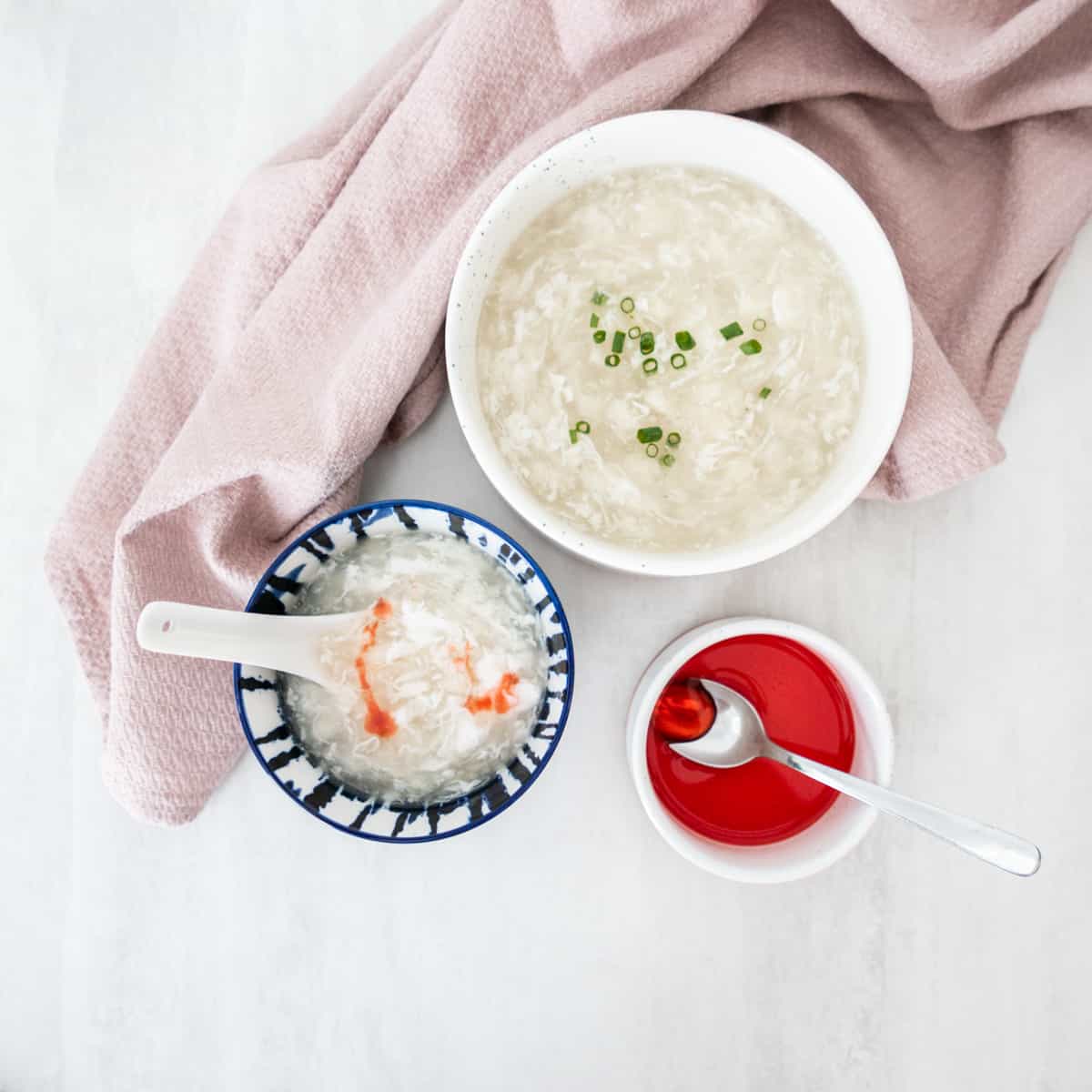
This fish maw soup with crab meat recipe delivers everything you love about dim sum and special occasion Chinese cooking - that signature creamy mouthfeel, delicate seafood sweetness, and beautiful egg ribbons - without requiring advanced culinary skills or hard-to-find equipment. My parents love to order this whenever we eat out.
Whether you're preparing a festive menu for Chinese New Year, wanting to recreate your favourite restaurant soup at home, or simply curious about cooking with fish maw for the first time, this comprehensive guide walks you through every step, from selecting the right ingredients to achieving that perfect silky texture.
In This Post: Everything You'll Need For Crab Meat Fish Maw Soup
Jump to:
- In This Post: Everything You'll Need For Crab Meat Fish Maw Soup
- How Fish Maw is Made
- What Does Fish Maw Taste Like?
- Fish Maw vs Hua Jiao: Understanding the Difference
- Where to Buy Fish Maw
- Why is Fish Maw So Expensive?
- Fish Maw Nutrition and Health Benefits
- Fish Maw vs Shark Fin vs Bird's Nest: Which Should You Choose?
- How to Store Fish Maw
- Types of Fish Maw for Soup
- The Magic of Synergy: Why This Trio Is Unstoppable
- Other Ingredients:
- Quick Grocery Shopping List
- Instructions - Step-by-Step Cooking Method
- Troubleshooting Common Issues
- Make-Ahead & Meal Prep Strategy
- Frequently Asked Questions (FAQs)
- Other Fish Soup and Seafood Recipes You'll Love
- More Seafood Inspiration
- What To Serve With Easy Fish Maw Soup Recipe With Crab Meat
- > Recipe
- Fish Maw Crab Soup Recipe (Easy 30-Min Chinese Collagen Soup)
What is Fish Maw? Your Complete Guide
Fish maw is the dried swim bladder of large fish species, prized in Chinese cuisine for its unique texture and impressive nutritional benefits. Also known as 魚肚 (yú dù) or 花膠 (huā jiāo) in Chinese, this ingredient has been a delicacy in Asian cooking for over 2,000 years, traditionally reserved for special occasions like weddings and Chinese New Year celebrations.
How Fish Maw is Made
The fish bladder is an internal gas-filled organ that helps fish control their buoyancy in water. After extraction from species like croaker, sturgeon, or conger pike, the swim bladders are thoroughly cleaned, then sun-dried or deep-fried until they achieve a light, crispy texture. This preservation process concentrates the proteins and creates the distinctive spongy quality that fish maw is famous for.
High-quality fish maw comes in different grades depending on the fish species and thickness. Premium varieties from larger, older fish command higher prices due to their richer collagen content and superior texture.
What Does Fish Maw Taste Like?
Fish maw itself is virtually tasteless and odorless when properly prepared. This neutral flavor profile is actually one of its greatest assets-it acts like a culinary sponge, beautifully absorbing the flavors of whatever broth or sauce it's cooked in. The real star is the texture: silky, gelatinous, and cloud-like with a pleasant chewiness that adds luxury to soups and braised dishes.
Fish Maw vs Hua Jiao: Understanding the Difference
You may see fish maw labeled as either 魚肚 (yú dù) or 花膠 (huā jiāo). While both refer to dried fish swim bladders, there's a subtle distinction:
- Yú dù (魚肚): Generally refers to thinner, more delicate fish maw pieces that puff up into light, airy sponges when rehydrated. This type is perfect for soups like this fish maw crab soup recipe, where a soft, cloud-like texture is desired.
- Huā jiāo (花膠): Typically indicates thicker, denser swim bladders from premium fish species. These varieties develop a firmer, more gel-like, jelly consistency and are commonly used in Traditional Chinese Medicine soups and double-boiled tonics for their concentrated collagen.
Both types offer excellent nutritional benefits, but for this crab meat soup recipe, the lighter yú dù variety creates that signature silky, velvety mouthfeel.
Where to Buy Fish Maw
You can find dried fish maw at:
- Chinese herbal medicine shops (often highest quality)
- Asian supermarkets (look in dried goods or seafood section)
- Online retailers like Amazon, Weee!, or specialty Chinese food websites
- Chinatown markets (best for seeing quality before buying)
When shopping, look for pieces that are light golden to pale yellow in color, dry to the touch, and free from any fishy odor. Avoid pieces that appear overly dark or have an oily sheen, as these may be lower quality or improperly stored.
Why is Fish Maw So Expensive?
Premium fish maw can cost anywhere from $30 to over $200 per pound, depending on the species and grade. The high price reflects several factors:
- Labor-intensive processing - Each swim bladder must be carefully extracted, cleaned, and dried
- Rarity - Only certain fish species produce suitable swim bladders, and larger, older fish are increasingly scarce
- Nutritional value - Exceptionally high in collagen (up to 80% protein content)
- Cultural significance - Considered a luxury ingredient with centuries of tradition
- Medicinal properties Valued in Traditional Chinese Medicine for promoting skin health and vitality
That said, you don't need to buy the most expensive grade for this soup recipe. Mid-range fish maw (around $40-60/lb) works beautifully and makes this dish more accessible for home cooking.
Fish Maw Nutrition and Health Benefits
Fish maw health benefits is beyond its luxurious texture; fish maw is a nutritional powerhouse:
- Rich in collagen - Supports skin elasticity, reduces fine lines, and promotes a youthful glow
- High protein content - Contains all essential amino acids with minimal fat
- Glycine-rich - Supports gut health, joint function, and quality sleep
- Easy to digest - Gentle on the digestive system despite being protein-dense
- Bioavailable nutrients - The drying process concentrates vitamins and minerals
In Traditional Chinese Medicine, fish maw is considered sweet and neutral in nature. It's believed to nourish yin energy, support kidney and liver health, and strengthen the body's vital essence (jing). Many Chinese women consume fish maw regularly for its renowned beauty and anti-aging benefits.
Fish Maw vs Shark Fin vs Bird's Nest: Which Should You Choose?
Wondering if fish maw is the same as shark fin or how it compares to bird's nest? Here's the honest breakdown.
Fish Maw vs Shark Fin: The Ethical Win
Is fish maw the same as shark fin? Absolutely not-and that's excellent news.
Why shark fin is problematic:
- Kills 73 million sharks annually (many species near extinction)
- Minimal nutritional value
- Often contains high mercury levels
- Fins are cut off, sharks thrown back to die
Why fish maw is the superior choice:
- Sustainable - Byproduct of fishing (otherwise discarded)
- Nutritious - Up to 80% protein, loaded with bioavailable collagen
- Ethical - No endangered species harmed
- Better value - Same luxury presentation, superior benefits
Even traditionalists now agree: fish maw vs shark fin isn't a competition. Fish maw wins on ethics, nutrition, and increasingly, prestige.
Fish Maw vs Bird's Nest: 90% of Benefits, 10% of Cost
Both are prized collagen-rich ingredients, but the differences are dramatic:
| Factor | Fish Maw | Bird's Nest |
|---|---|---|
| Price | $30-100/lb | $500-2,000/lb |
| Texture | Soft, gelatinous, cloud-like | Crunchy, chewy |
| Collagen | High gelatin content | Similar collagen levels |
| Availability | Easy (Asian markets, online) | Specialty stores only |
| Best for | Regular consumption | Special occasions |
Fish Maw for Glowing Skin
Why do Chinese actresses credit this soup for their complexion?
What fish maw collagen does:
- Boosts elasticity - That youthful bounce-back quality
- Retains hydration - Dewy, plump skin vs. dry, papery texture
- Speeds healing - Faster fading of acne scars and sun damage
- Evens tone - Reduces hyperpigmentation over time
This is why it's called a beauty soup-centuries of observation backed by nutritional science.
Joint Health and Mobility Support
The same collagen that helps your face also protects your joints.
How it works:
- Fish maw contains Type I collagen
- Your body uses this exact type for cartilage
- Provides raw materials to regenerate joint cushioning
- Reduces stiffness in knees, hips, and weight-bearing joints
The numbers: Studies show reduced joint pain after 3-6 months of regular collagen consumption. Participants reported improved mobility and less morning stiffness.
Beyond Beauty: Gut Health, Recovery & More
Gut healing benefits:
- Gelatin soothes digestive tract lining
- Repairs intestinal walls
- Reduces inflammation
Postpartum recovery:
- Easy-to-digest protein (10g per serving)
- Supports tissue healing after childbirth
- Traditional TCM recipe for new mothers
- May support lactation
Immune support:
- Glycine helps regulate inflammation
- Supports overall immune function
- Part of a healthy wellness routine
Real Talk: What Fish Maw Can't Do
Let's be honest:
- Not a magic anti-aging potion
- Won't transform you overnight
- Needs to be part of healthy lifestyle (sleep, hydration, sun protection)
- Works best with consistent weekly consumption
- Complements other collagen sources (bone broth, etc.)
The magic is in getting consistent, bioavailable collagen from quality food sources-and actually enjoying it enough to eat regularly.
How Often Should You Eat Fish Maw?
For glowing skin & anti-aging: Once weekly
For joint support: 2-3x weekly (active issues) or weekly (maintenance)
For general wellness: Monthly or seasonally
Cost breakdown: $40-60 per batch serves 4-6 people = ~$10 per serving. Less than fancy coffee, infinitely better for you.
| Goal | Frequency | Why |
|---|---|---|
| Anti-aging & skin | Weekly | Shows best visible results |
| Active joint issues | 2-3x per week | Addresses active problems |
| Joint maintenance | Weekly | Prevents future issues |
| General wellness | Monthly | Great if you eat other collagen sources |
The verdict: Your grandmother was right! Science just took a few centuries to explain why.
How to Store Fish Maw
Dried fish maw (before cooking):
- Store in an airtight container in a cool, dry place
- Keeps for 6-12 months when properly stored
- Avoid humidity, which can cause mold growth
- No refrigeration needed in dried form
Rehydrated fish maw (after soaking):
- Keep refrigerated in water for up to 3-5 days
- Change water daily to maintain freshness
- Can be frozen for up to 3 months (texture may slightly change)
Types of Fish Maw for Soup
Several varieties work well for this crab meat soup recipe:
- Fried Fish Maw (炸魚肚): Pre-puffed and ready to soak, light and airy texture-ideal for beginners
- Raw Fish Maw (生魚肚): Requires longer soaking but offers superior texture
- Fish Maw Tubes: Cylindrical pieces that hold their shape well in soup
- Fish Maw Pieces: Broken or smaller pieces, more affordable and perfect for soups
For this recipe, any variety will work beautifully. If you're new to cooking with fish maw, start with the fried variety for the easiest preparation and most foolproof results.
Why You'll Love This Fish Maw Crab Meat Soup
- Beauty-boosting collagen bomb - Loaded with skin-plumping collagen and protein that Chinese women have trusted for glowing complexions for centuries
- Restaurant elegance, home kitchen ease - Creates that luxurious silky texture and delicate sweetness in just 30 minutes without advanced skills
- Celebration-worthy but weeknight-doable - Perfect for Lunar New Year feasts or impressive dinner parties, yet simple enough for Tuesday night
- Clean, nourishing comfort - High protein (10g), low fat (1g), and naturally gluten-free with gut-healing collagen in every spoonful
- Impress-your-guests guaranteed - The stunning presentation, velvety mouthfeel, and authentic flavors make this your secret weapon recipe
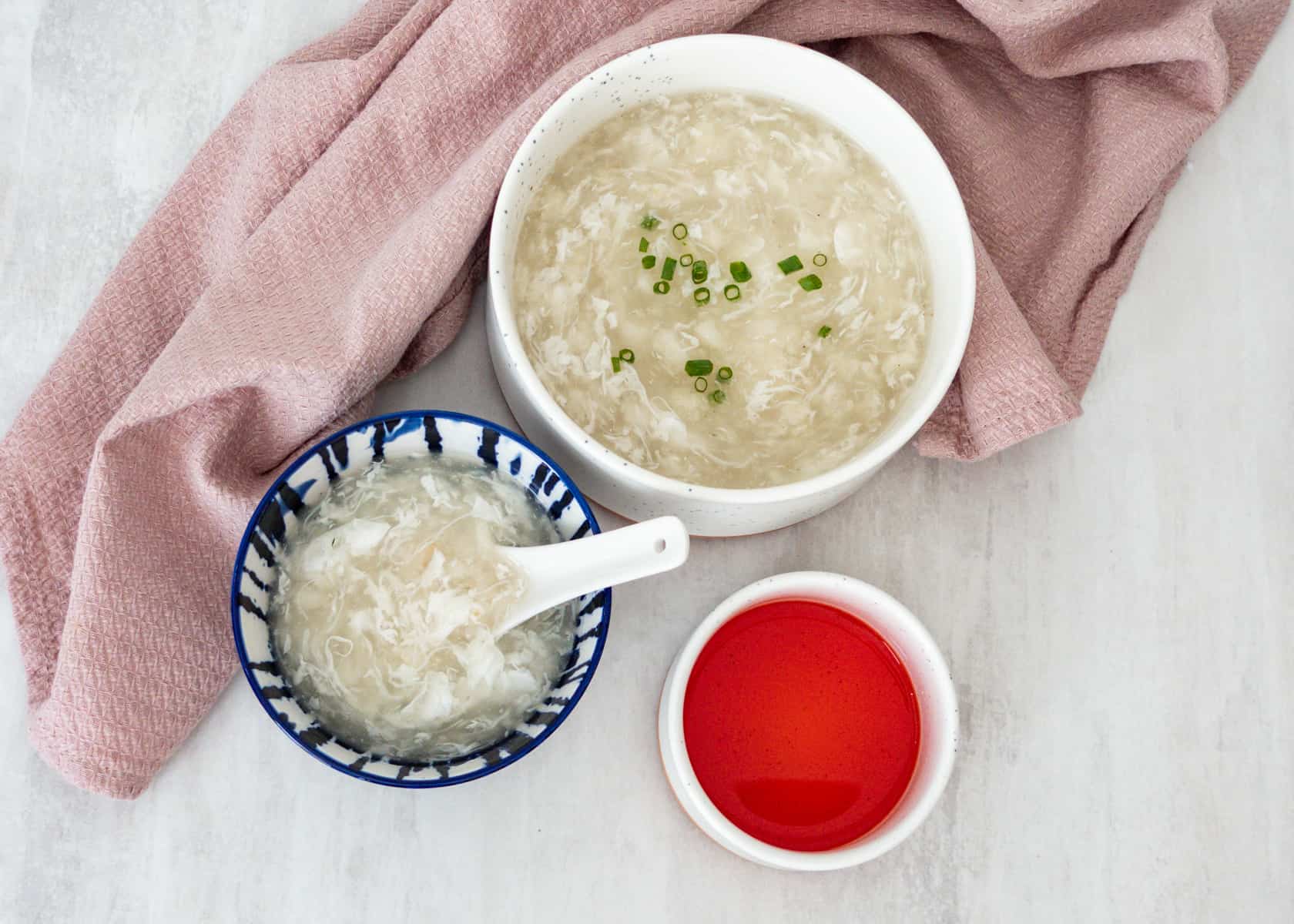
Why These Three Ingredients Work Together
There's genuine culinary wisdom behind fish maw crab meat soup, and why fish maw, crab meat, and dried scallops create such a luxurious, harmonious bowl. Chinese grandmothers have always known - this trio is pure magic together!
Fish Maw (魚肚, Yú Dù) - Fish maw is the star ingredient that transforms this from ordinary soup to extraordinary elixir. It is your collagen powerhouse and texture creator.
This dried swim bladder contains up to 80% protein, with collagen making up the majority of that impressive number. When properly rehydrated and simmered, fish maw's unique protein structure creates those cloud-like, gelatinous pieces that practically dissolve on your tongue while releasing collagen into the broth. This isn't just delicious - it's functional beauty food.
Unlike other protein sources that can become tough or rubbery when overcooked, fish maw becomes more tender and silky the longer it simmers. Its sponge-like structure absorbs every bit of flavour from the broth, the crab sweetness, and the umami from dried scallops, acting as a flavour vehicle that delivers maximum taste in every bite. The collagen breakdown during cooking is what gives this soup that signature glossy sheen and velvety mouthfeel that coats your lips - no cream or cornstarch needed for richness (though we do add cornstarch later for the perfect geng 羹 consistency).
Food science reveals why fish maw is so special: the collagen contains specific amino acids (glycine, proline, hydroxyproline) that support skin elasticity, joint health, and gut lining repair. When you heat collagen in liquid, it denatures into gelatin, which your body can actually absorb and utilize. This is why fish maw soup has been the secret weapon of Chinese actresses and beauty-conscious women for generations - you're literally eating the building blocks your skin needs!
In TCM terms, fish maw is "sweet and neutral" in nature, targeting the liver and kidney meridians. This means it nourishes Yin (the cooling, moistening aspect of the body), tonifies the kidneys (your body's vital essence storage), and supports jing (essence) - which governs growth, development, and longevity. Fish maw is particularly beneficial for dry skin, weak knees, lower back pain, and general fatigue. It's considered a premium tonic ingredient that builds rather than drains the body's resources.
Crab Meat (蟹肉, Xiè Ròu) - Fresh or canned crab meat is what elevates this soup from "healthy tonic" to "absolutely irresistible delicacy." Crab meat's natural sweetness is unlike any other protein - it's delicate, oceanic, and incredibly clean-tasting. Its sweet umami makes everything sing! This sweetness isn't sugary; it's the result of free amino acids (particularly glycine and alanine) that create that characteristic fresh-from-the-sea flavour without any fishiness.
Crab meat is also remarkably lean - it's almost pure protein with minimal fat, making it perfect for a light yet satisfying soup. The tender shreds of crab create textural contrast against the gelatinous fish maw, giving your mouth something to discover in every spoonful. Unlike fish or shrimp that can become rubbery when overcooked, crab meat stays tender and juicy when briefly simmered, releasing its sweet essence into the broth while maintaining its delicate texture.
Nutritionally, crab is a selenium powerhouse (one serving provides over 40% of your daily needs), which supports thyroid function and acts as a powerful antioxidant. It's also rich in vitamin B12, zinc, and omega-3 fatty acids - all crucial for brain health, immune function, and reducing inflammation. The combination of fish maw's collagen and crab's selenium creates a synergistic effect that supports healthy aging and cellular repair.
In Traditional Chinese Medicine, crab meat is considered "cold and salty" in nature, nourishing Yin and clearing heat. It targets the liver and kidney meridians, helping to cool inflammation, support detoxification, and nourish blood. This cooling property perfectly balances the neutral nature of fish maw, making the soup suitable even for people with warm constitutions or those dealing with inflammatory conditions. However, because crab is cooling, the addition of warming ginger slices is essential - it prevents the soup from being too cold for your digestive system while adding that zingy freshness that cuts through richness.
Dried Scallops (瑤柱, Yáo Zhù / 干貝, Gān Bèi) - Dried scallops are the secret weapon that makes this fish maw soup taste like you spent hours building complex flavour layers, when in reality, they do all the heavy lifting for you. Yaozhu has that umami foundation that ties everything together! These golden-brown discs are concentrated umami bombs - during the drying process, proteins break down into glutamic acid (the same compound in MSG, but completely natural), creating that deeply satisfying, savoury taste that makes your taste buds sit up and pay attention.
When simmered, dried scallops slowly shred apart into delicate threads that disperse throughout the broth, creating a base of oceanic sweetness that complements rather than competes with the fresh crab. They release natural inosinates (another umami compound) that synergize with the glutamates to create exponential flavour impact - this is why the soup tastes so incredibly "more" without being heavy or overwhelming. This umami backbone prevents the soup from tasting one-note or bland, which can happen with delicate ingredients like fish maw.
Beyond flavour, dried scallops are nutritional superstars. They're incredibly high in protein (over 60% by weight when dried), rich in taurine (supports heart and eye health), and packed with minerals like zinc, iron, and magnesium. The drying process concentrates all these nutrients, making dried scallops more nutritionally dense than fresh ones. They also contain glycogen, which gives the soup a subtle natural sweetness and a smooth, almost silky mouthfeel.
In TCM, dried scallops are "sweet and salty, slightly warm" in nature, nourishing the kidney and spleen meridians. They tonify Qi (vital energy), nourish Yin, and strengthen the essence. This makes them particularly beneficial for weakness, poor appetite, frequent urination, and overall vitality. The warming nature of dried scallops balances the cooling crab, while their Yin-nourishing properties complement the fish maw perfectly. Together, these three ingredients create a balanced tonic that nourishes without being too heating or too cooling - perfect harmony.
Jinhua Ham (金華火腿, Jīnhuá Huǒtuǐ) - Jinhua ham is the secret ingredient that separates homemade fish maw soup from the extraordinary versions served at high-end Chinese banquets. This premium dry-cured ham from Zhejiang Province is often called "China's prosciutto," but that comparison doesn't do it justice. It is your salty-sweet depth builder! Jinhua ham has been produced using traditional methods for over 1,200 years, and its complex, deeply savoury flavour profile is the result of months or even years of careful aging and fermentation.
What makes Jinhua ham absolutely magical in soup is its ability to build umami complexity in layers. Unlike dried scallops that provide oceanic umami, Jinhua ham delivers an entirely different dimension - a rich, nutty, slightly sweet meatiness that creates incredible depth without making the soup taste "porky" or heavy. Just a small piece (30-50g) releases concentrated glutamates, nucleotides, and over 18 different amino acids during simmering, creating what Chinese chefs call "鮮味" (xiān wèi) - the essence of deliciousness.
The curing and aging process breaks down proteins into free amino acids, which is why aged Jinhua ham is exponentially more flavourful than fresh ham. These amino acids don't just add taste - they actually enhance your perception of other flavours in the soup. This is why the crab tastes sweeter, the fish maw more luxurious, and the broth more complete when Jinhua ham is present. It's a flavour amplifier that makes everything else shine brighter.
From a textural standpoint, Jinhua ham becomes meltingly tender during the long simmer, though many cooks remove it before serving since it's primarily there for flavour extraction. The fat cap, if included, slowly renders into the broth, carrying fat-soluble flavour compounds and creating that gorgeous golden colour and glossy surface that indicates a truly well-made soup. This fat also helps your body absorb fat-soluble vitamins from the other ingredients.
Nutritionally, Jinhua ham is remarkably dense in B vitamins (especially B1, B6, and B12), zinc, selenium, and iron - all concentrated through the curing process. It's also high in L-carnitine, which supports energy metabolism and fat burning. While it is high in sodium due to curing, you only need a small amount in soup, and the salt helps extract and balance flavours from the other delicate ingredients. In fact, when using Jinhua ham, you may not need to add any additional salt to your soup at all - let the ham do the work.
In Traditional Chinese Medicine, Jinhua ham is considered "sweet and salty, warming" in nature, entering the spleen and kidney meridians. It tonifies Qi and blood, warms the middle burner (digestive system), and strengthens the kidney essence. This warming property is particularly important in this soup because it balances the cooling nature of crab and ensures the soup doesn't become too cold for your digestive fire. The Qi-tonifying properties of Jinhua ham work synergistically with dried scallops to build vital energy, while its blood-nourishing qualities complement the Yin-nourishing effects of fish maw and crab.
The combination of Jinhua ham with seafood ingredients is a classic pairing in Cantonese haute cuisine. The ham's earthy, land-based umami provides grounding depth that prevents the soup from tasting too "light" or one-dimensional, while the seafood keeps the ham from feeling heavy or greasy. It's the bridge ingredient that connects ocean to earth, creating a complete flavour universe in your bowl.
Pro tip: If you can't find authentic Jinhua ham, Spanish Serrano ham or Italian prosciutto can substitute in a pinch, though the flavour profile will be slightly different. Avoid using regular cooked ham or honey-baked ham - they won't provide the same complex, aged umami that makes this soup special. Look for Jinhua ham at Chinese specialty stores or online retailers - a small piece goes a long way and can be frozen for future soup-making adventures.

The Magic of Synergy: Why This Trio Is Unstoppable
Together, these three ingredients create something greater than the sum of their parts. The fish maw provides collagen-rich body and healing properties, the crab delivers clean sweetness and lean protein, and the dried scallops build an umami foundation that makes everything taste more complex and sophisticated.
From a flavour perspective, you've got three distinct taste profiles working in harmony: the neutral canvas of fish maw that absorbs everything, the bright oceanic sweetness of crab, and the deep, savoury umami of dried scallops. Adding aged Jinhua ham adds a nutty savouriness! The textures play off each other beautifully too - silky gelatinous fish maw, tender crab shreds, and the completely dissolved scallop threads in a glossy, velvety broth thickened just right with cornstarch slurry and enriched with egg ribbons.
Nutritionally, this combination is brilliant: you're getting high-quality protein from all three sources, bioavailable collagen and amino acids from fish maw, selenium and omega-3s from crab, and concentrated minerals and taurine from dried scallops. It's a complete protein profile with gut-healing properties, anti-inflammatory compounds, and beauty-boosting nutrients all in one bowl.
From a TCM perspective, the three ingredients create perfect balance: fish maw nourishes Yin and kidney essence, crab clears heat and nourishes liver Yin, and dried scallops tonify Qi and warm slightly to prevent excessive cold. Together they support multiple organ systems - liver, kidney, spleen - while building both Qi (energy) and Yin (moistening essence). This is why fish maw crab soup is traditionally served during recovery periods, postpartum healing, and to anyone needing deep nourishment without heavy, greasy foods. Jinhua ham strengthens spleen Qi while warming the middle burner.
It's why this elegant soup never feels boring or one-dimensional, even when you serve it multiple times during celebration season. Each spoonful delivers comfort, luxury, and that deeply satisfying feeling that you're truly nourishing your body with something special. This isn't just food - it's medicine that happens to taste absolutely incredible.
Most dry goods ingredients, tools, and supplies can be purchased at local Asian markets, Chinese grocery stores, or Amazon Online. Amazon Prime members receive free shipping and faster delivery times.
Other Ingredients:
Want to customize your fish maw crab soup or boost specific benefits? These optional add-ins work beautifully with the base recipe without overwhelming the delicate seafood harmony.
Shiitake Mushrooms (冬菇) - Dried shiitake mushrooms add another layer of umami complexity while contributing immune-supporting beta-glucans. Rehydrate them for 20 minutes, then slice and add both mushrooms and soaking liquid to your soup. The earthy notes complement the ocean flavours beautifully.
TCM benefit: Boosts Qi, supports immune function, tonifies stomach
White Pepper (白胡椒) - This isn't optional in my book! White pepper is essential for cutting any potential fishiness from the fish maw while adding warming properties that aid digestion. The gentle heat activates your digestive fire without overwhelming the delicate flavours.
TCM benefit: Warms the middle, dispels cold, aids digestion
Chinese Red Vinegar (大红浙醋) - Serve this on the side rather than in the soup. The tangy vinegar brightens every spoonful, cuts through the richness, and helps your body absorb the minerals from the seafood. It's traditional and makes a huge difference!
Food science: Acetic acid enhances mineral absorption
Ginger (薑) - Beyond being used for blanching fish maw, fresh ginger slices in the finished soup provide warming aromatics that balance the cooling nature of crab while aiding protein digestion.
TCM benefit: Warms the stomach, resolves seafood toxicity, harmonizes
Green Onions (蔥) - Both for cooking and as a fresh garnish, green onions add pungent notes that lift the soup and aid in moving Qi, preventing any stagnation from the rich ingredients.
TCM benefit: Releases exterior, moves Qi, complements seafood
Quick Grocery Shopping List
The soup is cozy and soothing, and the stock is fresh and sweet. All the ingredients are soft and tender.
If you are not in a rush, you can make a homemade broth base with chicken, pork bones, Jinhua Ham, dried flounder, dried scallops, beef shank, spring onion, etc. It only takes 3.5 hours to make a delicious savoury pot of stock!
Homemade stock can be stored in an airtight container for up to 5 days in the refrigerator.
A shortcut with chicken stock and a few pieces of dried scallops will also do the trick!
- Dried Fish Maw, resuscitated
- Dried Scallops, resuscitated
- Fresh Crab Claw Meat or Canned Crab Meat
- Corn Starch
- Chicken Broth or homemade stock
- Egg Whites
- Ground White Pepper
- Finely Chopped Green Onions for garnish
- Cold Water
- Fresh Ginger
- Shiitake Mushrooms, resuscitated (optional)
- Chinese red vinegar 大红浙醋 for serving
Similar Chinese Soup Recipes With Fish Maw
Silkie Chicken Cordyceps Soup with Fish Maw and Conch 蟲草花花膠响螺煲烏雞湯
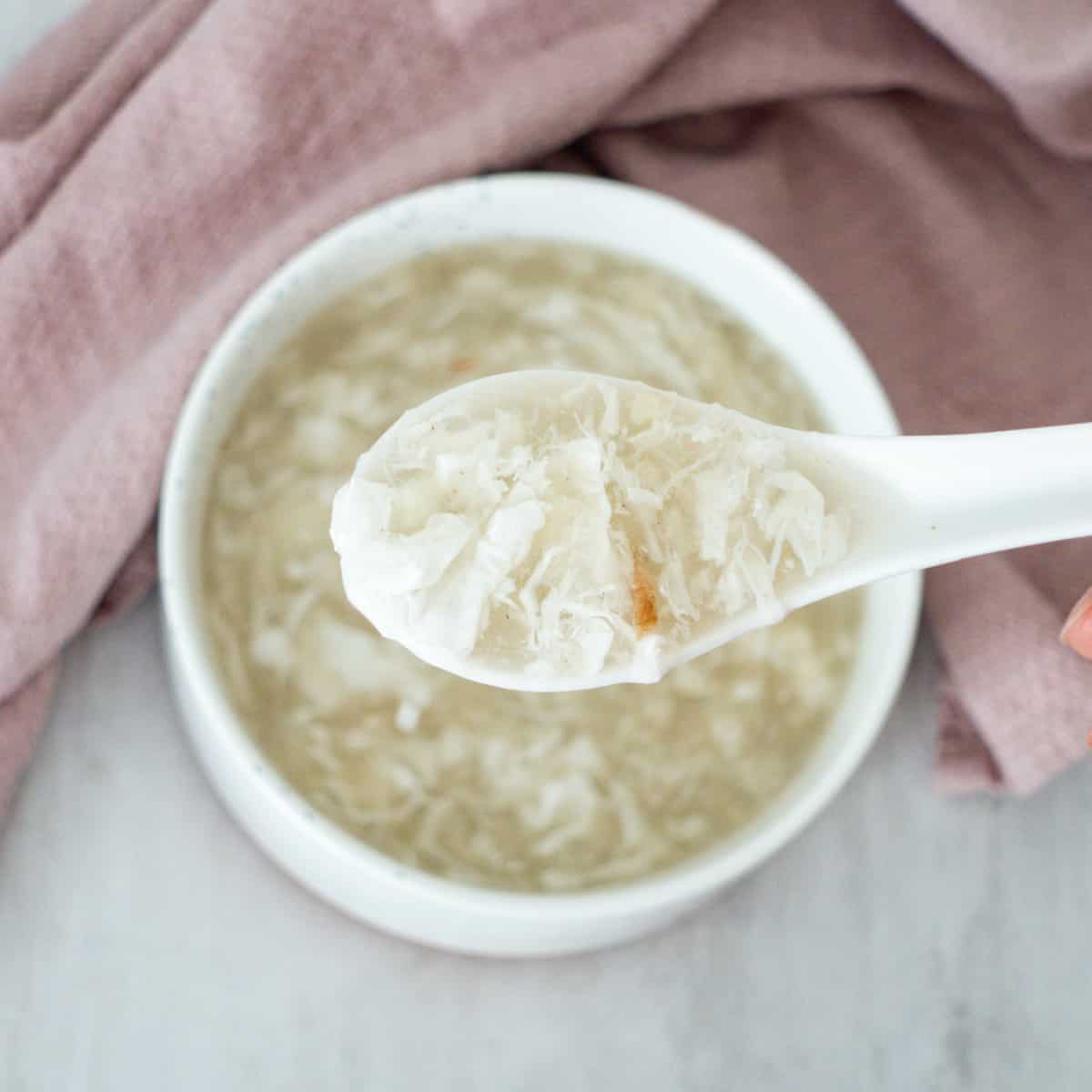
How To Make Fish Maw Soup With Crab Meat
This luxurious Chinese soup is surprisingly achievable at home once you understand the key techniques. The secret lies in proper fish maw preparation and controlling the soup's viscosity - that's when restaurant magic happens! Follow these detailed steps for silky-textured fish maw, sweet crab meat, and a glossy, velvety broth with beautiful egg ribbons.
The difference between a crystal-clear, restaurant-quality fish maw soup and a cloudy, fishy-tasting version comes down to technique. These steps honour traditional Cantonese geng (羹) cooking philosophy, which creates that signature thick, silky consistency without heaviness. The method removes any unpleasant odours from dried fish maw while building layers of umami from dried scallops and Jinhua ham, then finishing with a cornstarch thickener and delicate egg ribbons that transform the soup into an elegant masterpiece.
Follow this method sequence exactly for the best fish maw crab soup that tastes as luxurious as it looks and nourishes as deeply as it satisfies.
- Rehydrate Dried Fish Maw Overnight
- Parboil Fish Maw to Remove Fishiness
- Soak Dried Scallops Until Softened
- Build the Broth Foundation
- Add Proteins in the Correct Order
- Create Perfect Thickness with Cornstarch Slurry
- Master the Egg Ribbon Technique
- Season and Serve with Traditional Condiments
Instructions - Step-by-Step Cooking Method
Rehydrate Dried Fish Maw Overnight
Place dried fish maw pieces in a large bowl and cover completely with cold water-at least 2 inches above the fish maw since it will expand significantly. Cover the bowl and refrigerate for 8-12 hours or overnight. Thicker pieces may require up to 24 hours for full rehydration, so check after 8 hours and continue soaking if the center still feels hard or brittle.
During rehydration, the fish maw will transform from hard, crispy pieces into soft, spongy, cloud-like forms that have tripled in size. The cold water method is crucial because hot water causes the exterior to soften too quickly while leaving the interior hard, creating uneven texture. You'll know it's properly rehydrated when the fish maw feels uniformly soft throughout with no hard cores, and springs back gently when pressed.
If you plan to include dried shiitake mushrooms, learn how to rehydrate dried Chinese mushrooms.
Pro tip: Change the water once halfway through soaking (after 4-6 hours) to ensure the cleanest possible rehydration and remove any surface impurities released during the first soak.
What to avoid: Never soak dried fish maw in warm or hot water to "speed up" the process. This causes the proteins to denature unevenly, resulting in a rubbery texture that won't absorb flavors properly and can taste unpleasantly chewy even after long cooking.
Parboil Fish Maw to Remove Fishiness
This single step separates amateur fish maw soup from professional Chinese banquet quality. After the overnight soak, drain the rehydrated fish maw completely. Fill a medium pot with fresh water and bring to a rolling boil. Add 3-4 thick slices of fresh ginger (smashed with the side of a knife to release oils) and 4-5 stalks of green onions cut into 3-inch segments.
Once the water is boiling vigorously, add the soaked fish maw pieces and boil for exactly 2-3 minutes. You'll see some additional foam rise to the surface-this is residual impurities and the source of any "fishy" smell being drawn out by the aromatics. The ginger's pungent oils and the green onion's sulfur compounds chemically neutralize the trimethylamine compounds that cause fishiness in dried seafood.
After 2-3 minutes, drain immediately in a colander and rinse each piece under cold running water. At this point, the fish maw should smell clean and fresh with only a faint oceanic scent. Cut any large pieces into bite-sized chunks (about 2-inch pieces) so they're easy to eat with a spoon. The fish maw can be prepared up to this stage 2-3 days in advance and stored in an airtight container submerged in fresh water in the refrigerator.
Pro tip: Squeeze each piece gently after parboiling to remove excess water trapped in the spongy structure. This allows the fish maw to absorb maximum broth flavor during the final cooking.
Critical: Don't skip the parboiling step even if you're using "pre-cleaned" fish maw. This process is essential for removing the characteristic swim bladder smell that would ruin your soup's delicate flavour profile.
Soak Dried Scallops Until Softened
Unlike fish maw, dried scallops don't require overnight soaking-their smaller size and less dense structure soften within 20-30 minutes. Place your dried scallops (干贝 or 瑶柱) in a small bowl and cover with warm (not hot) water. Let them sit at room temperature until they feel tender when pressed, about 20-30 minutes.
The soaking water will turn golden and aromatic as the scallops release their umami compounds-this liquid is concentrated flavor gold. Don't discard it! You'll add this soaking liquid directly to your soup pot. The scallops will naturally shred into tender threads during the simmering process, disappearing into the broth while leaving behind incredible depth and that characteristic ocean sweetness.
If you're using Jinhua ham, there's no soaking required. Simply wipe the surface with a damp cloth to remove any salt crystals, then add the whole piece (30-50g) directly to the pot. The ham will infuse its nutty, savoury complexity throughout the cooking process.
Pro tip: For maximum umami extraction, gently tear the softened dried scallops in half with your fingers before adding to the pot. This exposes more surface area and allows faster flavor release.
Build the Broth Foundation
Choose a large pot (at least 4-quart capacity) with a heavy bottom for even heat distribution-this prevents scorching and ensures gentle, consistent simmering. Add 1 liter (4 cups) of chicken broth or homemade stock to the pot, along with 500ml (2 cups) of water. The combination of broth and water creates the perfect balance-pure broth would be too rich and mask the delicate seafood flavours, while pure water would lack body.
Add 2-3 thick slices of fresh ginger (smashed) to the liquid. The ginger serves multiple purposes: it balances the cooling nature of crab meat in TCM terms, aids in seafood digestion, and provides a subtle warmth that complements without overpowering. Now add your dried scallops along with their golden soaking liquid, and nestle in the Jinhua ham piece if using.
Bring the pot to a boil over medium-high heat, then immediately reduce to a gentle simmer. You want small, lazy bubbles breaking the surface-not a rolling boil. This gentle simmer is crucial for extracting flavours without making the broth cloudy or causing the proteins to toughen. Let this base simmer for 10-15 minutes to build your flavor foundation before adding the fish maw and crab.
Traditional wisdom: In Cantonese cooking, we say "武火煮開,文火慢煲" (high heat to boil, gentle heat to simmer). This technique ensures maximum flavour extraction while maintaining clarity and preventing protein breakdown that creates murky, chalky broth.
Add Proteins in the Correct Order
Timing is everything when adding fish maw and crab to prevent overcooking. After your broth base has simmered for 10-15 minutes, add the prepared (soaked and parboiled) fish maw pieces to the pot. The fish maw needs 5-7 minutes of gentle simmering to fully absorb the broth's flavors and release its collagen into the liquid, creating that signature glossy, velvety mouthfeel.
During this time, the soup will begin to develop a subtle sheen on the surface-this is the collagen from the fish maw emulsifying into the broth, a visual indicator that you're achieving the correct texture. Stir occasionally and very gently; you don't want to break apart the tender fish maw pieces.
After the fish maw has simmered for 5-7 minutes, add your crab meat (fresh or canned, drained). If using fresh crab, add it now. If using canned crab meat, you can add it in the last 2-3 minutes to prevent it from becoming stringy or tough. Stir gently to distribute the crab throughout the soup. Add ½ teaspoon of ground white pepper at this stage-white pepper is essential in Cantonese seafood soups as it cuts through any residual fishiness while adding a gentle, warming heat that doesn't overpower delicate flavors.
If you're including optional shiitake mushrooms, add the rehydrated, sliced mushrooms along with the fish maw. Their umami compounds will meld with the dried scallops for even more depth.
Pro tip: Resist the urge to add the crab meat too early. Crab is lean and delicate-it only needs 2-3 minutes of gentle heat to warm through. Overcooking makes it rubbery and diminishes its sweet flavour.
Create Perfect Thickness with Cornstarch Slurry
The hallmark of authentic geng (羹) style Chinese soup is its slightly thick, velvety consistency that coats the back of a spoon without being gluey or heavy. This is achieved through cornstarch slurry (also called "water starch" or 生粉水 in Chinese cooking), which must be added at precisely the right moment using the correct technique.
In a small bowl, mix 3 tablespoons of cornstarch with 4 tablespoons of cold water, stirring until completely smooth with no lumps. The mixture should be milky white and pourable-not paste-like. Once your soup is at a gentle boil and all proteins have been added, reduce heat to medium so the soup is at a steady simmer.
Now, slowly drizzle the cornstarch slurry into the soup in a thin stream while stirring constantly in one direction with your other hand. Never dump it all at once, or you'll create clumps! Pour slowly, stir continuously, and watch the soup transform before your eyes. It will thicken gradually and develop a beautiful glossy sheen within 1-2 minutes.
The soup should coat a spoon lightly but still flow easily-think of the consistency of thin cream or melted ice cream. If it's too thin after adding all the slurry, mix another tablespoon of cornstarch with 2 tablespoons of cold water and add gradually. If it becomes too thick, simply add a splash of hot water or broth to thin it out.
Critical Pro Tip: The cornstarch must be mixed with cold water, never hot. Cold water allows the starch granules to disperse evenly, while hot water causes instant gelatinization and creates irreversible lumps. Always stir the slurry immediately before adding, as cornstarch settles to the bottom within seconds.
Pro tip: For a more refined texture, some chefs pass the cornstarch slurry through a fine-mesh strainer before adding to the soup. This extra step guarantees zero lumps and the silkiest possible consistency.
Egg Ribbon Technique
The delicate egg ribbons floating in fish maw soup aren't just beautiful - they add richness and protein while creating textural interest in every spoonful. But achieving those wispy, silky ribbons (not clumpy scrambled eggs) requires proper technique and gentle heat.
Separate 3 eggs, reserving only the whites in a bowl (save yolks for another use or add one yolk if you want a richer colour). Beat the egg whites with chopsticks or a fork for about 30 seconds until slightly frothy and uniform, but not stiff (you're not making meringue). The slight foam helps the eggs disperse better.
Ensure your soup is at a gentle simmer, not a rolling boil. If it's boiling too vigorously, reduce the heat and wait 30 seconds for it to calm down. Hold the bowl of beaten egg whites in one hand about 6-8 inches above the soup surface. Using chopsticks, slowly drizzle the egg whites into the soup in a thin stream while simultaneously stirring the soup gently in one direction (clockwise or counterclockwise, just stay consistent) with your other hand.
The motion should be slow and controlled-imagine you're drawing delicate ribbons or creating flower petals in the soup. As the egg whites hit the hot liquid, they'll instantly cook and form those gorgeous, wispy strands. Continue until all the egg whites are incorporated. Let the soup simmer undisturbed for 30 seconds to allow the egg ribbons to set completely.
The secret - Temperature and motion control. Too hot = clumpy eggs. Too vigorous stirring = shredded eggs. The ideal technique creates beautiful, intact ribbons that look like white flowers floating in golden broth.
Pro tip - For even more dramatic ribbons, some chefs pour the egg whites through a slotted spoon or fork held above the soup, creating multiple thin streams simultaneously. This advanced technique requires practice but creates stunning visual presentation.
Season and Serve with Traditional Condiments
Taste your soup and add salt only if needed-remember that the dried scallops, Jinhua ham, and chicken broth already contribute significant saltiness. Start with just a small pinch (⅛ teaspoon) and taste before adding more. The goal is to enhance, not overpower, the natural sweetness of the crab and the oceanic flavours of the fish maw.
Ladle the soup into individual serving bowls, ensuring each portion contains fish maw pieces, crab meat, and beautiful egg ribbons. Garnish each bowl with finely chopped fresh green onions and cilantro for a pop of color and fresh aromatic notes.
Serve immediately while piping hot, accompanied by small dishes of condiments:
Ground white pepper - Essential! Guests can add extra to suit their preference. The warming spice enhances digestion and cuts through richness.
Chinese red vinegar (大红浙醋) - This is traditional and transformative. A few drops of tangy red vinegar brightens each spoonful, balances the richness, and helps your body absorb the minerals from the seafood. Don't skip this!
Fresh ginger slices - Some diners enjoy nibbling on fresh ginger between spoonfuls to cleanse the palate and warm the stomach.
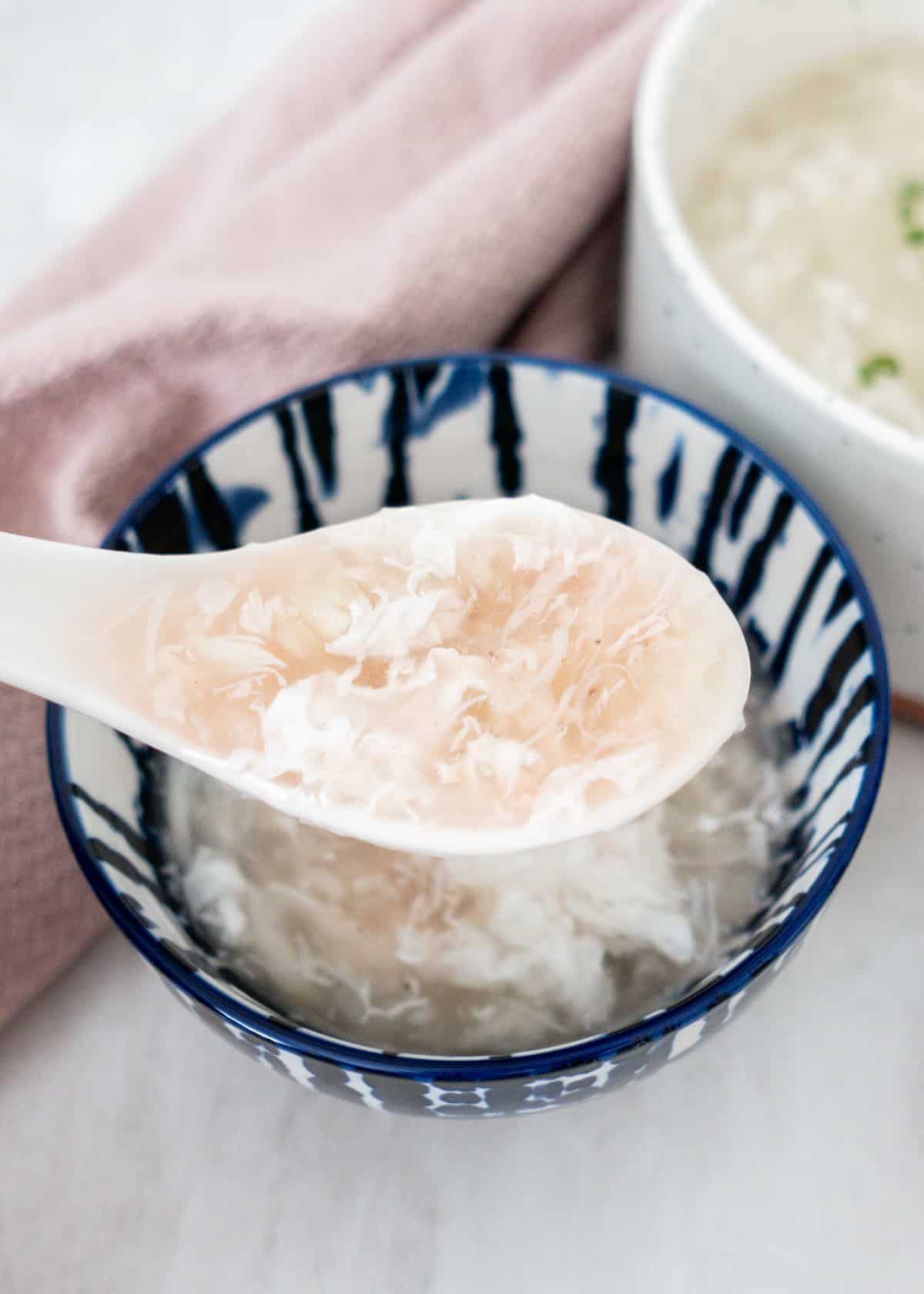
The soup should be glossy, aromatic, and have a silky consistency that's neither too thick nor too thin. Each spoonful should deliver tender, flavor-soaked fish maw, sweet crab meat, and delicate egg ribbons in a rich, umami-packed broth.
Serving Pro Tips - In Chinese culture, fish maw soup is considered deeply nourishing and restorative. It's best enjoyed slowly, savouring each spoonful mindfully to appreciate the layers of flavour and texture. This isn't meant to be rushed-it's comfort, medicine, and celebration in a bowl.
Storage Pro Tips - Leftover soup can be stored in an airtight container in the refrigerator for up to 3 days. The soup will thicken considerably when cold due to the cornstarch and gelatin from fish maw. Reheat gently over low heat, adding a splash of water or broth to return it to the proper consistency. The flavours actually deepen and improve overnight, making leftovers a treat!
Troubleshooting Common Issues
- Soup is too thin - Mix 1 tablespoon cornstarch with 2 tablespoons cold water and add gradually while stirring. Simmer for 1-2 minutes to activate the starch.
- Soup is too thick - Simply add hot water or chicken broth, ¼ cup at a time, until you reach desired consistency.
- Fish maw still smells fishy - This means the parboiling step wasn't done properly. Boil fresh water with lots of ginger and green onions, re-blanch the fish maw for 2-3 minutes, and rinse well.
- Egg whites clumped - The soup was boiling too hard, or you poured too quickly. Next time, reduce heat to gentle simmer and drizzle slowly while stirring constantly.
- Soup is cloudy - This happens if you skipped parboiling the fish maw or boiled the soup too vigorously. Always maintain a gentle simmer after the initial boil.
- Lacking flavour - The broth base needs more time or more umami ingredients. Next time, add an extra dried scallop or simmer the base longer before adding proteins. Don't forget the Jinhua ham-it adds irreplaceable depth!
Make-Ahead & Meal Prep Strategy
- 2-3 days before - Rehydrate and parboil fish maw. Store submerged in fresh water in the refrigerator.
- 1 day before - Make the entire soup without adding egg whites. Cool completely and refrigerate. The flavors will deepen beautifully overnight.
- Day of serving - Reheat soup gently, adjust consistency if needed, then add fresh beaten egg whites using the ribbon technique. Garnish and serve immediately.
This make-ahead approach is perfect for entertaining-all the work is done in advance, and you only need 10 minutes for the dramatic egg ribbon finale!
Frequently Asked Questions (FAQs)
People Also Ask About Fish Maw Crab Meat Soup - Here are the most common questions I get about making this traditional Chinese soup:
Yes, fish maw is exceptionally nutritious, containing up to 80% protein with high levels of collagen that supports skin elasticity, joint health, and gut lining repair. In Traditional Chinese Medicine, it's valued for nourishing yin, supporting kidney health, and promoting overall vitality with minimal fat content.
Fish maw is virtually tasteless and odorless on its own, which is actually its greatest strength-it acts like a culinary sponge that absorbs all the flavors from the broth, crab, and aromatics. The appeal is in its unique texture: soft, gelatinous, cloud-like, and silky smooth.
Dried fish maw requires overnight soaking in cold water for 8-12 hours, with thicker pieces potentially needing up to 24 hours to fully rehydrate. After soaking, you must parboil it with ginger and green onions for 2-3 minutes to remove any fishy odor before using in your soup.
Absolutely! Canned lump crab meat works perfectly in this recipe and actually saves considerable time and money without sacrificing flavor. Just drain it well and add it during the last few minutes of cooking to prevent it from becoming tough.
The soup should have a silky, slightly thick consistency from the cornstarch slurry - add it gradually while stirring until you reach your desired viscosity. If it's still too thin, mix another tablespoon of cornstarch with 2 tablespoons of cold water and add slowly while the soup is gently boiling.
Quality fish maw ranges from $30-80 per pound for standard grades, with premium varieties reaching $100-200+ per pound. While it seems pricey, you only need 200g (about 7 ounces) for a pot serving 4-6 people, and the collagen and protein content make it worthwhile for special occasions.
Yes, you can prepare fish maw soup up to 2 days in advance and store it in an airtight container in the refrigerator. The flavors actually deepen and improve overnight, though you may need to add a splash of water or broth when reheating as the soup thickens when cold.
For a similar gelatinous texture, try fish skin or pork skin, though neither will provide the same collagen benefits or delicate mouthfeel. For the collagen content specifically, focus on making a rich bone broth base, though it won't replicate the unique cloud-like texture that makes fish maw special.
The key is proper parboiling: after soaking overnight, boil the rehydrated fish maw in water with fresh ginger slices and green onion for 2-3 minutes, then drain and rinse. This step removes any residual odour, and adding white pepper to the finished soup further neutralizes any fishiness.
Yes, fish maw soup freezes reasonably well for up to 3 months in airtight containers, though the fish maw texture may become slightly softer after thawing. For best results, slightly undercook the fish maw if you plan to freeze, and add fresh egg ribbons when reheating rather than freezing them in the soup.
Jinhua ham adds incredible umami depth and complexity that elevates the soup from good to restaurant-quality, providing earthy, nutty notes that balance the delicate seafood flavors. While optional, just 30-50g of this aged ham creates layers of savory richness without making the soup taste heavy or overly porky.
Beat the egg whites until slightly frothy, then slowly drizzle them into gently simmering (not rapidly boiling) soup while stirring in one direction with chopsticks or a fork. The key is slow pouring and gentle stirring-if the soup is too hot or you pour too fast, the eggs will clump instead of forming delicate, silky ribbons.
Fish maw is the dried swim bladder of large fish such as croaker or sturgeon. It's prized in Chinese cuisine for its soft, spongy texture and high collagen content. Once rehydrated, fish maw becomes silky and tender - perfect for luxurious soups like Fish Maw Crab Meat Soup.
Fish maw is naturally rich in collagen, protein, and essential amino acids, making it a top ingredient in traditional Chinese beauty and wellness cooking. Regularly consuming fish maw may help support skin elasticity, joint health, and tissue repair, while being low in fat and cholesterol. It's often recommended for postpartum recovery and nourishing the body after illness.
To prepare dried fish maw, soak it in cold water overnight or until fully softened. Then, blanch it briefly in boiling water with a slice of ginger and a splash of Shaoxing wine to remove any fishy smell. Once tender, it's ready to be sliced and added to soups or stews. For convenience, you can also buy pre-soaked or ready-to-cook fish maw at Asian supermarkets.
You can find fish maw at Chinese herbal shops, Asian grocery stores, or online specialty retailers. Look for premium dried fish maw that is light in colour, has a mild ocean aroma, and feels firm but not brittle. Higher-grade varieties are often sold by weight and may come from deep-sea species with denser collagen.
Fish maw and shark fin are both classic delicacies in Chinese banquets, but they differ in texture, nutrition, and sustainability. Fish maw is the ethical, collagen-rich alternative - soft, nourishing, and sustainable - while shark fin has a firmer texture but is now discouraged due to environmental and ethical concerns. Most modern chefs prefer fish maw for its health benefits and eco-friendly profile.
Other Fish Soup and Seafood Recipes You'll Love
If you enjoyed making this collagen-rich fish maw crab meat soup, explore our collection of easy fish recipes that range from quick weeknight seafood dinners to impressive Chinese fish dishes perfect for special occasions. Each recipe delivers authentic flavor with simple techniques that guarantee delicious results.
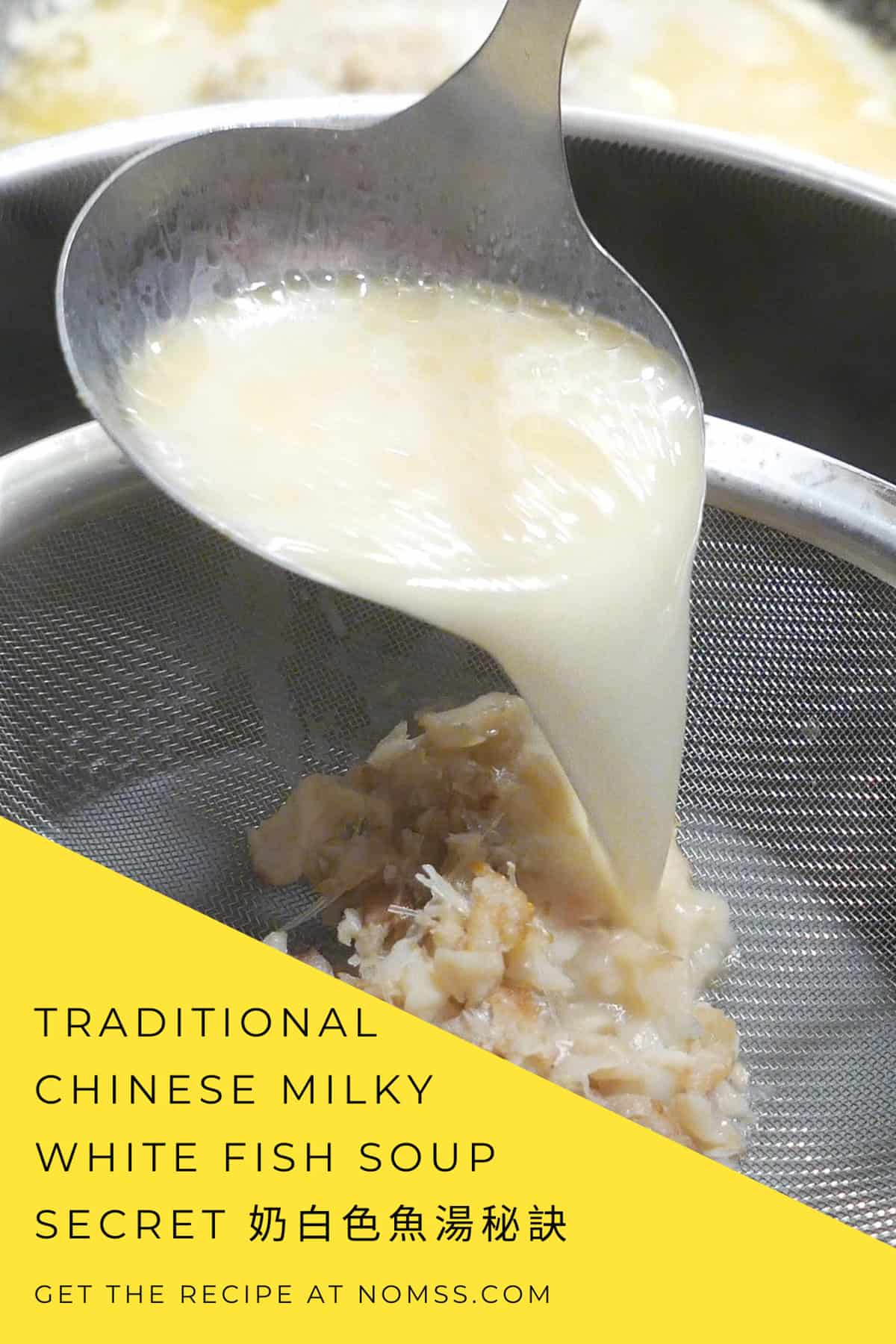
Traditional Chinese Milky White Fish Soup 魚湯秘訣 - Learn the secret to making naturally creamy fish soup without any dairy! This authentic Chinese fish soup features fresh white fish in a milky-white broth that's achieved through traditional pan-frying and rapid boiling techniques. High in protein and perfect for postpartum recovery, this easy fish soup recipe is ready in 30 minutes and loved by the whole family.
Chinese Fish Paste Stuffed Peppers 煎讓三寶 - These crispy pan-fried stuffed peppers filled with bouncy fish paste are a dim sum classic! Learn how to make this popular Hong Kong street food at home using store-bought dace fish paste or fresh shrimp paste. A delicious Chinese fish recipe that's naturally gluten-free and perfect for meal prep.
Hong Kong Curry Fish Balls 港式咖哩魚蛋 (街頭小食) - Bring Hong Kong street food flavour home with these iconic curry fish balls! This easy fish ball recipe features a bold, aromatic curry sauce that's completely unique to Hong Kong cuisine. Ready in 20 minutes and perfect as an appetizer or snack with rice.
Ahi Tuna Ceviche with Fresh Cilantro and Mangoes - This fresh tuna ceviche recipe requires no cooking-just marinate sushi-grade ahi tuna in lime juice! The bright, tropical flavors of mango, cilantro, and jalapeño make this healthy fish recipe perfect for summer entertaining. Gluten-free, dairy-free, and ready in 40 minutes.
Air Fryer Miso Glazed Halibut (Easy) - Make restaurant-quality miso fish at home in your air fryer! This easy halibut recipe features a sweet-savoury miso glaze and stays perfectly moist inside. A healthy fish recipe that's keto-friendly, high-protein, and ready in under 15 minutes.
Bitter Melon Black Bean Fried Dace Fish 豆豉鲮鱼炒苦瓜 - This traditional Cantonese stir-fry uses canned fried dace fish for convenience! The quick fish recipe pairs bitter melon with fermented black beans for an umami-rich vegetable side dish. Ready in under 10 minutes-perfect for busy weeknight cooking.
Steamed Minced Pork with Salted Fish 鹹魚蒸肉餅 - This classic Cantonese comfort food combines tender steamed pork with intensely flavorful salted fish. A traditional Chinese fish recipe that's healthier than frying and makes plain rice absolutely irresistible. Perfect for authentic home-style cooking.
More Seafood Inspiration
Looking for even more ways to enjoy seafood? Check out these favorites:
- Dried Scallops and Egg White Fried Rice 瑤柱蛋白炒飯 - Luxurious fried rice that pairs perfectly with fish maw soup
- Microwave Black Cod with Black Bean Sauce - Yes, restaurant-quality fish in the microwave!
- Scallop Carpaccio - Elegant raw scallop appetizer with citrus
What To Serve With Easy Fish Maw Soup Recipe With Crab Meat
Fish Maw and Crab Meat soup is an excellent menu item for Lunar New Year and any celebratory feasts!
The best way to enjoy a scrumptious New Year's Eve reunion dinner is by feasting in abundance and symbolic ingredients:
- Instant Pot Braised Chinese Mushroom 髮菜炆冬菇
- Steamed Money Bag Dumplings 年菜平安金福袋
- Vegan Tofu Stir Fry 五彩金銀滿屋豆乾小炒王
- Hokkigai (Ginger and Scallion Cold Appetizer) 薑蔥北極貝冷盤
- Salt Baked Chicken 鹽焗雞
- Red Bean Soup 紅豆沙
- Osmanthus Flower Jelly with Goji Berry 桂花糕
Fresh Crab Meat and Fish Maw Soup recipe are a classic Chinese that is easy to make at home that you can nail even the first time cooking it!
It can be made with just a few simple ingredients. This soup is packed with natural sweetness, lean protein and collagen.
I guarantee that this will become one of your favourite therapeutic soups!
For easy, fall comfort soup recipes and busy one-pot meals for family dinners that are healthy, subscribe to our newsletter and never miss a wellness post!
I'd love to see how you went with my recipes! Leave a comment below or tag me on Instagram @INSTANOMSS #INSTANOMSS.
> Recipe
PrintFish Maw Crab Soup Recipe (Easy 30-Min Chinese Collagen Soup)

蟹肉魚肚羹 (鱼膘羹) Fish Maw Crab Meat Soup is an easy and delicious collagen, and lean protein-rich Chinese recipe often served during Lunar New Year and special occasions. Its silky and creamy mouthfeel is irresistible. It is a densely nutritious, easy recipe that can be made with a few simple ingredients. This authentic Fish Maw Crab Meat Soup features tender fish maw (swim bladder) and sweet crab meat in a silky, collagen-rich broth. A traditional Cantonese soup is often served during Chinese New Year and special celebrations. This easy recipe requires overnight soaking but only 30 minutes of active cooking time.
- Prep Time: 20
- Cook Time: 10
- Total Time: 30 minutes
- Yield: 4-6 persons 1x
- Category: Soup
- Method: Boil
- Cuisine: Chinese
- Diet: Low Calorie
Ingredients
- 200g Dried Fish Maw, resuscitated, cut into smaller pieces
- 200g Crab Leg Meat or Canned Crab Meat
- 4 Large Dried Scallop, soak in water until softened
- 4 Large Dried Shiitake Mushroom, resuscitated, julienned (optional)
- 1L Chicken Broth or homemade stock
- 500ml water
- 2 Slices of Fresh Ginger
- 3 Egg Whites
- ½ tsp Ground White Pepper and more for serving
- Salt to taste
- 4 Stalks of Green Onions, cut in half
- Finely Chopped Green Onions for garnish
- Fresh Cilantro for garnish
- Chinese red vinegar 大红浙醋 for serving
Corn Starch Slurry
- 3 tbsp Corn Starch
- 4 tbsp Water
Instructions
Resuscitate Dry Fish Maw and Chinese Mushrooms
- Soak the fish maw in water overnight in cold water.
- Parboil in hot water with green onions and ginger slices to remove impurities and fishiness.
- Dice large pieces of fish maw into smaller pieces.
- Set aside in the refrigerator.
- This can be prepared ahead of time.
- If you plan to include dried shiitake mushrooms, learn how to rehydrate dried Chinese mushrooms.
Fish Maw Crab Meat Soup
- Dried scallops do not need to be resuscitated overnight, unlike dry fish maw or dried Chinese mushrooms. Soak the dried scallops in water until softened before cooking.
- And chicken broth, water and ginger slices in a large stock pot over medium-high heat.
- Add rehydrated and parboiled fish maw.
- Add crab meat to the pot of water. Mix well.
- Add white ground pepper to the pot to remove any fishy smell from the fish maw.
- Once the fish maw and crab soup starts boiling, slowly add cornstarch water to the pot. Mix well until it thickens and reaches the desired viscosity.
- Add beaten egg whites to the soup slowly to create beautiful egg ribbons, fluffy swirls and flower-like patterns.
- Add a pinch of salt to taste.
- Serve in a large bowl along with a side of extra ground white pepper and Chinese red vinegar (大红浙醋), and a few slices of ginger.


Nutrition
- Serving Size: 1 pot
- Calories: 84
- Sugar: 2.3 g
- Sodium: 2163.6 mg
- Fat: 1 g
- Carbohydrates: 8.7 g
- Fiber: 1 g
- Protein: 10.1 g
- Cholesterol: 17.5 mg

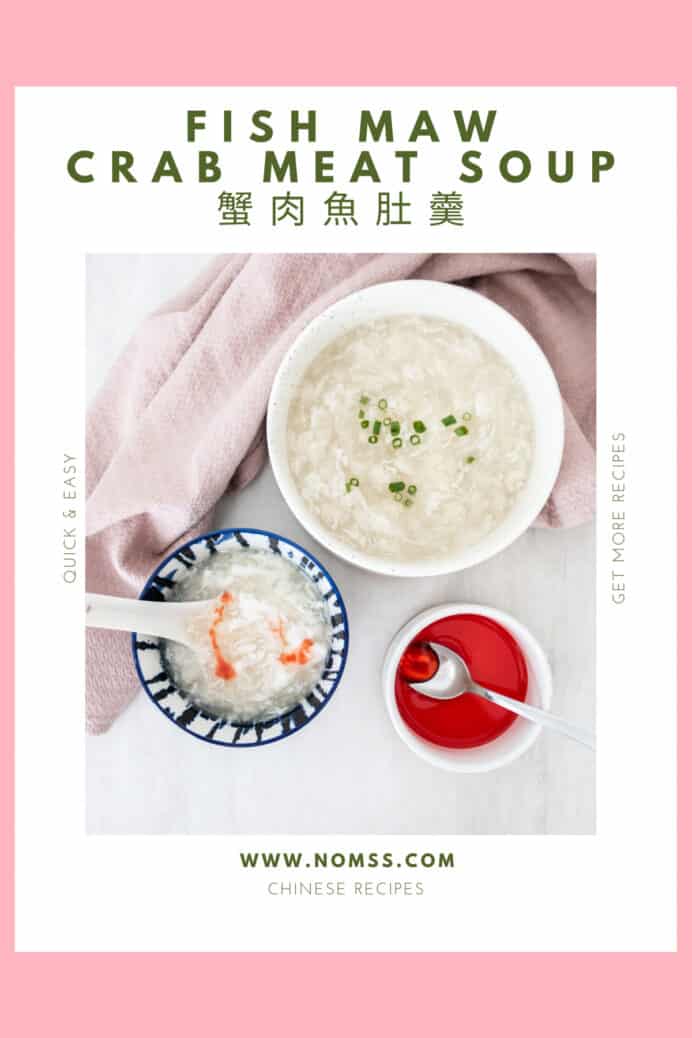
Pin the above image to your Chinese TCM Recipe Pinterest Board to bookmark this page. We are so excited to share our recipes with you!
More Chinese Recipes
Chinese Steamed Chicken With Shiitake Mushroom 冬菇蒸雞
Air Fryer BBQ Pork Char Siu 氣炸鍋蜜汁叉燒
Red Bean Soup (Instant Pot) 蓮子百合紅豆沙






Julia says
How long does fish need to be parboiled?
Nancy says
just a minutes or two will do.
andrea says
this soup turned out absolutely incredible! so delicious and flavorful!
Mina says
This soup is just flavorful and filling. Perfect comfort food, I'd reckon.
Jerika says
I love this Fish Maw Crab Meat Soup it has simple ingredients but it's so delicious. Thank you!:)
Nicole NK says
I just got all the ingredients and can’t wait to make it!
Swathi says
Fish Maw Crab looks delicious. Perfect for any rainy day.
Helen at the Lazy Gastronome says
wonderfully delicious soup!
Andréa Janssen says
Sounds like a delicious recipe!
Amy Liu Dong says
Wow! This is such a great-looking soup! It looks absolutely delicious! I totally love it!
Devi Dang says
Hi, there’s no mentioning of when you should add the dried (rehydrated) scallops? Thanks
Jo Keohane says
Love your recipes, will be giving this a try!
Nancy says
Thanks Jo! Happy to have you on board!
Kushigalu says
Delicious soup recipe to try. Thanks for sharing.
Nancy says
Enjoy this festive soup!
justin says
Made fried rice and this with it and kids loved it too!
Nancy says
I'm so happy to hear even the kids loved it!
Lima Ekram says
The flavor was outstanding! The whole family loved it!
Nancy says
That's awesome!
Joyce says
Made this for our Lunar new year celebration and my mom and dad loved it! Thanks so much for sharing this recipe!
Nancy says
I'm so happy to hear that your parents enjoyed it! It's so nourishing too!
Tayler says
I made this soup for dinner last night and it was delicious! My family loves crab, so we will definitely be making it again.
Nancy says
Woohoo!! i'm so happy to hear everyone loved it! I just love buying extra crab to make soup and to steam with gingers and scallions too!
Elizabeth says
Love trying new food! Thanks for giving us insight on the cultural background of this soup. 🙂
Nancy says
Happy Chinese New Year!
Giangi Townsend says
So delicious! Thank you for your recipe.
Nancy says
You are so welcome Giangi!
Andréa Janssen says
Such a delicious recipe. Thank you for sharing.
Nancy says
make this and celebrate with us!
Audrey says
Yum I love crab meat!
Nancy says
super sweet and delicious!
Liz says
SO creamy, flavorful and delicious! This was a great addition to our dinner on a chilly night!!!
Nancy says
That silky texture is no joke delicious!
Helen at the Lazy Gastronome says
Oh my. Crab soup. So good and elegant!
Nancy says
thank you so much Helen!
Vanessa says
I loved learning about this soup! What a delicious and nourishing way to start the New Year!
Nancy says
Happy New Year! This fish maw is always requested at our family dinners!
Marie-Pierre Breton says
My skin is so dry these days, glad to hear this soup can help out! Plus, love to learn about new ingredients, I'm definitely going to check the Chinese market for those tiny air bladders. Thanks!
Nancy says
Thanks Marie - Always good to nourish and bring that glow from within!
Tiffany says
Thank you, Nancy! Do you have a recipe to make the soup base (stock) from scratch?
Nancy says
I do, Let me post it soon! Do come back for it!
Tiffany says
Will do! 🙂
Nancy says
hi five!
Kristen says
Nancy, this sounds so interesting and so delicious. I LOVE trying new things, so I'm going to give this a shot. I'm hoping my local Asian Market will carry everything I need, any suggestions on the best place to buy ingredients?
Nancy says
Hi Kristen! I think your local Asian market should carry everything! if not your local chinese herbalist will !
Stine Mari says
This crab meat soup is a little different from all the other soups on my dinner rotation, but it looks exciting and absolutely delightful!
Nancy says
You're family will love it!
Ksenia @ At the Immigrant's Table says
pure comfort soup!
Nancy says
I'm totally with you here!
Andréa Janssen says
Looks like a delicious recipe for sure! Thank you for sharing!
Nancy says
Enjoy this cozy soup!
Evi says
Nancy we loved this recipe! The flavor was outstanding, and I can't wait to make it again.
Nancy says
THanks Evi! I'm so happy to hear that you love it!
Jere Cassidy says
This soup looks so creamy and comforting. You always have some amazing recipes and explain what the ingredients are, many I am not familiar with. I love reading about other food culture.
Nancy says
Thanks Jere! I hope this helps you recreate this zero fail recipe!
Katie says
Such a perfect comforting soup for fall/winter! Love all the wholesome ingredients!
Nancy says
I love soup season!
Natalie says
Ful of collagen, proteins, healthy and delicious soup. It is hard to find all that in one recipe. You amazed me again Nancy, thanks!
Nancy says
Thanks Natalie! I hope you enjoy this wellness soup!
Ieva says
I remember trying a version of this soup in a lovely Chinese Restaurant in Singapore and absolutely loving it! I will definitely have to arrange a trip to our International Foods shop for the ingredients! Cannot wait to make it!
Nancy says
Now you won't have to travel to enjoy this soup again!
Amanda Wren-Grimwood says
So light and refreshing, I love the combination of seafood and mushrooms - gorgeous recipe!
Nancy says
THanks Amanda! I'm so glad you love the flavour combination!
Gabby says
We are a five minute walk from a fish market and I rarely go. This gave me a good reason to - and my husband absolutely loved this recipe. I definitely don't make him enough seafood meals but he really enjoyed this.
Nancy says
Omgoodness! i'm jealous you are so close to a good fish market!
Farah says
Love crab meat soup and the ginger and green onions sound so flavorful. Can't wait to try this out!
Nancy says
Thanks Farah! You will love it - send pictures!
MacKenzie says
This looks amazing. Love all the nutrition packed into one bowl.
Nancy says
enjoy the glowing complexition!
Shelby says
I love the texture of this, comes out so creamy!
Nancy says
It's totally the collagen that gives it that nice creamy mouthfeel!
Gina Abernathy says
Crab is so good and tasty. My daughter is a seafood nut, so this was perfect for her dinner.
Nancy says
I love seafood a lot too myself! I'm sure she will LOVE this!
sonal says
I was literally drooling while scrolling through the instructions. This soup sounds so comforting and delicious.
Nancy says
Enjoy Sonal! You will love it!
Bernice says
I've seen soup on menus when we go out but I didn't know what it was! It does look delicious and I really love it when a food is not only tasty but has a special texture. You are also right in saying that it is always worth it to make your own stock! Good food takes time.
Nancy says
Bernice! Now you can not only order this at restaurants but also make it yourself! Send pictures!
Kim says
This looks like such an interesting soup recipe! And it looks healthy, too. Lots of protein. I can't wait to try it!
Nancy says
Enjoy this classic recipe Kim!
Stephanie says
I love crab meat so I'm sure I would love this soup too! I can't wait to try it. I really enjoy replicating authentic Chinese dishes at home. That way I can make sure there are lots of leftovers!
Nancy says
I love making this at home so i can pack in the extra crab meat!! I love a good bowl with lots of seafood!